
We may earn money or products from the companies mentioned in this post. As an Amazon Associate, I earn from qualifying purchases.
Earlier this year, Sarah and I spent a week together visiting Seville and Malaga, Spain. It was a wonderful last-minute trip to Europe for just the two of us, and it really helped us better understand these two beautiful Spanish cities!
We spent three nights in Seville at the end of January, which turned out to be a great time to visit. It was less crowded and much cooler than it would be in the summer, and we could explore the city at a pretty relaxed pace.
There are plenty of fun things to do in Seville, ranging from seeing a stunning royal palace to climbing the bell tower at Seville Cathedral, watching a Flamenco show, and even walking out onto the floor of the city’s historic bullfighting arena.
In this post, I want to share highlights from our time in Seville and offer tips we learned along the way. We personally visited all of these places and took all of the photos (and videos on social media) ourselves.

What to Know About Visiting Seville, Spain
Seville blends romantic old-world beauty with modern energy. From the gorgeous architecture of its buildings to its legendary Flamenco dance, and through its food, wine, and hospitality, Seville’s culture is welcoming, mysterious, and proud.
We found Seville to be the perfect place to spend a few days over the winter, when southern Spain is actually quite temperate! There are plenty of interesting, rewarding attractions and activities, but it is also the kind of city where you want to leave yourself time to wander, stop for tapas and drinks, and enjoy the atmosphere.
We spent three nights in Seville, which was perfect for us. Even though it was a short visit, we packed in so much and saw all the most popular places in Seville, like the Real Alcázar.
Like many places in Europe, we found food and drinks in Seville to be very reasonable compared to what we are used to paying in the United States, which made stopping for tapas and drinks throughout the day even more enjoyable.


Traveling to Seville and Malaga Together
These three days in Seville were part of an almost weeklong trip to Europe. We booked it last minute after our initial TradeWinds sailing trip had to be rescheduled. We flew in and out of London on points, staying there for the first couple of nights before heading to Spain.
We traveled first to Seville and then to Malaga, a coastal city with a completely different feel.
Pairing these two cities together in one Spain itinerary is very convenient because a train connects them, making the trip easier and less expensive than flying or renting a car. So, we were able to fly from London to Seville, take the train to Malaga, and then fly from Malaga back to London.
We wanted to take advantage of a great flight deal to London, but also visit somewhere warmer for part of the trip! It was easy to take the train from Sevilla-Santa Justa station to Málaga María Zambrano station, and it was a great experience.
Depending on the train you choose, the trip takes roughly 2 to 3 hours. Ticket prices vary depending on how far in advance you book and which train you choose. We always like to use TrainLine to book our train tickets when we travel internationally.
If you have about a week to spend in southern Spain, I think spending three or so days in each city makes for a really nice Europe trip.



Where We Stayed in Seville
During our three nights in Seville, we stayed at a small boutique hotel named Gravina 51, and it was perfect for us. It is a Mr & Mrs Smith property that Sarah booked through Hyatt. The hotel is in the heart of the city and a short walk from major attractions, plus plenty of shops, bars, restaurants, and cafes.
That location made our time in Seville very easy because we could walk almost everywhere we wanted to go!
For your first visit to Seville, I recommend booking lodging somewhere in or very close to the Old Town, or Casco Antiguo, for maximum walkability.
Gravina 51 itself is beautiful. It has a pretty indoor courtyard filled with lush plants and a friendly staff that made us feel welcome from the moment we stepped through the door. They even gave us champagne when we checked in!
For this trip, it was exactly the type of hotel we wanted: small, charming, centrally located, and convenient to everything we wanted to see.
Click here to browse rooms at Gravina 51 in Seville, Spain!


5 Fun Things to Do in Seville, Spain
Next, I want to share five of our favorite things to do in Seville. We were able to easily fit all of these into a three-night stay with plenty of time to stroll around, grab tapas, and drink our favorite Spanish wines!
I am also including some details about purchasing tickets because that was one of the things we learned along the way.
Since we visited during the January off-season, we could be fairly spontaneous. During the busier spring and fall travel seasons, same-day tickets can be much harder to secure, so I would book the major attractions in advance whenever possible.
But even if you can’t plan ahead, we almost always can find last-minute tickets and tours on GetYourGuide. We use it on almost every single trip we take!

#1 See the Real Alcázar
The Real Alcázar of Seville is probably the most popular tourist attraction in Seville, and it was one of the highlights of our trip.
The Real Alcázar is a mind-blowing place filled with ornately designed spaces, sunlit courtyards, reflecting pools, and walls carved with intricate patterns. It is a masterpiece of Mudéjar architecture, a unique blend of Arabic and Christian influences.
Sarah and I really enjoyed walking through this magnificent palace. The level of detailed ornamentation is breathtaking, and every wall, ceiling, arch, and pillar seems to be covered in tile, geometric designs, or fine artistry.
We also loved seeing another place where one of our favorite shows, Game of Thrones, was filmed. Parts of the Real Alcázar were used as the Water Gardens of Dorne.
RELATED POST: Taking a Game of Thrones Tour in Dubrovnik, Croatia


Real Alcázar History
The history of the Real Alcázar is just as interesting as its architecture!
The Alcázar started as a 10th-century Islamic fortress, but when Christian kings conquered Seville in 1248, they didn’t destroy it. Instead, they admired the Islamic design and later hired Muslim artisans to help expand and decorate the palace.
Christopher Columbus walked these halls to report back after his voyages, and Ferdinand Magellan planned his expedition to circumnavigate the globe here.
The Real Alcázar is also still a living royal palace. The upper floors are the official residence of the Spanish Royal Family when they visit Seville.


A giant garden is attached to the Real Alcázar. These gardens are beautiful, perfectly manicured, and as grandiose as the buildings. They’re filled with pools, fountains, and other features. They cover a massive 7 hectares (17.3 acres), making the grounds more than twice the size of the palace buildings.
The gardens are included with the main ticket. However, while we were there, the Real Alcázar gardens were unfortunately closed, so we missed out on seeing this incredible place. It was a slightly rainy and overcast day, as you can see in our photos, so I assume it was due to the weather and wet grounds.
Plan to spend about an hour or two touring the Real Alcázar palace buildings and at least another hour exploring the gardens if they are open during your visit.


Buying Real Alcázar Tickets
During peak seasons, general entry tickets can sell out two to four weeks in advance. If you don’t buy online, you will face a walk-up queue that routinely can take hours just to buy a ticket, with no guarantee your preferred time slot will be available.
Since we were visiting during the off-season, we didn’t buy tickets in advance. That said, when we arrived at the Real Alcázar, there was already a moderately long line at the entrance, filled with visitors who had timed-entry tickets
We initially tried to buy tickets through the official website on our phones, but we found the site cumbersome and hard to use while we stood there.
We walked around to the other side of the building and found a ticket window a short walk away, but the line was very long.
Ultimately, Sarah pulled up GetYourGuide on her phone, and we bought our Real Alcázar tickets quickly and easily.
TIP: Bring your ID. When buying tickets online, you may need to enter your passport or identification number at checkout. Bring that same ID because you may be asked to show it at the entrance.
#2 Catch a Flamenco Show in Seville
On our last night in Seville, Sarah and I attended a short Flamenco show before dinner. It was a great way to spend our final evening in Seville!
Flamenco is a beloved music and dance form closely tied to Spanish culture. Seville is one of the historic centers of Flamenco, and its passionate blend of guitar, singing, rhythm, and dance is a beautiful reminder of the city’s heritage.
We loved the show, and I definitely recommend taking the time and spending the money to see one while you are in Seville.
It is completely different from simply watching Flamenco on a screen. Even though we didn’t understand the words being sung, the music and performance still left us feeling a powerful mix of emotions.
It was one of our favorite experiences of the trip and the perfect evening activity!
GetYourGuide offers a range of Flamenco show options throughout Seville, from intimate performances to larger productions.
The exact Seville flamenco show we saw was: Teatro Flamenco Sevilla: Live the Flamenco Experience. You can check availability in the GetYourGuide widget below. I also included another popular Seville flamenco show so that you have more time/date options.
We do have one additional tip! We bought the premium tickets (row 2-5) so our flamenco show ticket included a drink, but we found out after arriving that you had to order and consume it in the foyer before the show started. No drinks were served during the actual performance.
So if your ticket includes a drink, arrive early enough to enjoy it!
Also note that photography and videography were not allowed during our performance. Once the lights went down, the room was dark, and the entire audience could focus on the music and dancing without dozens of phones in the air.
Don’t worry about filming this one. Put your phone away and enjoy the experience!
#3 Visit Seville Cathedral and Tomb of Christopher Columbus
Located right across the square from the Alcázar, the Seville Cathedral is another must-see attraction in Seville.
Built primarily between 1402 and 1506, the Seville Cathedral is filled with beautiful spaces, elaborate architecture, chapels, artwork, and historical treasures. It is the world’s largest Gothic cathedral, and its sheer size is impressive.
It is also the burial site of (most of) Christopher Columbus. Turns out that his remains are located in multiple places, but this is the official tomb of Christoper Columbus.
His large bronze-and-stone tomb was one of the highlights for us and, understandably, one of the most popular places inside the cathedral for photos.


Seville Cathedral also houses an impressive collection of historical treasures, including gold and silver crowns, crosses, jewelry, and priceless religious artifacts.
This was probably my favorite thing to do in Seville!
Another highlight is climbing La Giralda, the cathedral’s famous bell tower. Rather than climbing a long series of narrow stairs, much of the way up consists of 35 sloping ramps leading toward the viewing platform at the top.
The ramps were originally designed so riders on horseback could make their way up the tower, which makes the experience even more interesting. Sarah and I climbed to the top and really enjoyed the view of Seville from above.
In my opinion, Seville Cathedral is absolutely a must-see attraction. Plan to spend about two to three hours here if you want to explore the cathedral, use the audio guide, and climb La Giralda.


Buying Seville Cathedral Tickets
Because we visited during the off-season, we could easily buy tickets at the cathedral entrance. They are also available online.
We bought our Seville Cathedral tickets through GetYourGuide, which included admission to the cathedral, access to climb La Giralda, and a self-guided audio tour.
During the busy season, I would recommend booking tickets at least several days in advance rather than counting on being able to walk up and purchase them.
TIP: Get the self-guided audio tour. If you buy only the basic entry ticket, it is an extra 5€. Some tickets include the audio guide, but either way, we highly recommend using the Seville Cathedral audio guide. It provided useful context without overwhelming us with too much information.
It includes a small audio device that hangs around our necks. As we walked to various numbered stops throughout the cathedral, we could select the corresponding number and hear information about what we were seeing, its history, and other interesting facts.
You can also opt for a guided tour of the Seville Cathedral, which we always find engaging!
#4 Tour Seville’s Historic Bullring and Museum
One of our favorite things to do in Seville, and probably one of the biggest surprises of the trip, was touring Seville’s historic bullring. The full name is Plaza de Toros de la Real Maestranza de Caballería de Sevilla, and the property includes both the bullring and a small museum.
This is an interesting way to learn about Spain’s history and culture through one of its oldest and most controversial traditions. The museum is small but well-designed and includes a variety of artwork, historic costumes, photographs, and artifacts connected to bullfighting.
Regardless of how you personally feel about bullfighting today, it has played a significant role in Spanish history and culture, and we found the museum fascinating.


One of the most interesting parts of the tour is walking through some of the same spaces traditionally used by the matadors. You can enter the small chapel where matadors would stop just before entering the arena.
After seeing the chapel, you follow their path and walk out onto the dirt floor of the bullring itself. Standing there really puts the size of the arena into perspective and gives you a much better understanding of what the experience would have been like.
We bought our tickets at the entrance. Our ticket included a self-guided audio tour, and we really enjoyed it. It did a great job explaining what we were seeing and helped us put ourselves in the matadors’ shoes as they prepared to enter the ring.
However, it is a guided audio tour that you access from your own device, so I recommend bringing headphones with you so that you can enjoy it without disturbing others. Many people did not and played theirs aloud, resulting in a lot of excess background noise, in many different languages, as you explored each area.
GetYourGuide also offers guided tours of the bullring and museum. This wasn’t necessarily an attraction we expected to enjoy as much as we did, but I’m very glad we included it.

#5 Cross the Triana Bridge and Explore the Triana Neighborhood
I recommend crossing the Triana Bridge on the west side of Seville’s Old Town and spending some time exploring the Triana neighborhood.
The bridge spans the Guadalquivir River and takes you from Casco Antiguo into a charming neighborhood that feels noticeably different from the busiest tourist areas around the Alcázar and cathedral.
It is only about a 10-minute walk from the heart of Seville. Once you cross the bridge, head toward Calle San Jacinto. This area has lots of nice shops, restaurants, cafes, and beautiful churches, along with great views back toward the city.
It felt a little more local and less touristy, and Sarah and I really enjoyed wandering around without much of a plan. We spent a couple of hours sightseeing and having drinks in Triana before walking to the nearby bullfighting museum that I mentioned above.
It was a nice way to see another side of Seville and get away from the busiest sightseeing areas for a while.
How Many Days Do You Need in Seville?
For a first visit, I think three to four days in Seville is a great amount of time. The three nights we spend there was perfect for us.
We had enough time to visit the Real Alcázar, Seville Cathedral, the bullring, and Triana, see a Flamenco performance, and still have time to enjoy tapas, drinks, and simply wander through the city.
Could you see the major highlights of Seville in two days? Probably.
But I think you would miss some of what makes this city so enjoyable: simply wandering around.
There are beautiful streets, small plazas, restaurants, cafes, and interesting places everywhere, and some of our favorite moments came when we weren’t necessarily headed to a major attraction.



Seville’s Orange Trees
Another little thing we loved about Seville was seeing orange trees everywhere. Tens of thousands line the streets and plazas throughout the city.
When we visited in January, the trees were full of fruit, and the bright orange color contrasted beautifully with the stonework and warm earth tones of the Andalusian capital.
They were actually overflowing, with oranges dropping to the ground right before our eyes. We often saw city crews collecting the oranges while we were there.
But don’t be fooled by how good they look.
These aren’t the sweet oranges you would normally buy to eat. Seville’s ornamental oranges are famously bitter and are generally harvested for other uses rather than eaten directly from the tree.
Still, the orange trees were one of those small details that made Seville feel especially beautiful and unique.


Is Seville Worth Visiting?
Absolutely!
Sarah and I loved visiting Seville, and we especially enjoyed it in January, when the crowds and heat were much lower.
The city is vibrant, beautiful, and filled with history.
You can feel its old traditions mixing with modern life in a way that not every European city can offer. You can spend the morning touring a centuries-old royal palace, have tapas and drinks in the afternoon, and watch a traditional Flamenco performance that evening.
There are enough fun things to do in Seville to keep you busy for several days, and the city is compact and walkable enough that it never felt overwhelming.
Seville is a great addition to a Spain vacation itinerary and a fantastic destination for couples or families. And its proximity to other cities like Malaga also makes Seville easy to include in a longer trip through southern Spain.
We already know we missed things, including the Real Alcázar gardens, so we have a good reason to go back!

More Spain, Portugal, and Europe Travel Inspiration
This was actually Sarah’s and my second trip to Spain in less than a year. The previous summer, we visited Barcelona and spent a couple of days in Sitges, a beautiful coastal town just outside the city.
After visiting Seville and Malaga on this trip, we’ve now experienced several very different parts of Spain, and there is still so much more we want to see!
If you’re planning a trip to Spain, you may also want to check out some of our other first-hand experiences and Spain travel guides.
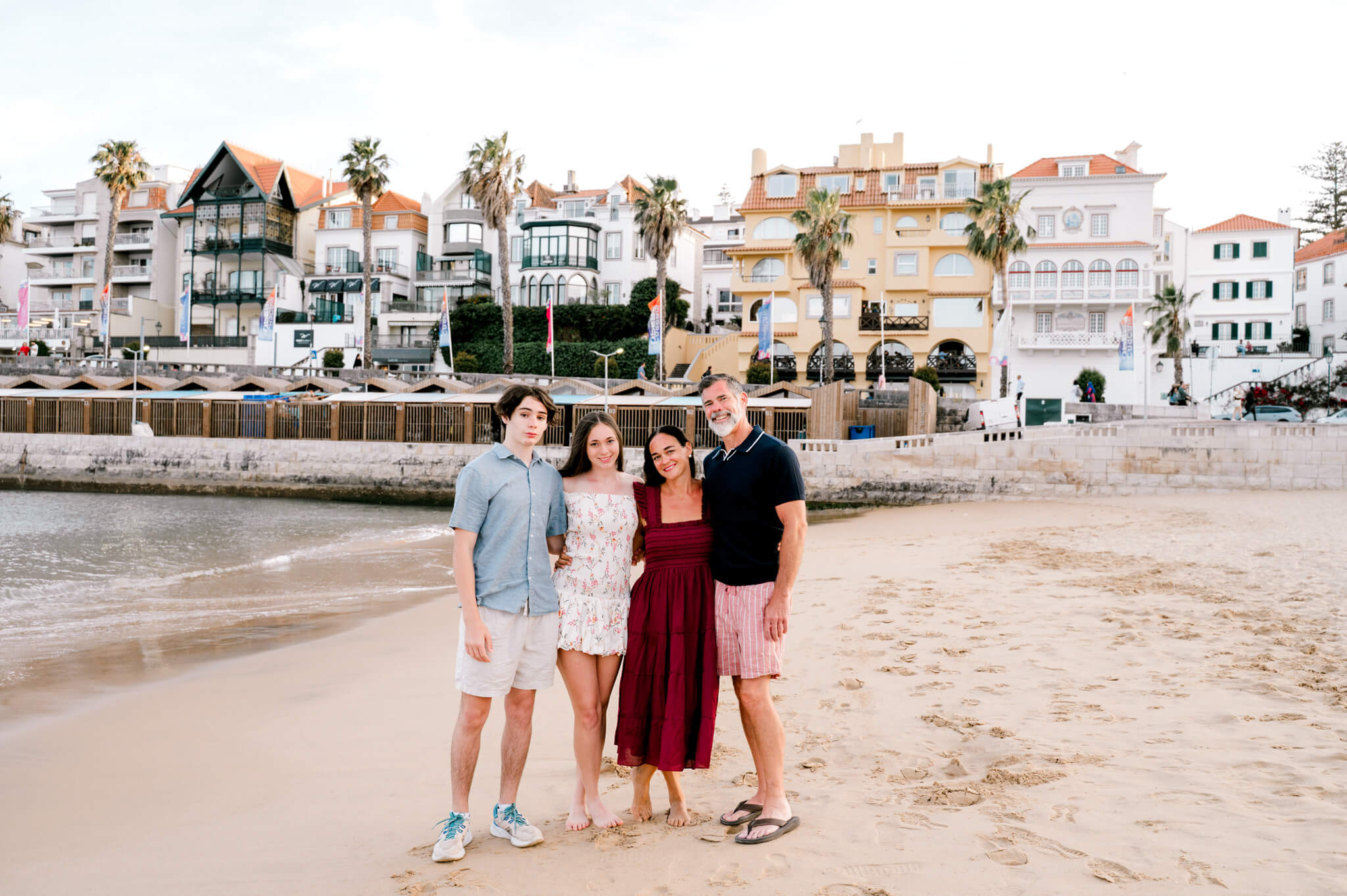
We’ve also spent quite a bit of time exploring neighboring Portugal, making it easy to combine destinations in both countries for a longer trip around the Iberian Peninsula. Our Portugal travel guides include Porto, Lisbon, Cascais, Sintra, Lagos, the Algarve, and more.
We also offer a complete 16-day Portugal Itinerary that includes arrival at Faro Airport, which isn’t too far from Seville and Malaga. If you’re planning to combine those and drive during your trip, you may also want to read about our experience getting an International Driving Permit before traveling in Europe.
If your travels take you beyond Spain and Portugal, we have plenty more firsthand travel guides from destinations throughout Europe. View all of our Europe travel blog posts for more inspiration!
And follow along on social media to see where we are heading next!

Pin These Fun Things to Do in Seville for Later



Is a separate ticket needed for the Real Alcazar gardens or is it included with the ticket? Thanks!
Yes, it is included with the regular admission ticket!