We may earn money or products from the companies mentioned in this post. As an Amazon Associate, I earn from qualifying purchases.
Last Updated on July 1, 2026 by Sarah
Sant’Antioco sits in the southwest corner of Sardinia and is Italy’s fourth-largest island. It’s a lesser-known part of Sardinia, where life moves at a slower pace. Many travelers say they want hidden gems in Italy, yet still end up in a major city, and take day trips to other tourist hotspots.
Well, Sant’Antioco is neither of those. Locals often call it the “best island of the best island”. It’s a place that truly feels like authentic Italy. From the moment you arrive, breathe in the fresh salt air, and sip a glass of local Carignano wine, grown in the sand for thousands of years, you will feel at home and grounded in a place that has seen so much over its lifetime.
That said, like most off-the-beaten-path destinations in Italy, it’s important to do some advance research and planning to make sure that the destination is a good fit for you! So, today, I want to share some of the top things to do on Sant’Antioco. That way, you can decide for yourself whether you want to visit. And, I am pretty sure you will!
Short on time? Check out these popular Sant’Antioco tours on GetYourGuide!
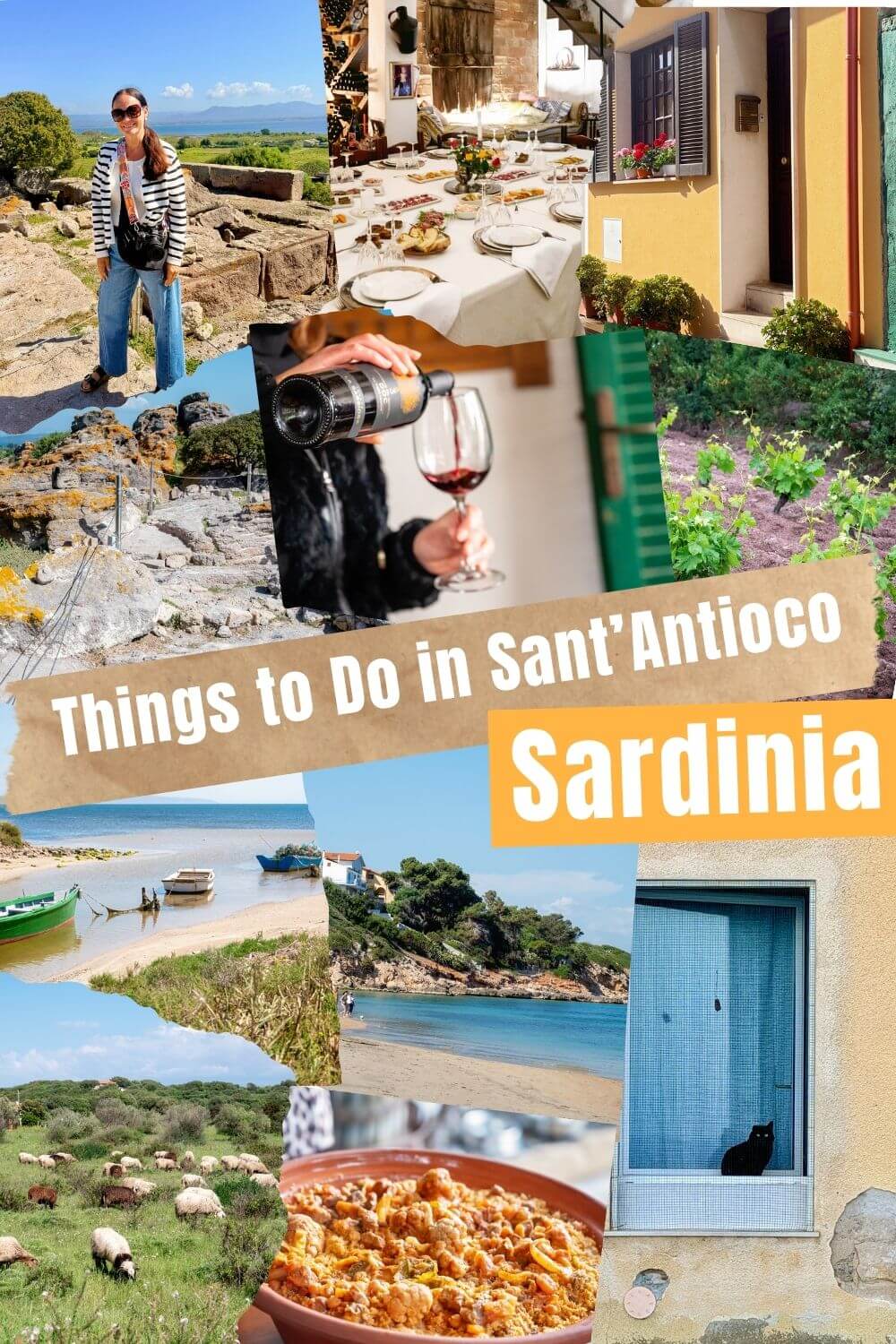
Why Visit Sant’Antioco, Sardinia?
Sant’Antioco feels like a completely different side of Italy. Life moves more slowly here. Much of the coastline feels untouched, the wine and fresh seafood are incredible, and ancient history is woven directly into everyday life.
In many ways, the island itself feels like a living museum. Around every corner, you will find layers of history, culture, and tradition waiting to be discovered. Yet, unlike some of Italy’s more famous destinations, Sant’Antioco still feels quiet and authentic.
Connected to mainland Sardinia by a bridge, Sant’Antioco sits in the far southwest corner of the island. Many Italian travelers already know and love this area, but it remains surprisingly overlooked by international visitors.
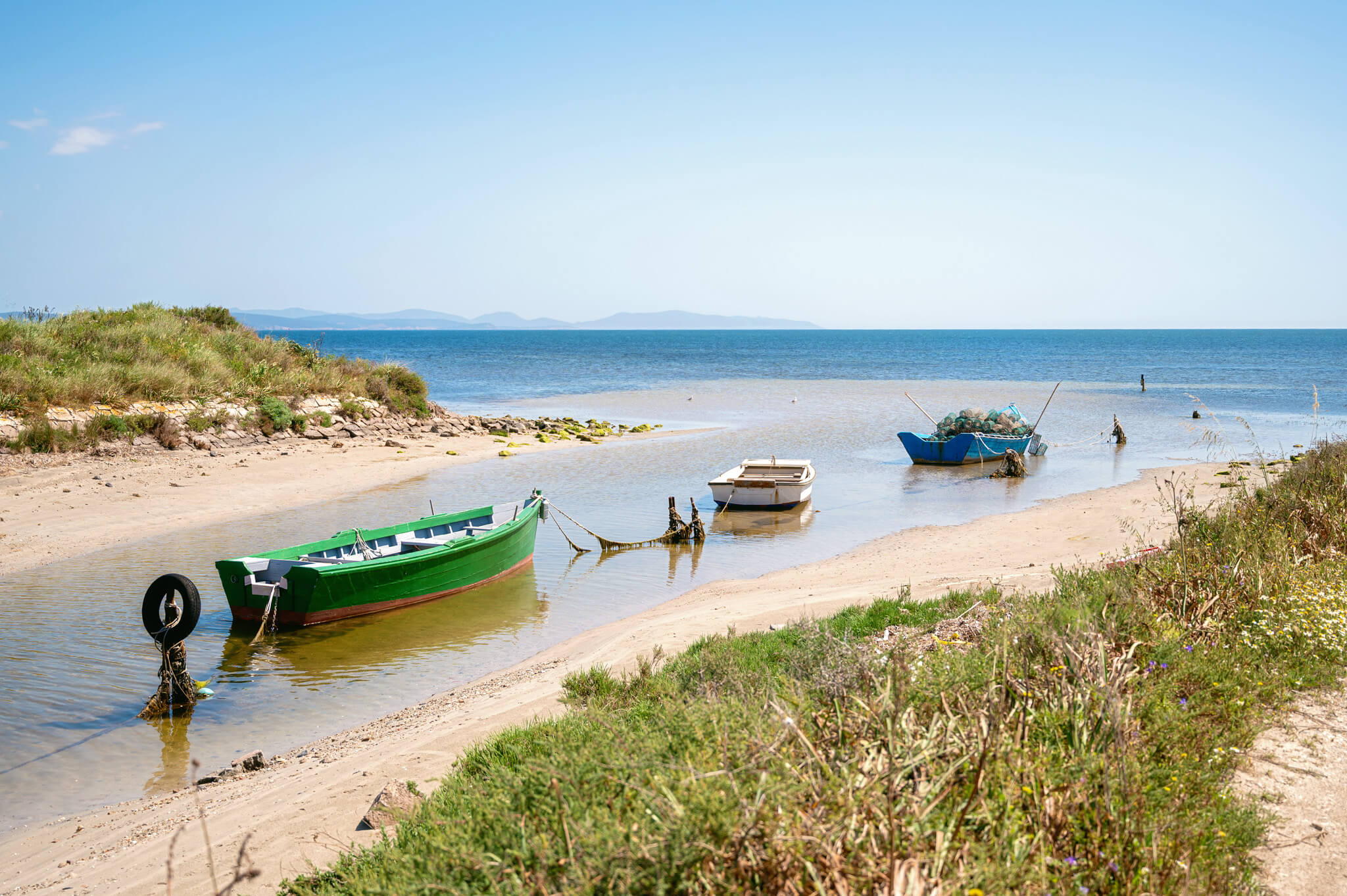
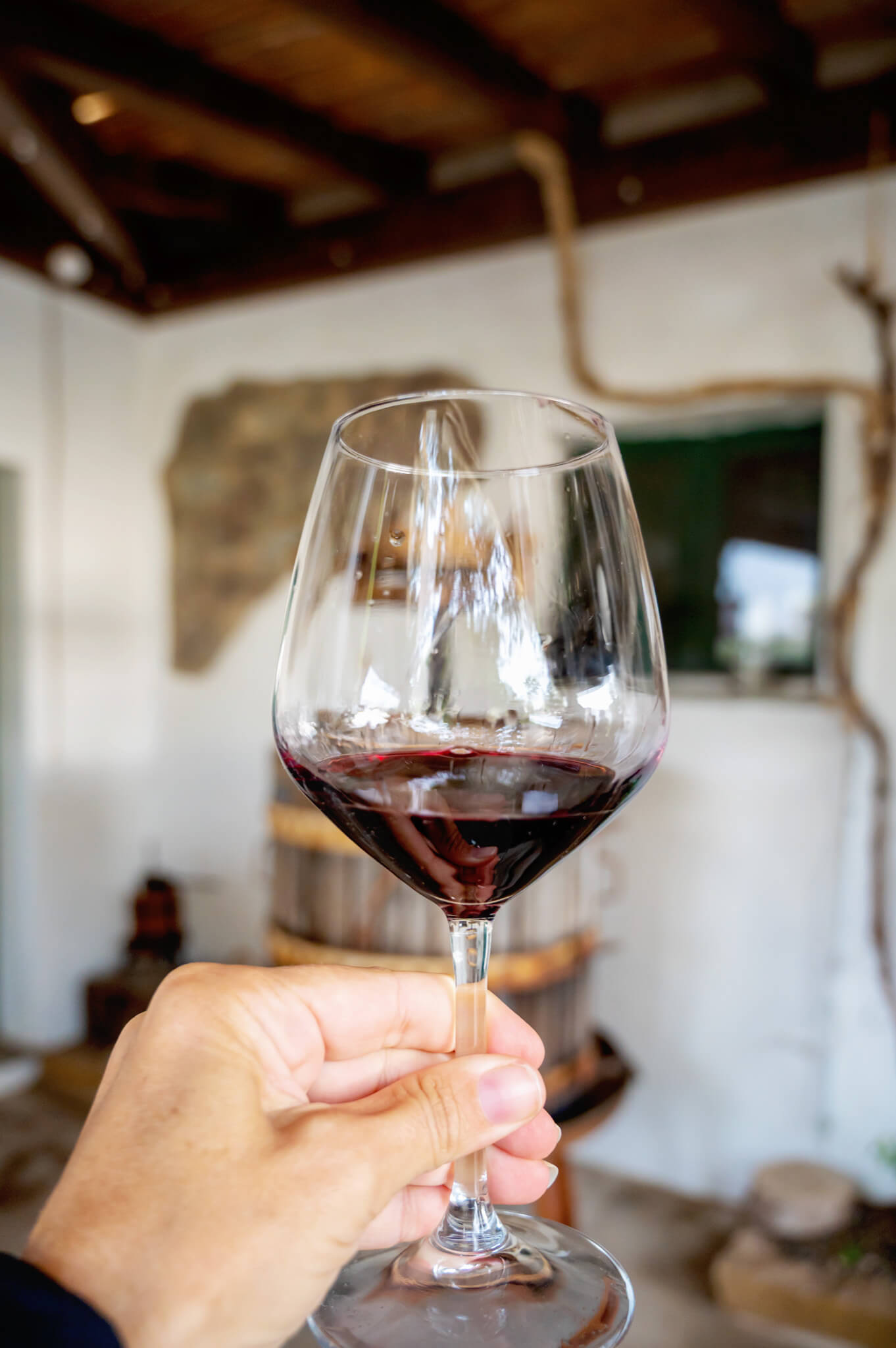
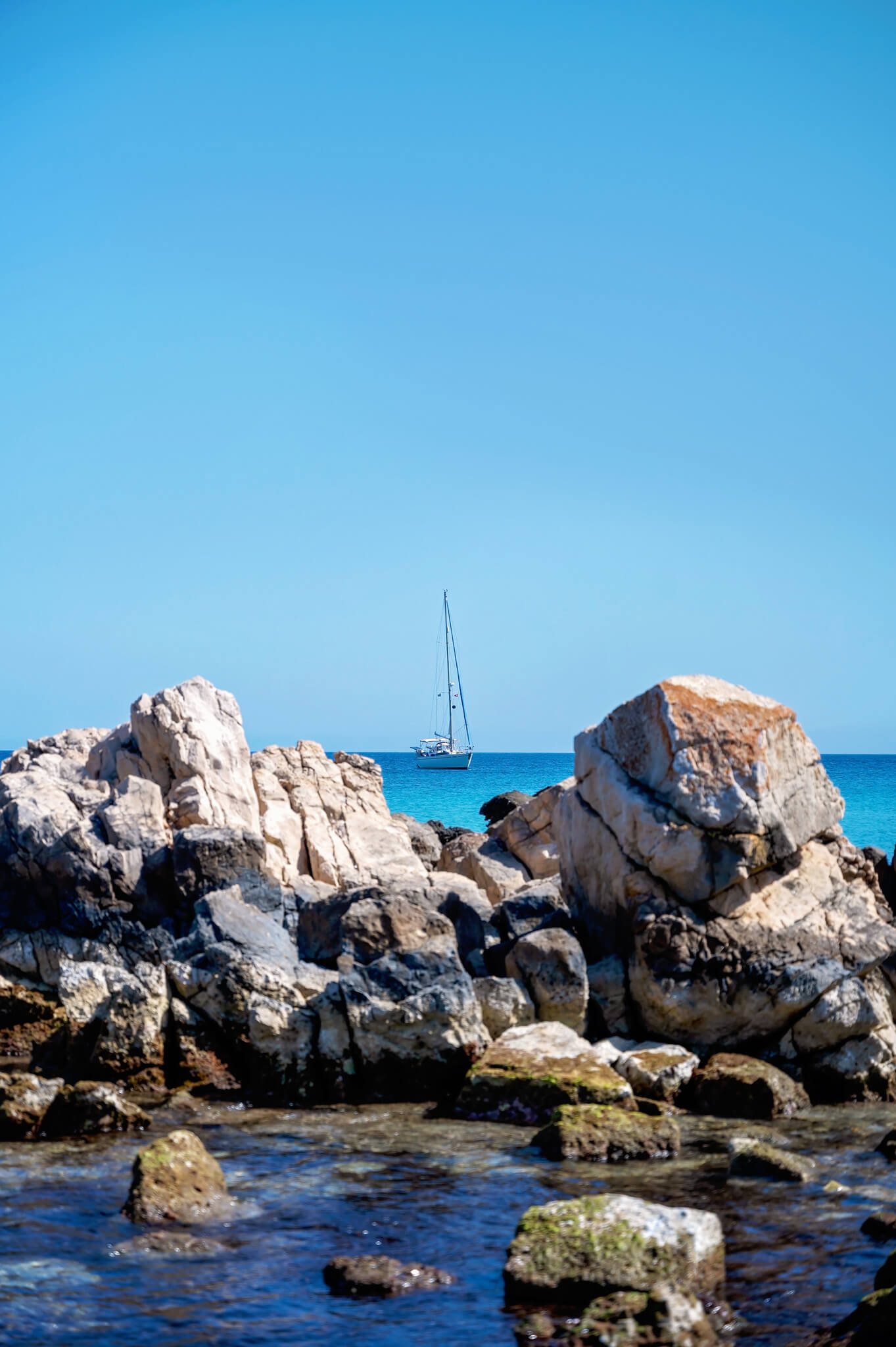
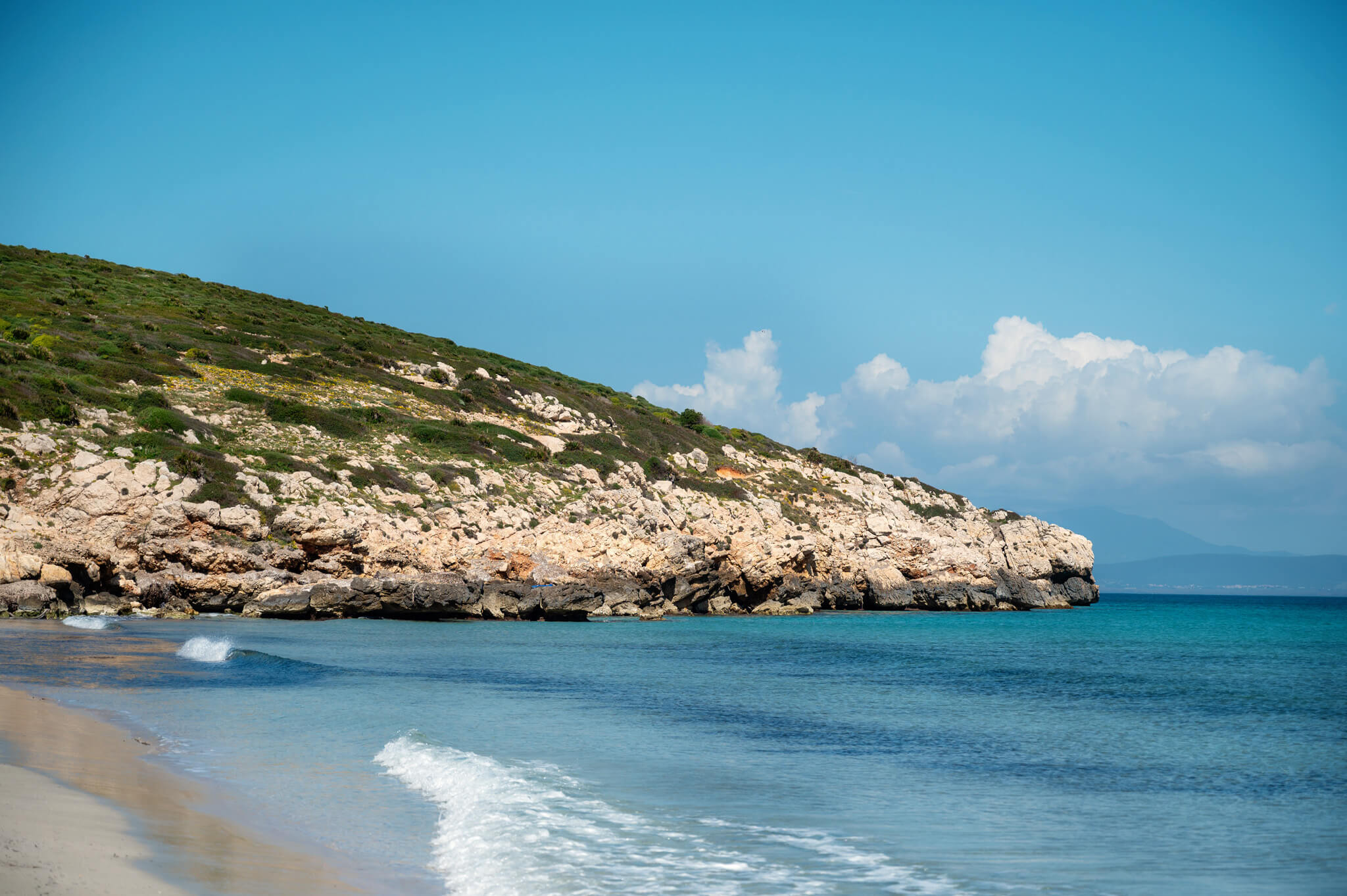
Sant’Antioco is the perfect destination for travelers who enjoy a mix of experiences. One day might be spent exploring ancient archaeological sites, biking along the coastline, or kayaking near sea caves. The next day, you might find yourself sipping local wine, relaxing at the beach, or lingering over a seafood lunch by the water.
Want to see it for yourself? Check out this amazing video on the Sant’Antioco website!
In my opinion, the island of Sant’Antioco is also ideal for adventurous travelers. You can spend your days sailing through the Sulcis Archipelago, snorkeling in turquoise water, and driving winding coastal roads in search of hidden coves and scenic viewpoints. It’s not full of luxury resorts, and honestly, still a little raw.
And while Sant’Antioco feels remote in the best possible way, it is still fairly easy to reach. Most travelers will fly into Cagliari Elmas Airport (set up flight deal alerts), which sits about 90 minutes away by car. I highly recommend renting a car for this trip. The beaches, wineries, hiking trails, and small coastal towns are scattered across the island.
But, before you board that plane to Italy, make sure to check out my Italy Packing List!

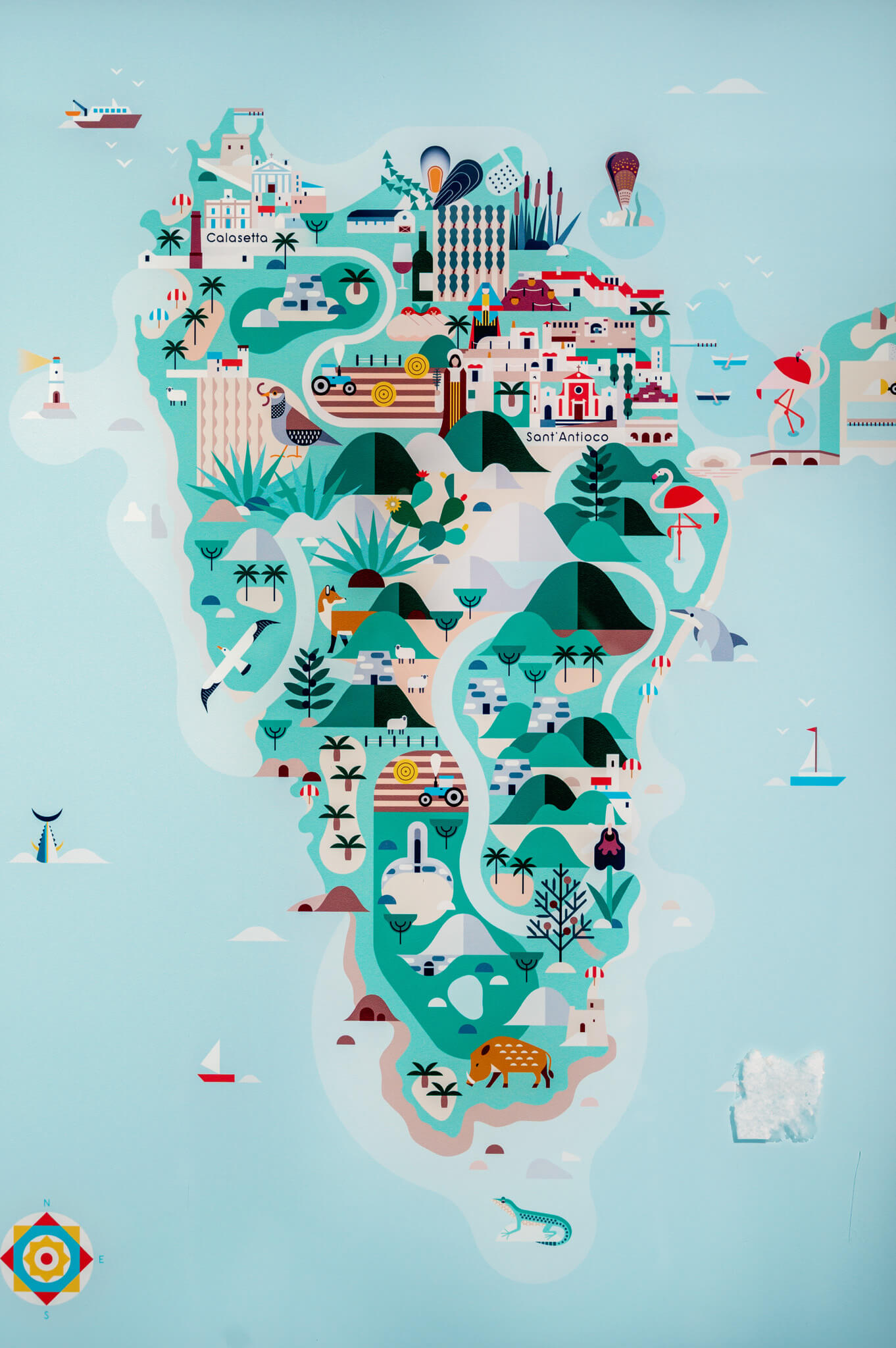
The Best Things to Do on Sant’Antioco, Sardinia
Whether you want to spend your days exploring ancient ruins, relaxing at the beach, sailing through the Sulcis Archipelago, or sipping wine from centuries-old vineyards, there is no shortage of incredible experiences on Sant’Antioco.
Some activities are adventurous and active, while others simply invite you to slow down and soak in the atmosphere. Here are some of the best things to do on Sant’Antioco, Sardinia.
And when possible, I will include easy-to-book links so you can check real-time availability for many of these Sant’Antioco activities! If you are already there, check GetYourGuide for last-minute tours. We do this all of the time when traveling in Europe!
Walk Through Sant’Antioco Town and Waterfront
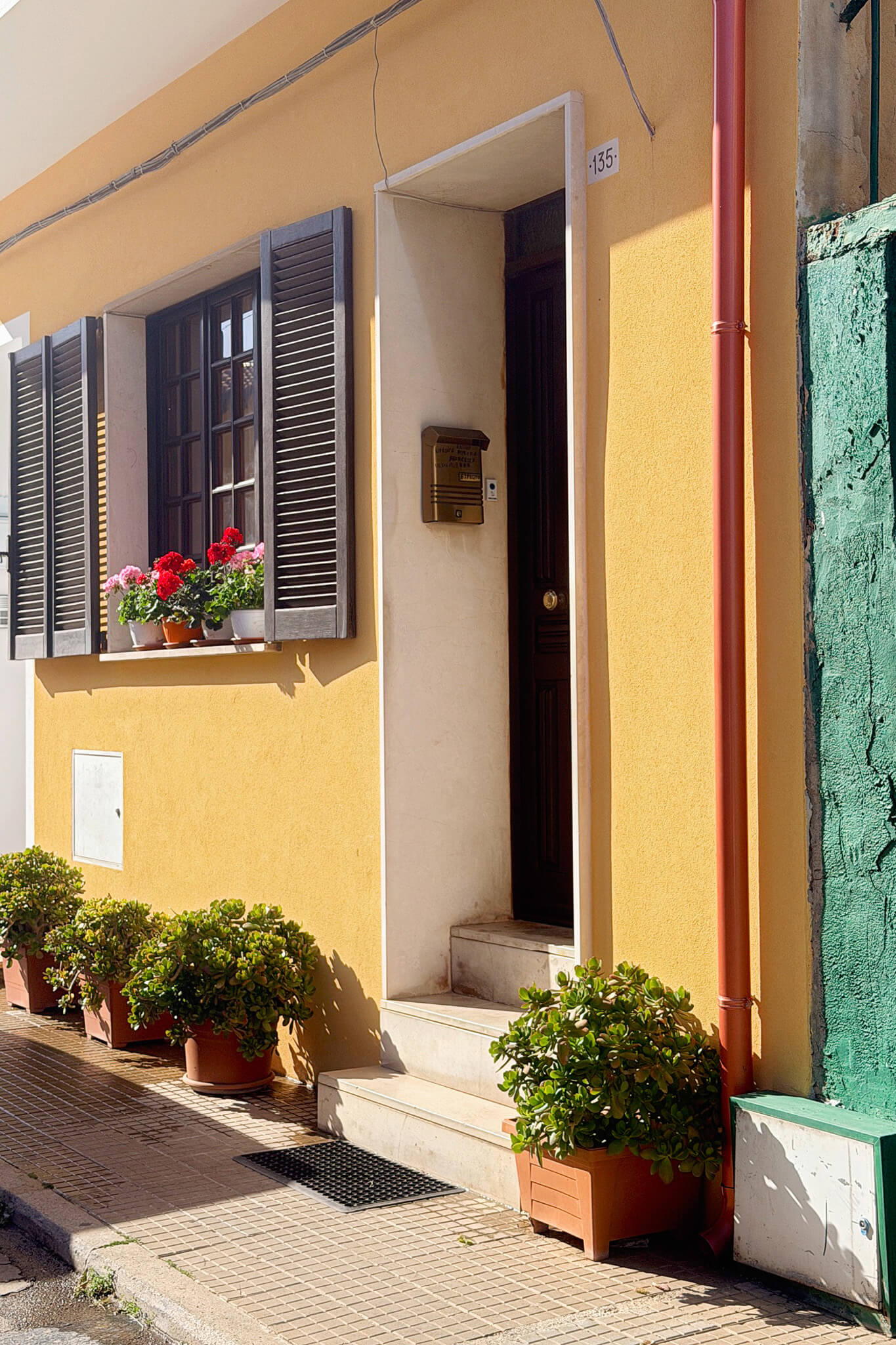
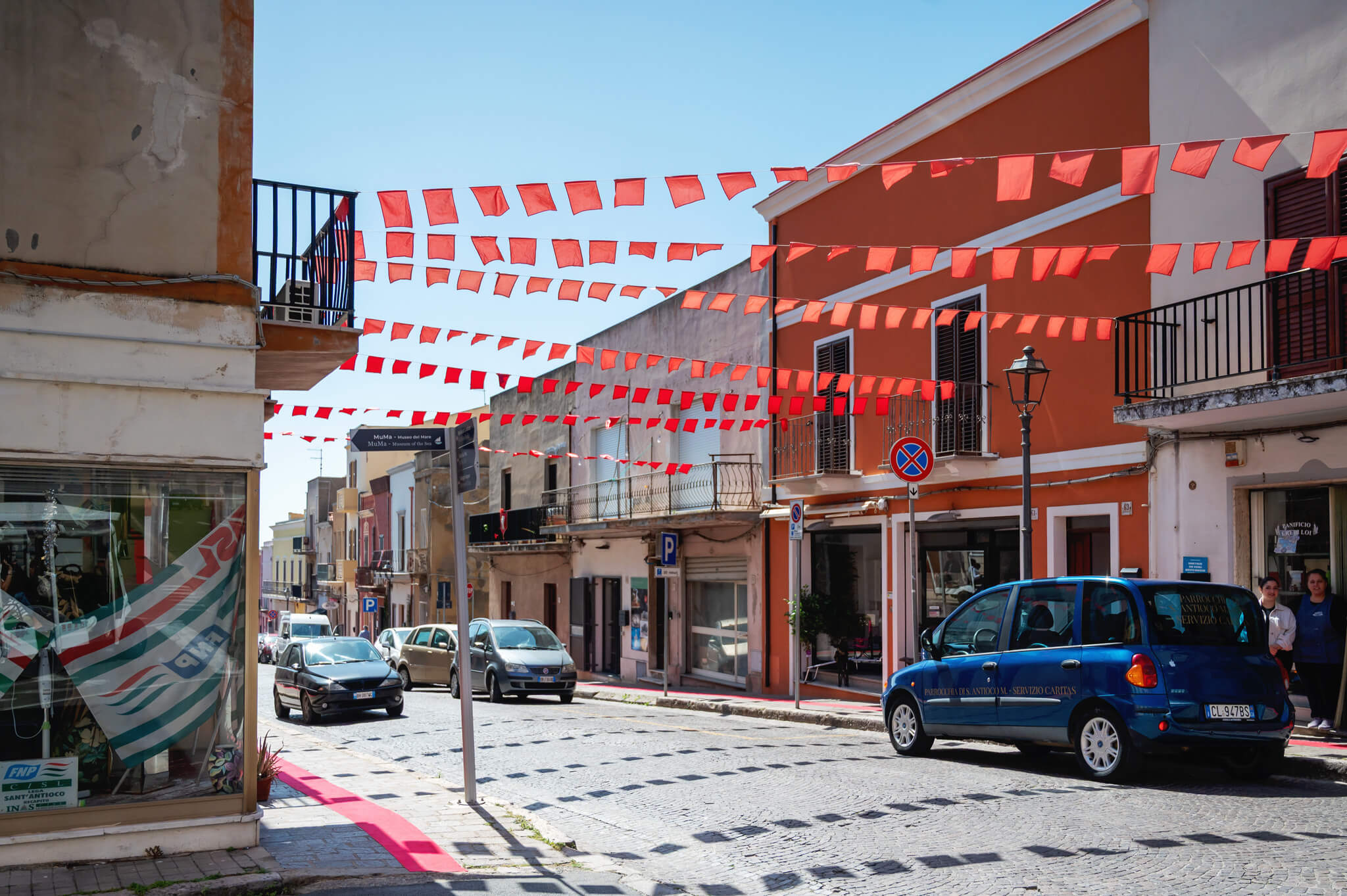
One of my favorite things to do on my trip to Sant’Antioco was simply to wander through town and soak in the atmosphere. Life moves more slowly here, and the waterfront feels refreshingly authentic compared to many of Italy’s busier coastal destinations.
Colorful fishing boats line the marina while locals gather in the piazzas and waterfront cafes throughout the day. In the evenings, families stroll along the promenade, friends meet for aperitivo, and restaurants slowly fill with people lingering over seafood dinners and glasses of local wine.
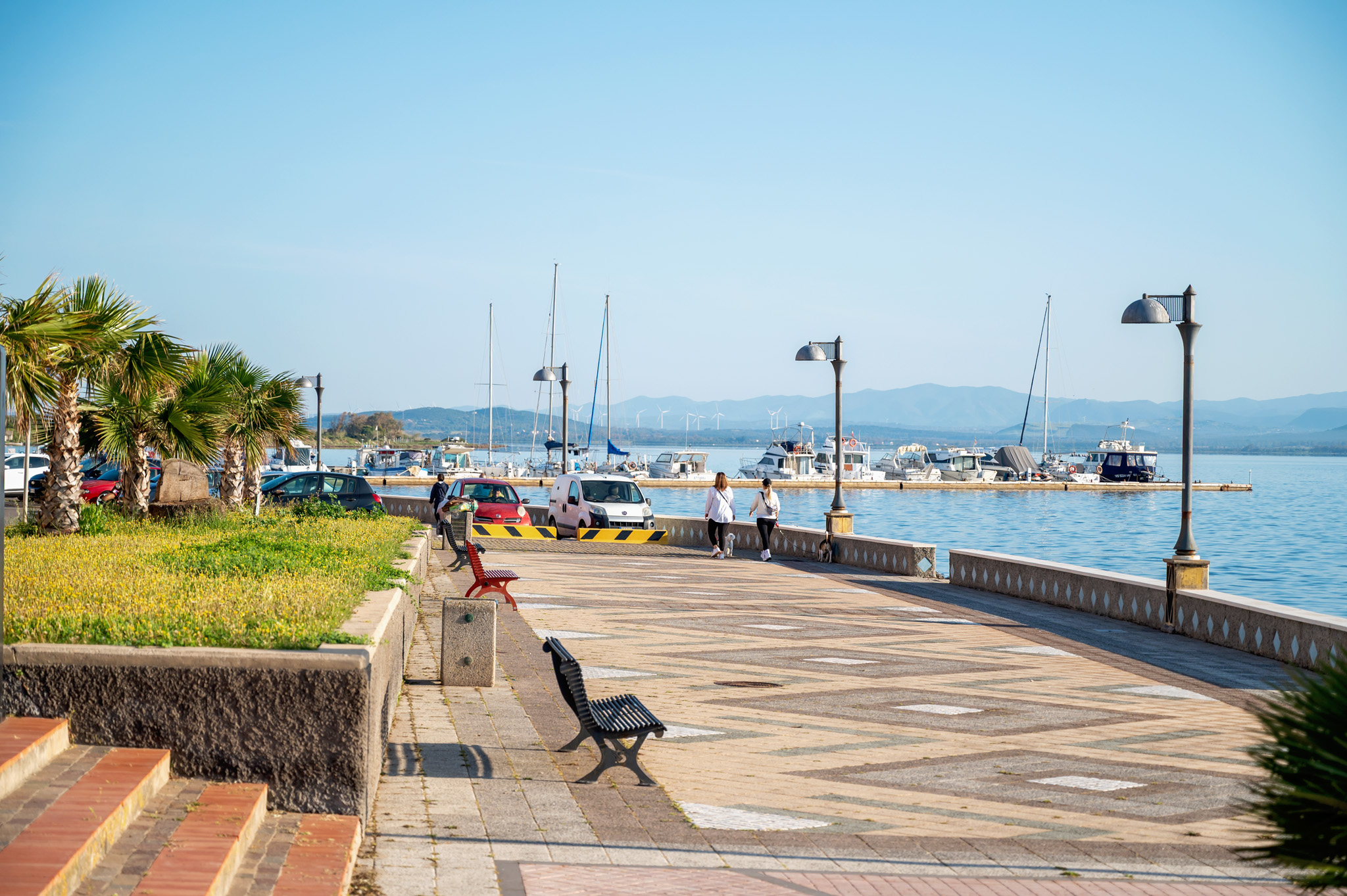
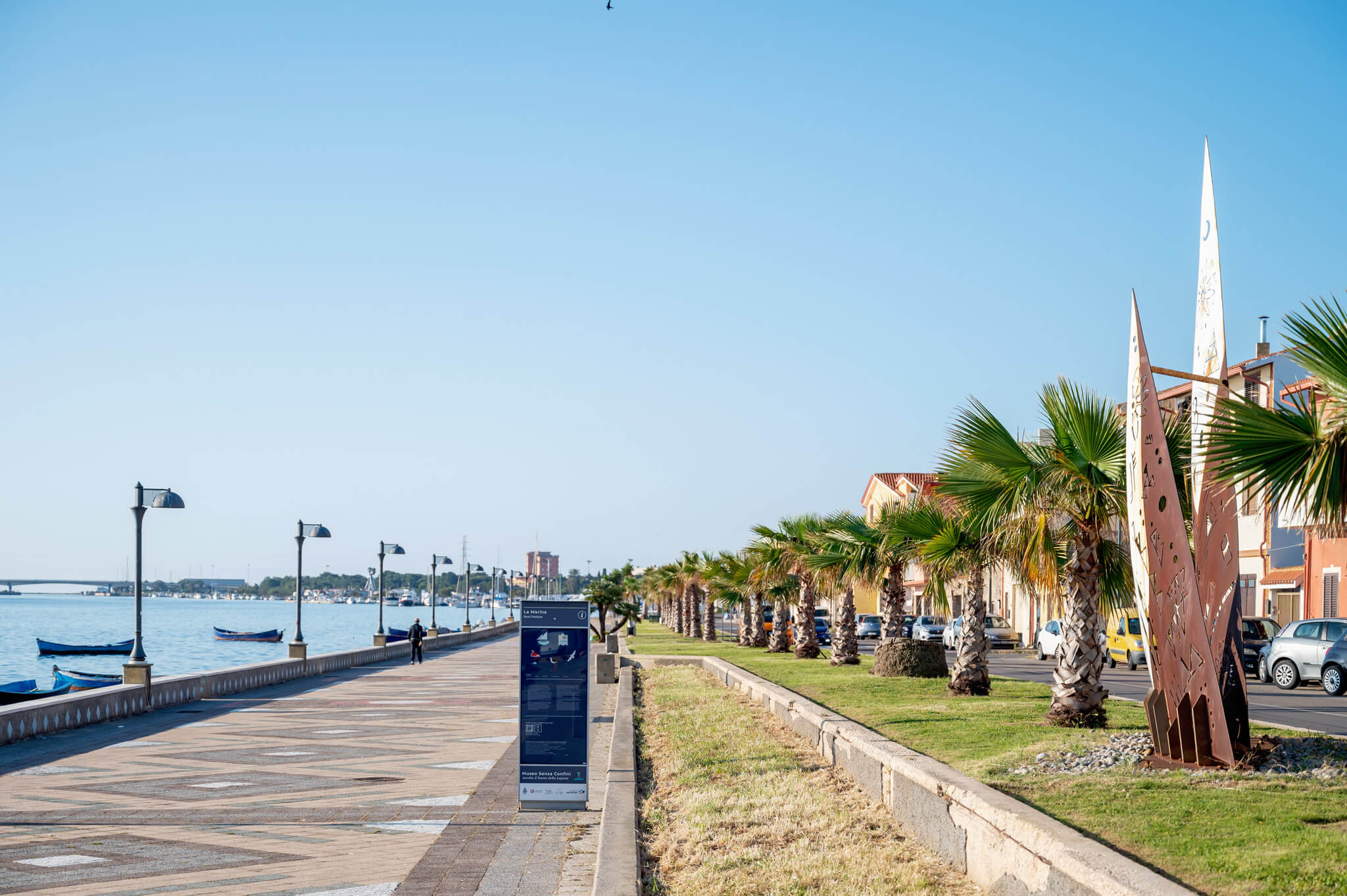
I also loved browsing the small local shops and walking through the quieter side streets near the harbor. Sant’Antioco still feels like a real working town instead of a place built entirely around tourism, and that is part of its charm.
Sant’Antioco is also known for preserving the ancient weaving tradition of Bisso, or “sea silk,” made from the fibers of the protected Pinna Nobilis mollusk. The island’s weaving heritage was revived through the historic Italo Diana weaving school, and some local artisans still help preserve these rare techniques today through demonstrations and workshops connected to the island’s cultural museums and artisan spaces.
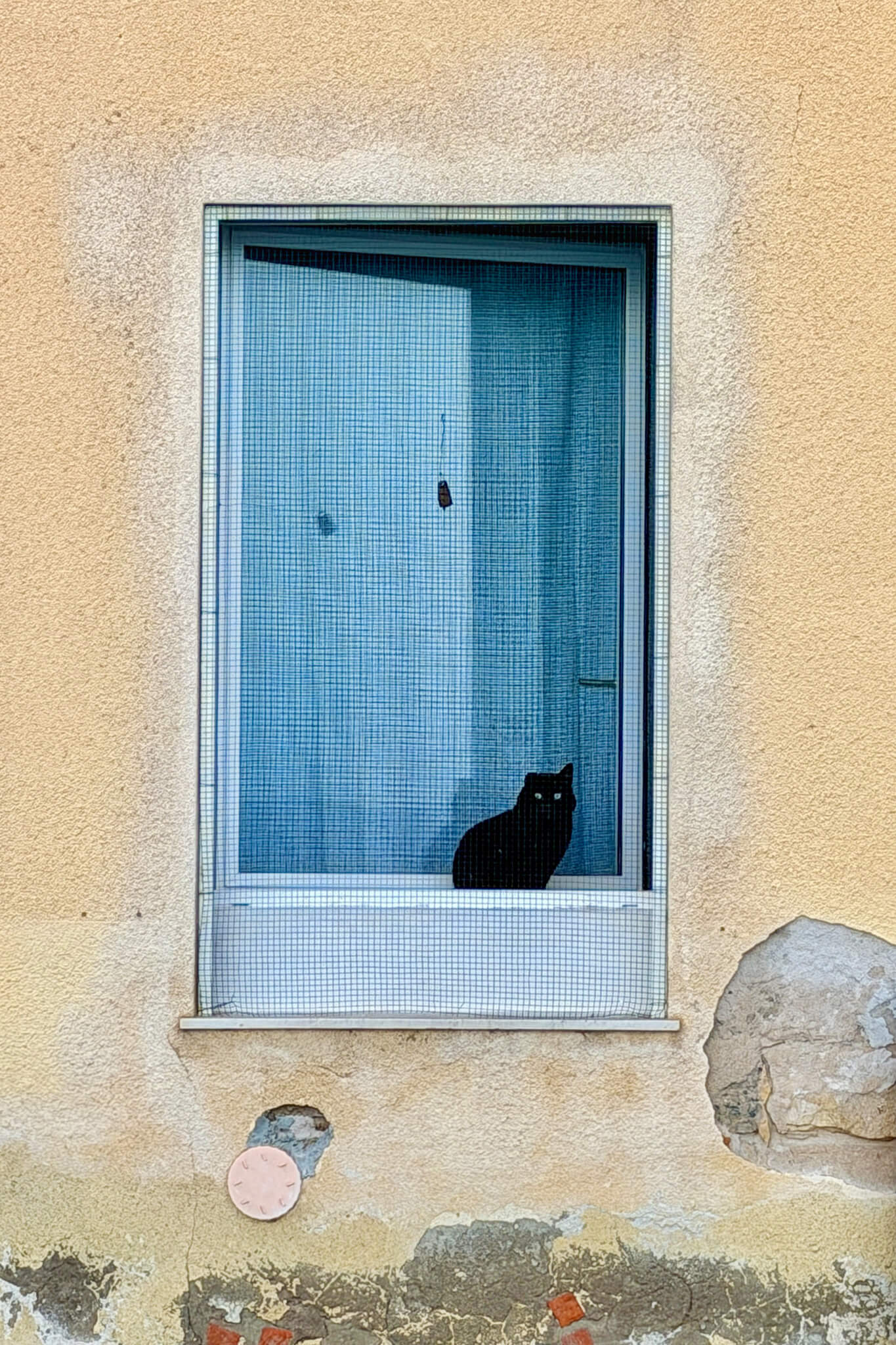
On my first morning, I woke up early and had coffee at La Laguna along the waterfront. It was full of locals, and it was really nice to just sit and watch everyone come and go! On my way back to the hotel, I strolled along the waterfront and noticed a friendly cat in the window.
Experience an Authentic Sardinian Home Dinner
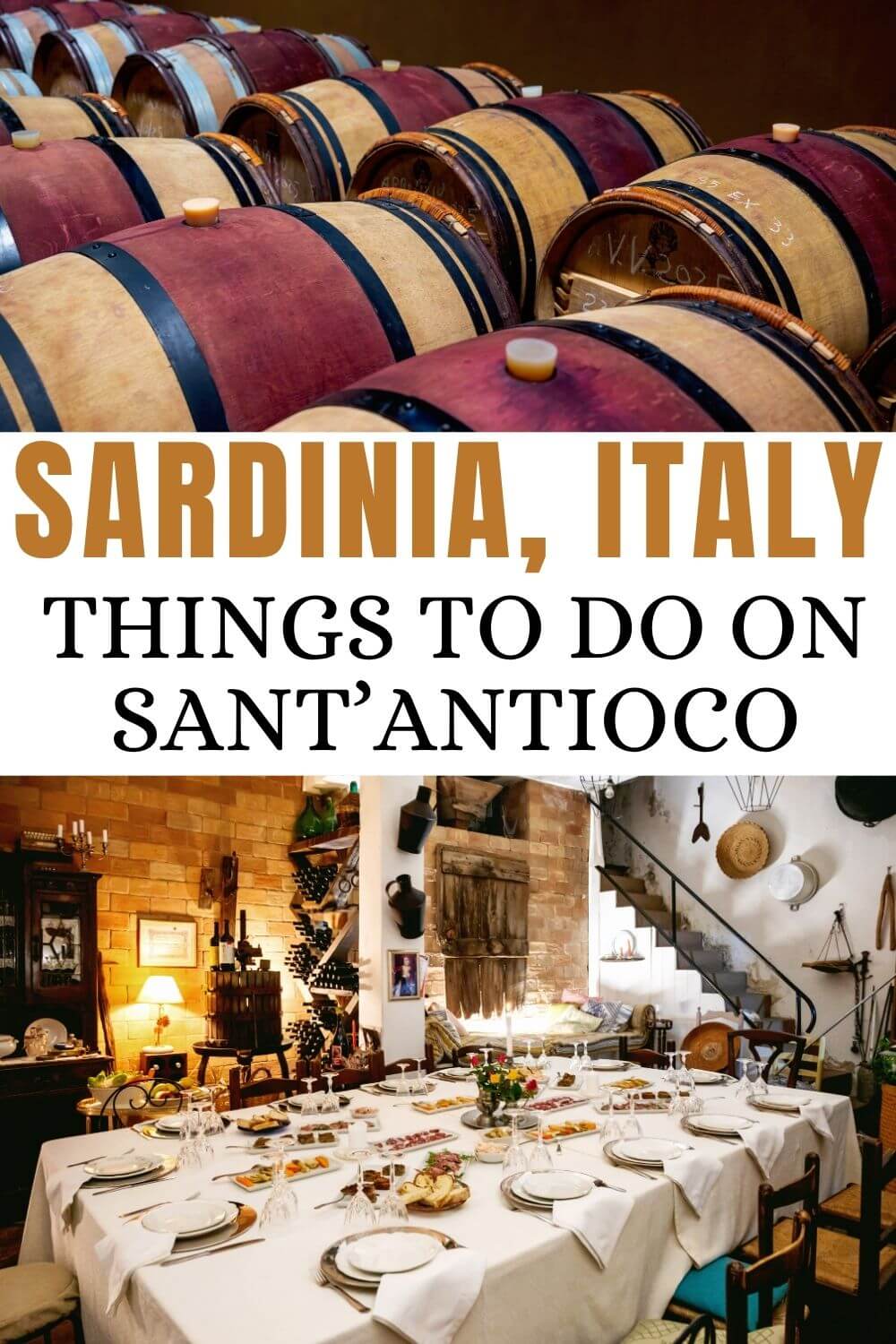
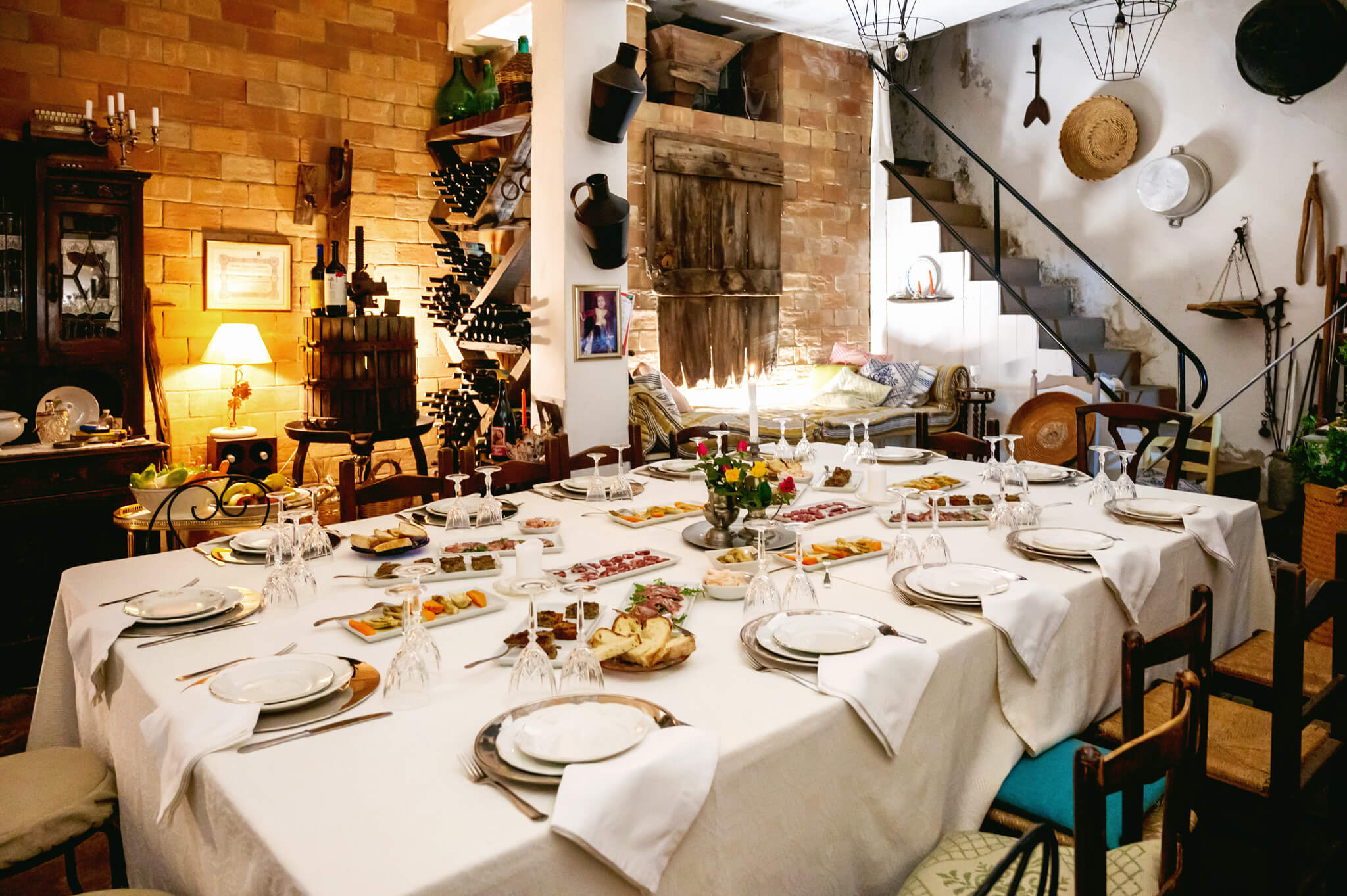
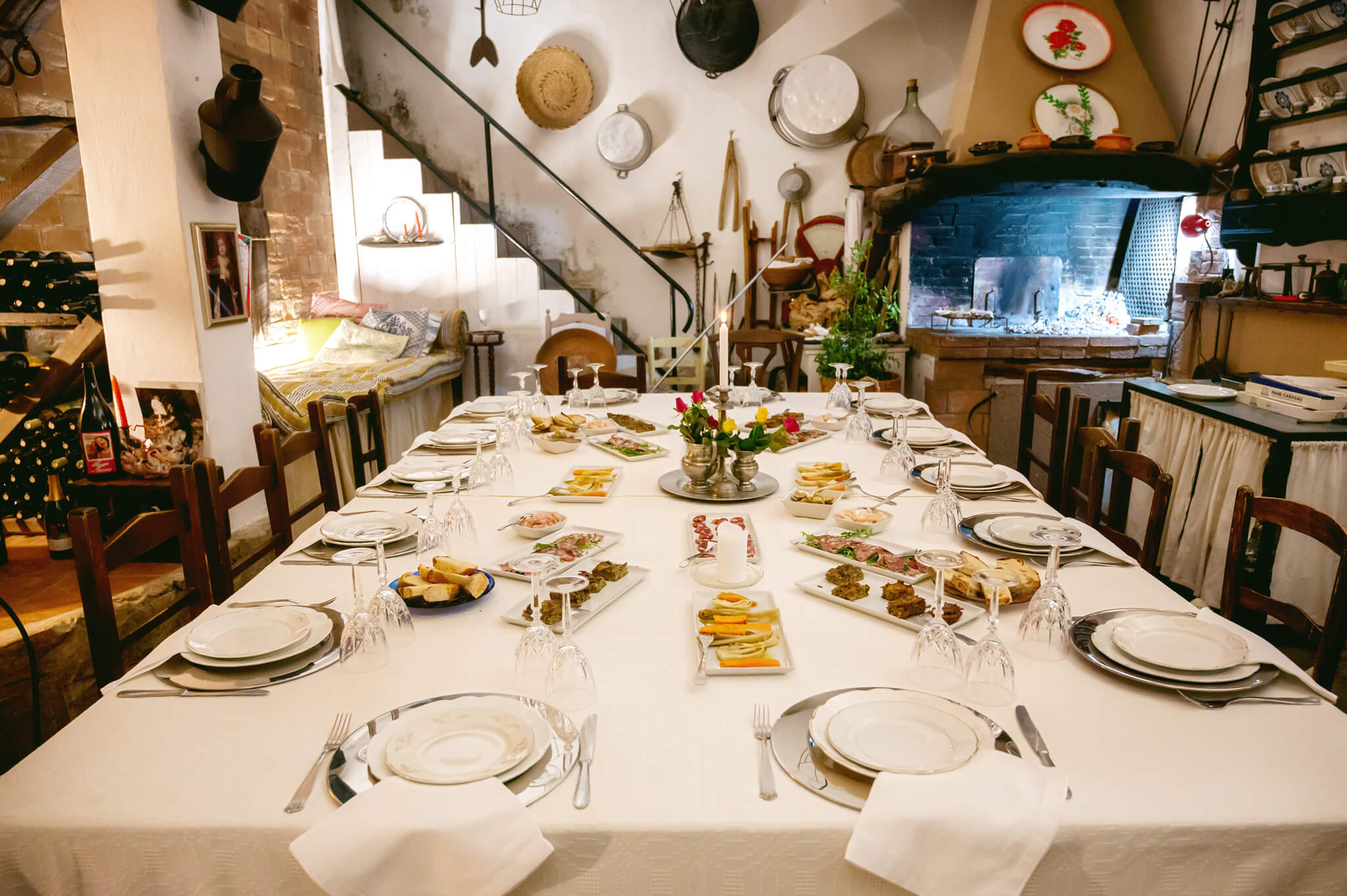
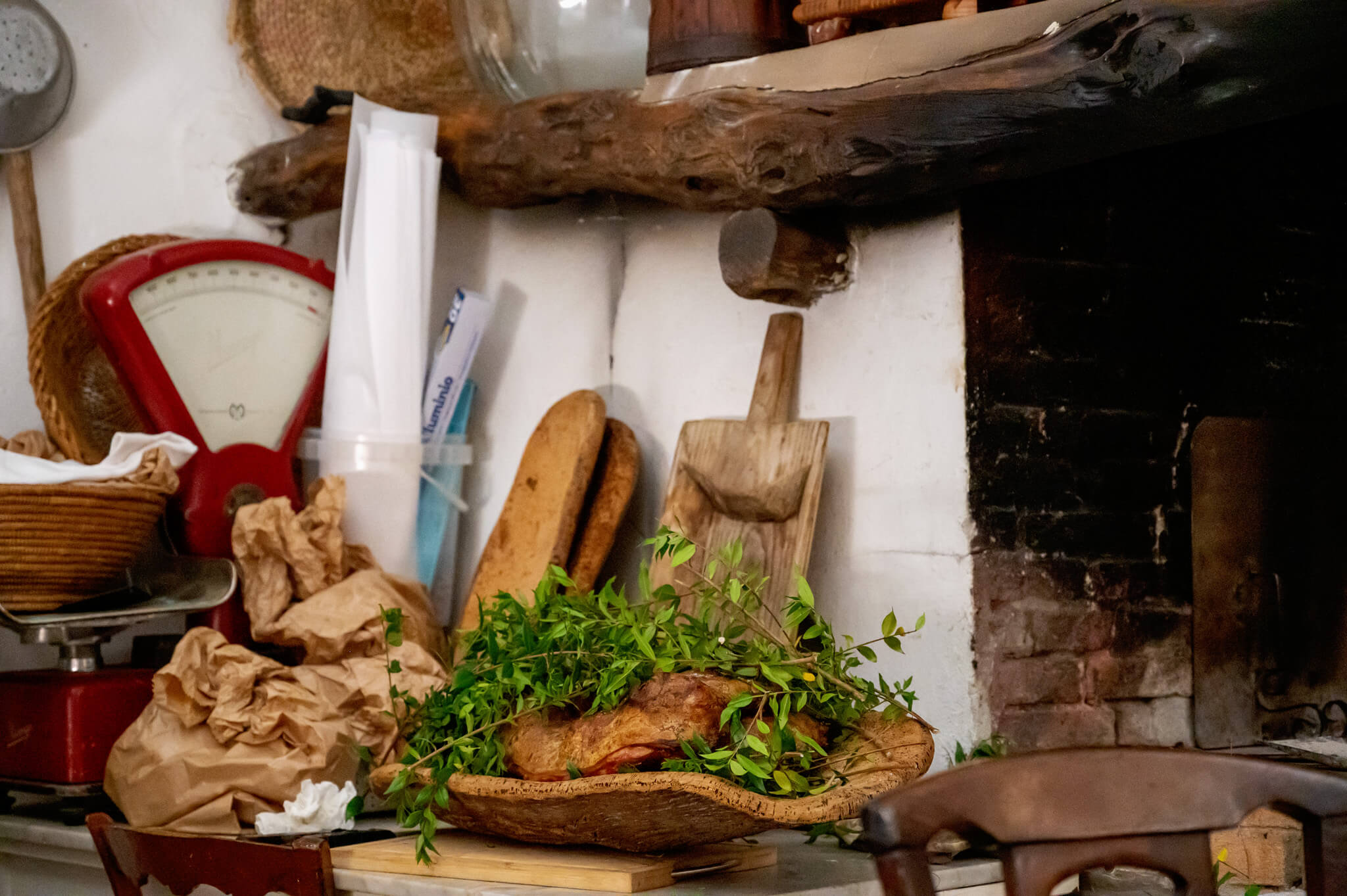
One of the most memorable experiences from my trip was dinner at Da Zia Pinuccia Home Restaurant in Sant’Antioco. This immersive dining experience felt less like eating at a restaurant and more like stepping into someone’s home and family traditions.
The meal featured traditional Sardinian recipes passed down through generations. We enjoyed local breads, seafood, vegetables, wine, and desserts while surrounded by vintage dishes, terracotta pots, and family heirlooms inside a restored 1800s Campidanese home.
Our experience started at 9 PM, when we gathered in the courtyard for wine and fresh charcuterie, and didn’t wrap up until after midnight. Of course, with an aperitivo of Mirto and lots of laughter!
In most cases, unless you choose to book it that way, this is not a private experience. You are grouped with a few other parties to fill all of the seats at the table. And, the three men who joined our group were a riot! Experiences like this are exactly why Sant’Antioco feels so authentic. The island’s traditions are still being lived and shared, not recreated for tourists.
Note that you should book this in advance, and I highly recommend it!
Visit the Beaches Around Sant’Antioco Island
One of the most popular things to do on Sant’Antioco during the summer months is simply to spend time exploring the island’s beaches. Some are sandy and shallow, while others are rocky coves with deep turquoise water perfect for snorkeling and diving.
But keep the season in mind when planning your trip to Sardinia. Outside of the summer months, some beaches and seasonal restaurants may feel especially quiet.
Because the beaches are spread around the island, having a rental car makes beach hopping very easy.
Compared to many beaches in mainland Italy, Sant’Antioco feels quieter and far less crowded. Much of the coastline still feels wild and untouched, especially along the island’s western coastline.
Sant’Antioco East Coast Beaches
The east coast of Sant’Antioco features calmer waters and several sandy beaches, with easier access and nearby services.
Maladroxia Beach is one of the island’s most popular beaches. It offers soft sand, shallow water, beach clubs, restaurants, and beautiful views across the bay. This beach is located in the town of Maladroxia, so there are more services nearby, including the popular LU Hotels Malaodroxia.
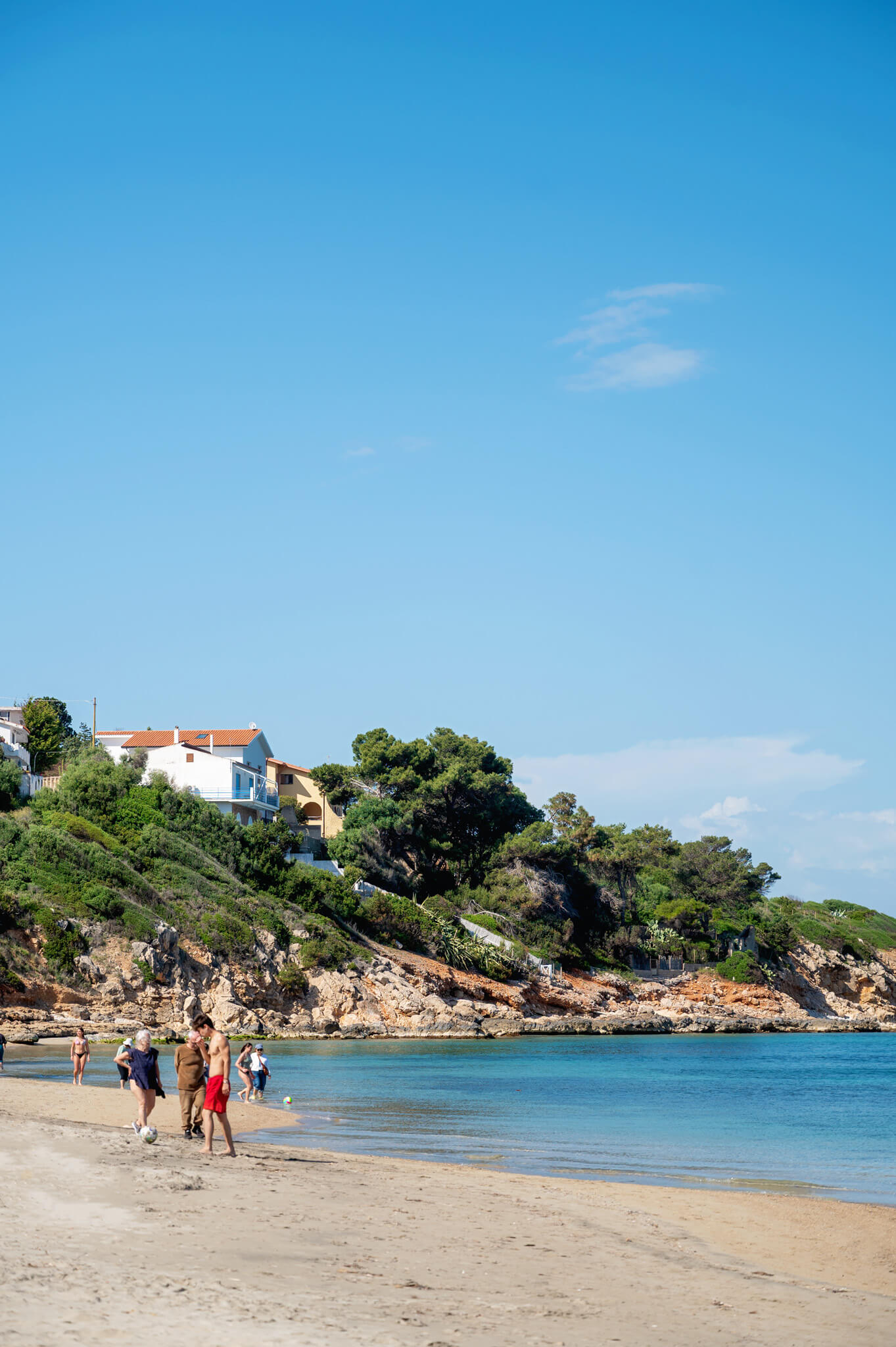
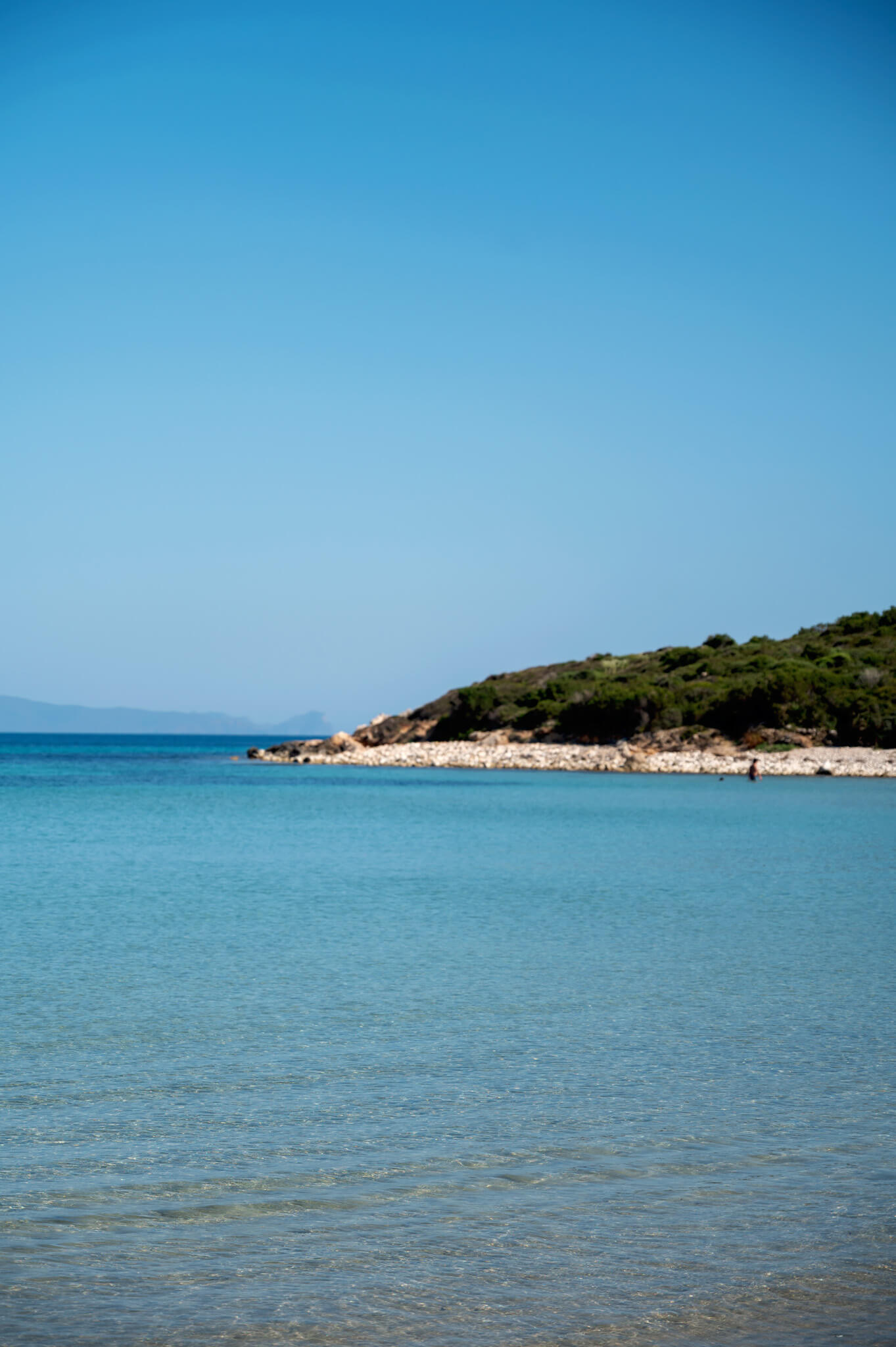
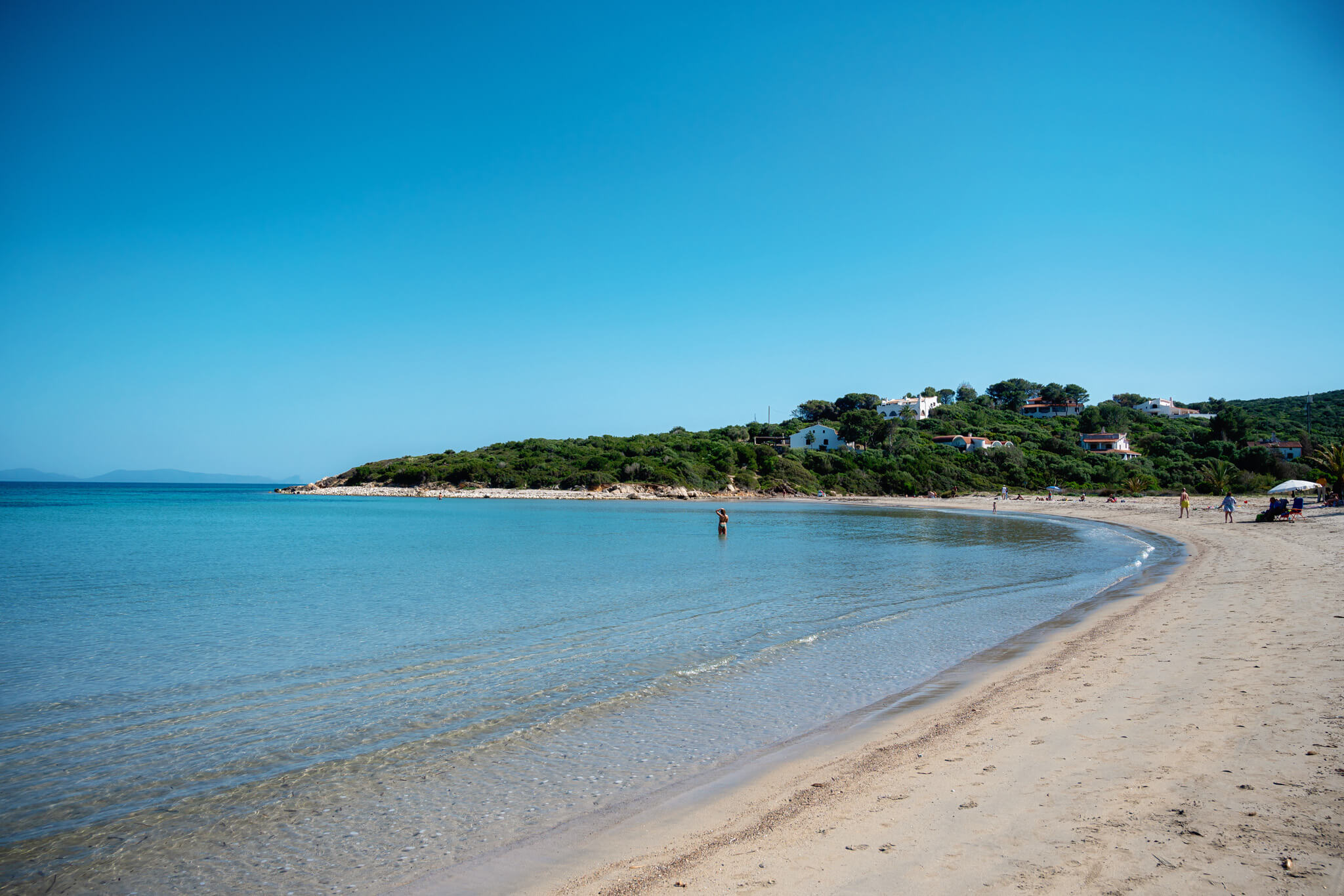
Nearby Coaquaddus Beach, which has a similar feel, with calm, turquoise water and a more relaxed atmosphere. Take time to stroll along the beach, but in the Springtime, don’t miss the wildflowers up above in the dunes!
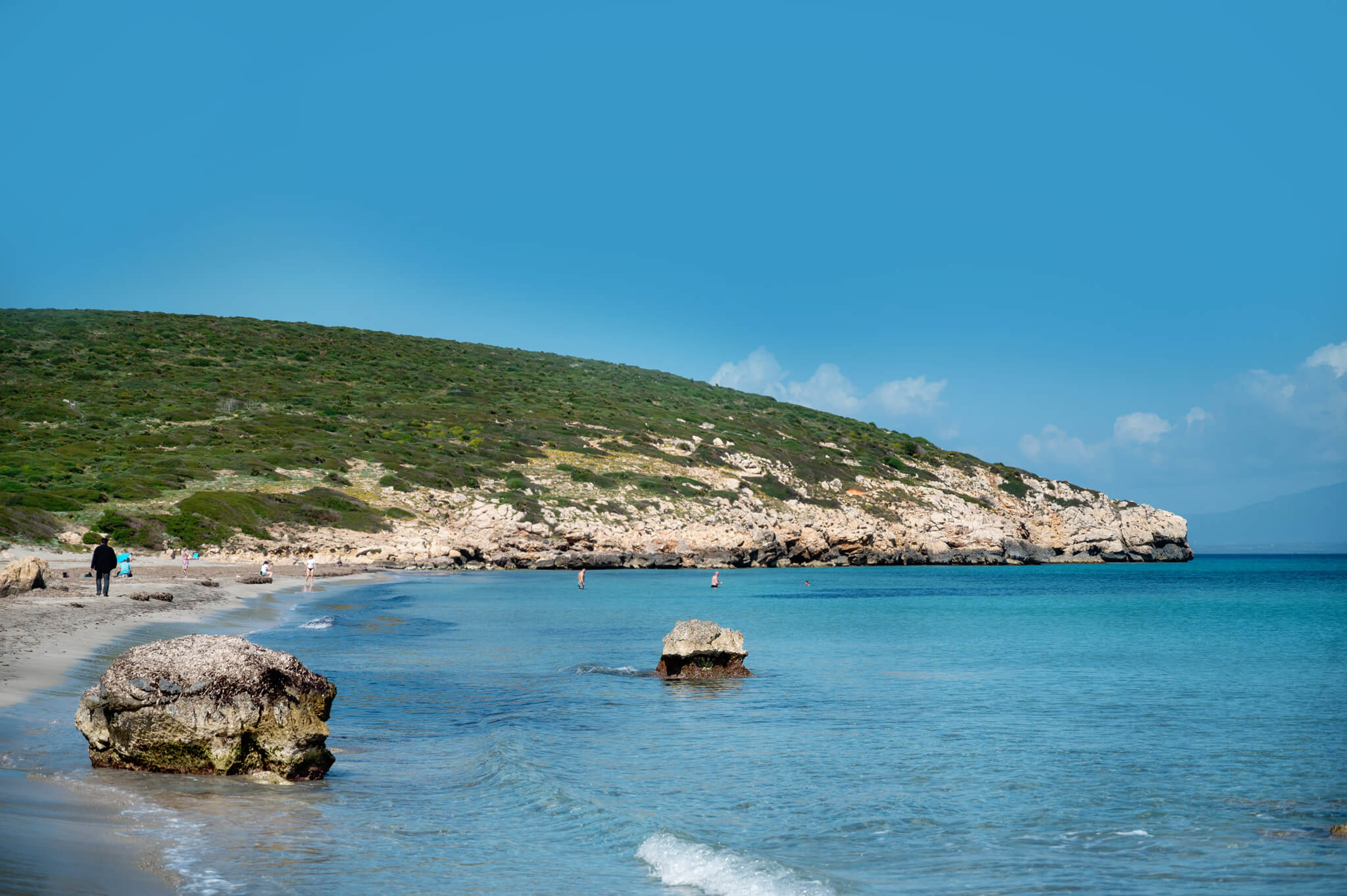
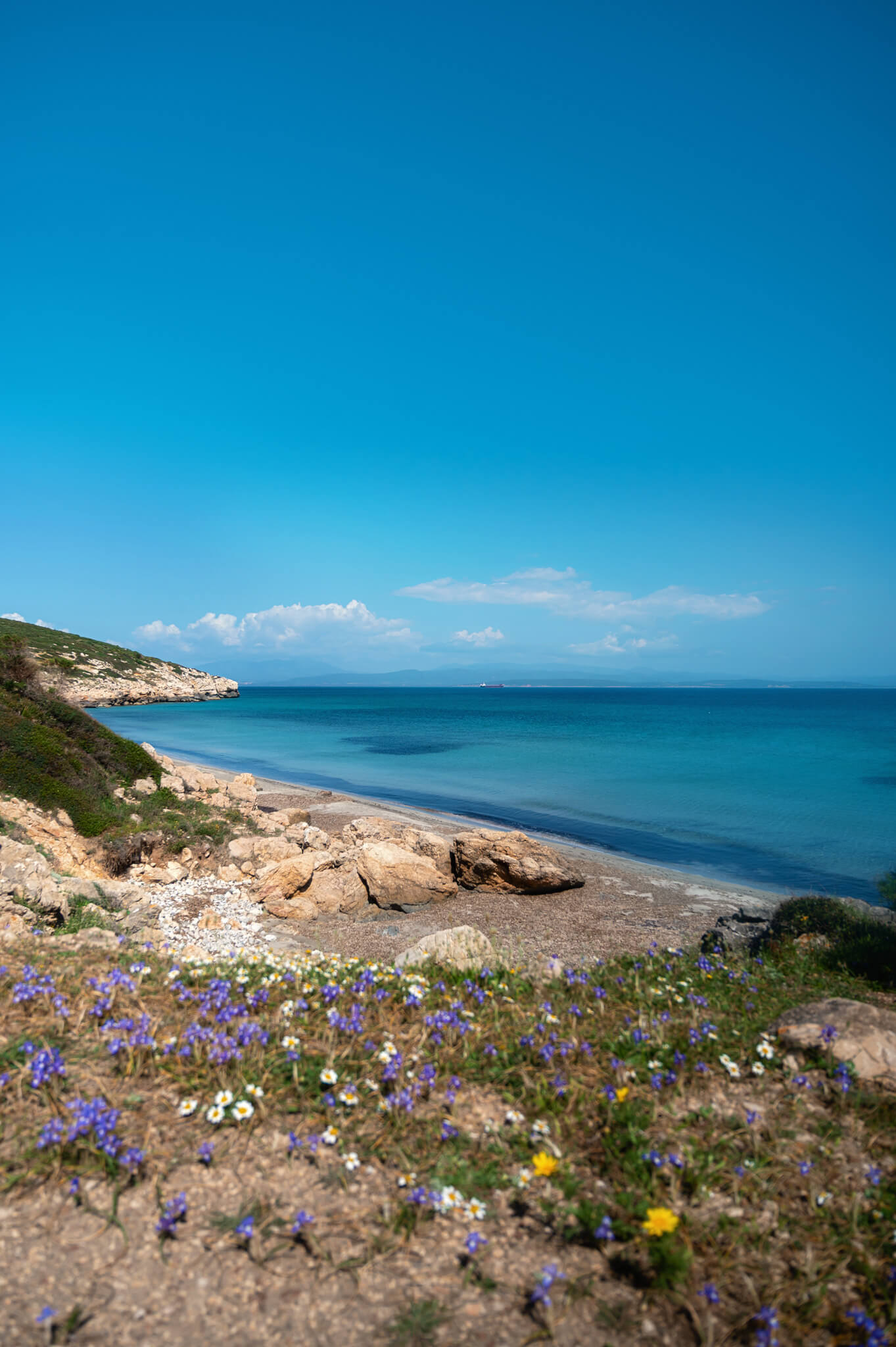
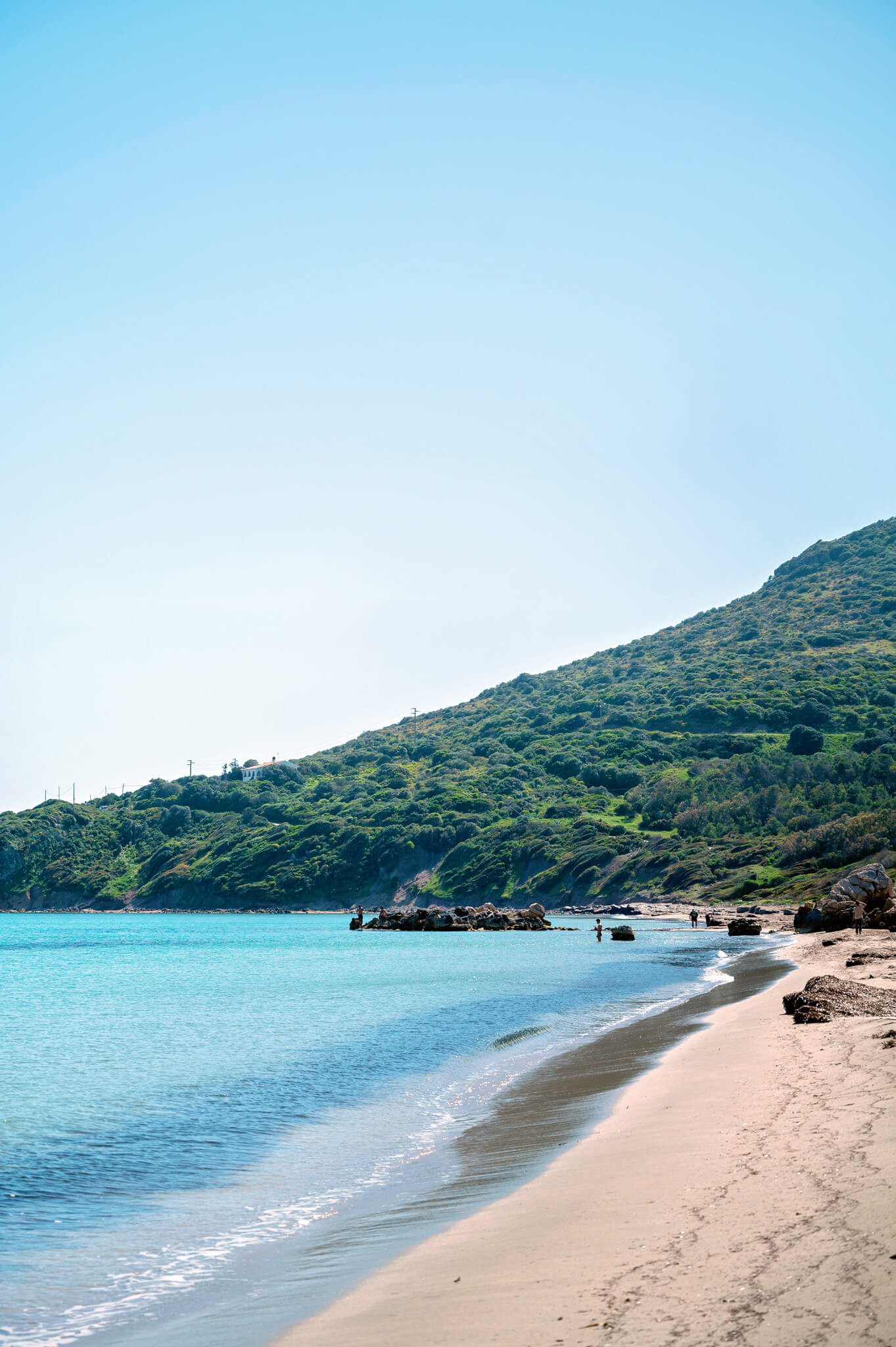
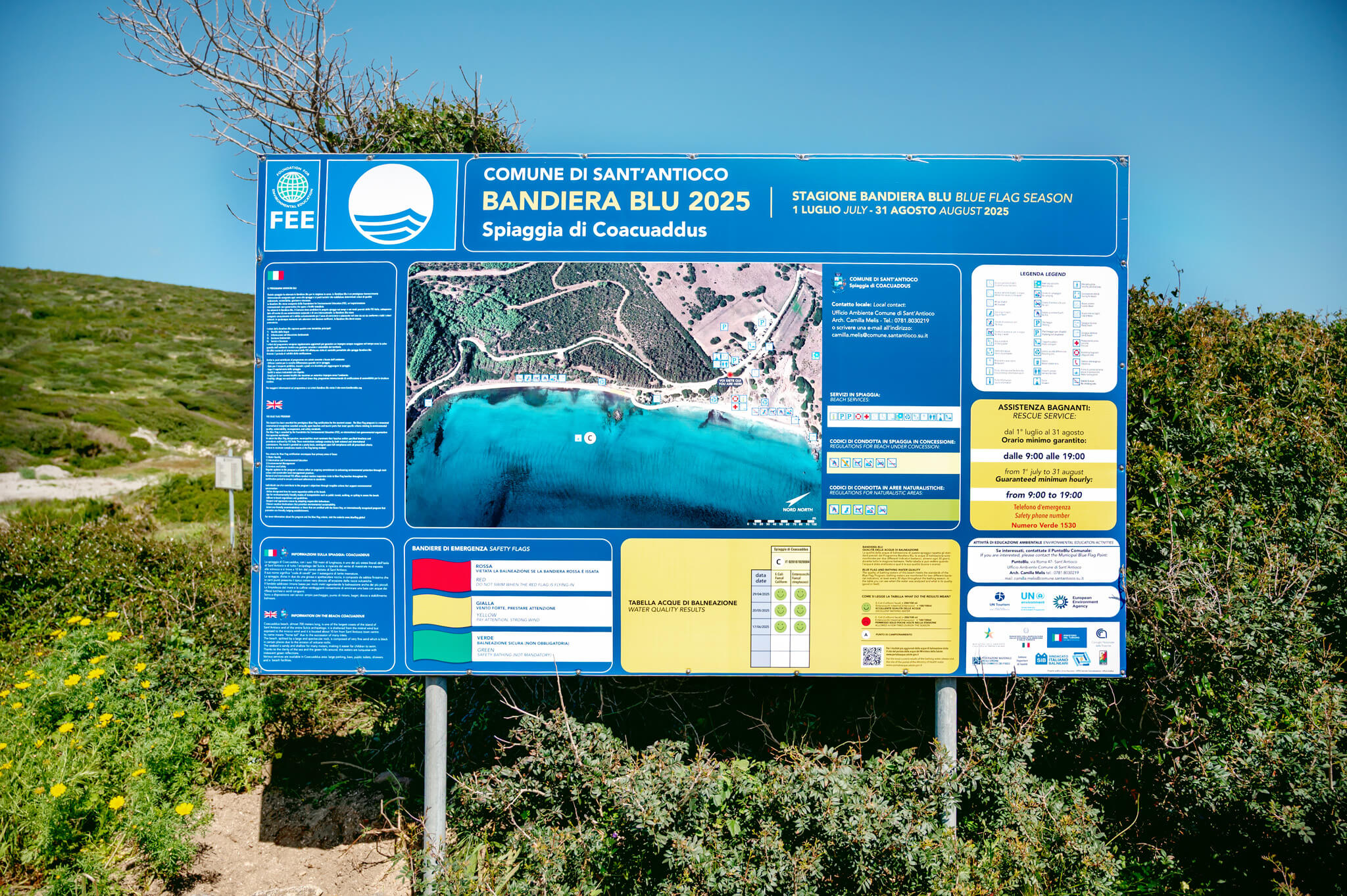
Turri Bay feels much quieter and more rugged. Instead of soft sand, you will find smooth pebbles and medium-depth water. And, the sound of the waves rolling across the pebbled shoreline is something to experience on the island.
Su Portixeddu is another peaceful option with shallow water and pebbles, but with very few services nearby.
Sant’Antioco West Coast Beaches
The west coast feels wilder and more dramatic, with rocky cliffs, deeper water, and hidden coves scattered along the coastline.
Cala Sapone is one of the best-known beaches on this side of the island. It combines sand and rock formations with deep blue water, making it a great spot for kayaking, canoeing, and stand-up paddleboarding.
Nearby Is Praneddas feels much more remote. This rocky cove features a natural pool and a stone arch, set amid rugged coastal scenery. It’s more of an inlet, and not an actual beach.
Cala Lunga is a narrow beach with a mix of sand and rock, shallow, clear water, and excellent snorkeling. Nearby Cala Grotta, on the other hand, attracts divers and adventurous swimmers with its deeper water and rocky coastline. It’s again more of a rocky inlet and even has a cave!
No matter which beaches you choose, expect beautiful water, relaxed coastal scenery, and a much slower pace than many of Italy’s more famous beach destinations.
Visit Calasetta on the Northern Side of Sant’Antioco Island
While I did not personally get to spend time in Calasetta during this trip, it’s one of the places I would prioritize next time. I think it would have been one of those small coastal towns that I fall hard for, like Camogli, Italy!
Located on the northern side of Sant’Antioco, this charming coastal town feels a little different from Sant’Antioco town itself. It has a slower sailing-town atmosphere, whitewashed architecture, and easy access to beaches, boat tours, and the ferry to Carloforte and San Pietro Island.
Founded in the late 1700s by Ligurian settlers, Calasetta still feels deeply connected to the sea. The marina, seafood restaurants, and relaxed waterfront atmosphere seem perfect for travelers looking to slow down and settle into island life for a few days.
The area is also known for beautiful coastal scenery and sunsets. Highlights include the Mangiabarche Lighthouse, one of the oldest lighthouses in Sardinia, and the dramatic sea stacks of Nido dei Passeri, which overlook the sea toward San Pietro Island.
If you are especially interested in sailing, island hopping, beach time, or spending evenings near the harbor, Calasetta may actually make a better home base for some travelers visiting Sant’Antioco, especially during the warmer months.
Explore the Archaeological Sites of Ancient Sulci
Sant’Antioco is far more than a beach destination. The island is also home to some of the most important archaeological sites in Southwest Sardinia, with layers of Nuragic, Phoenician, Punic, and Roman history woven directly into the landscape.
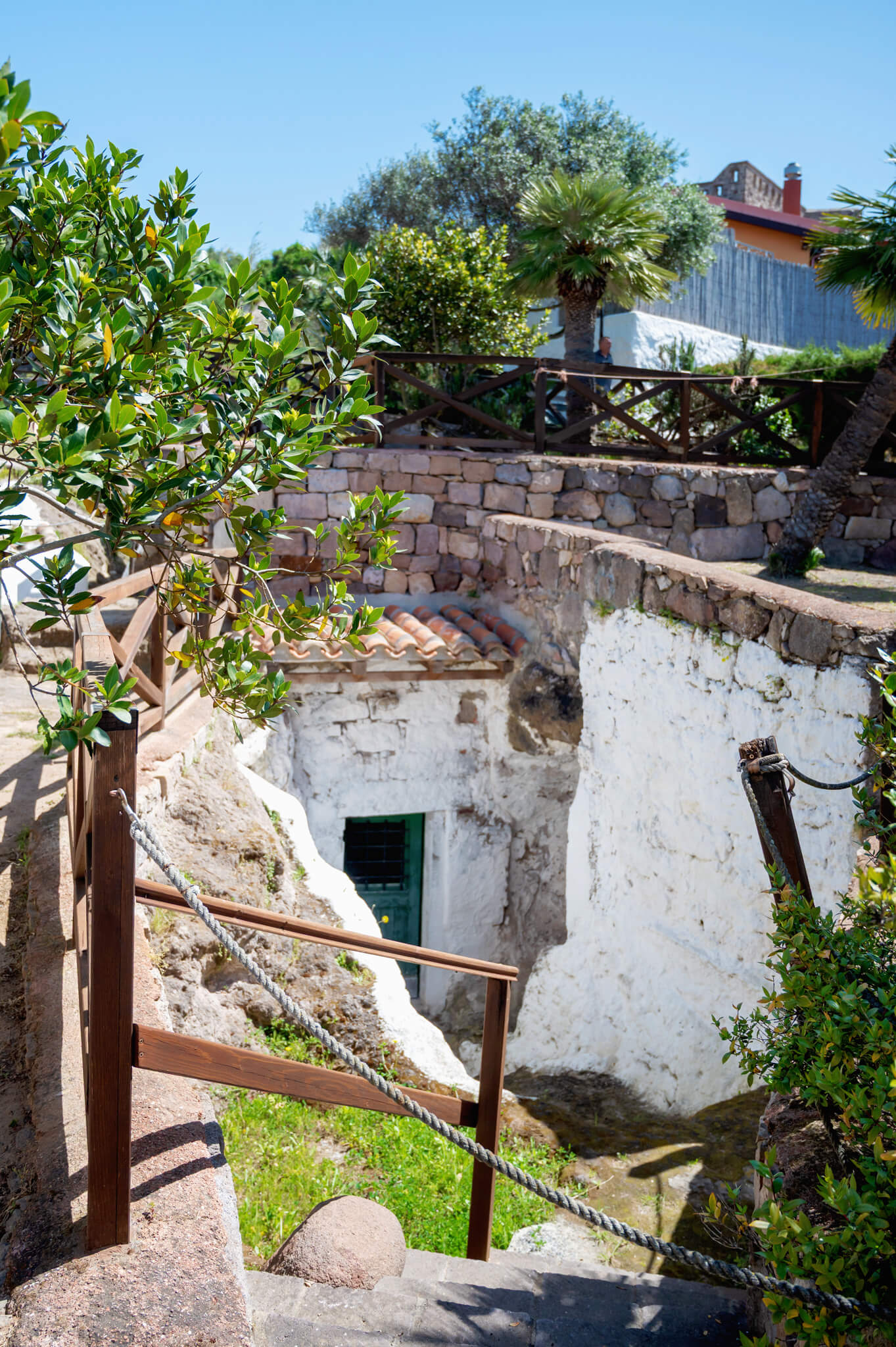
Many of the island’s main archaeological sites are easy to access from Sant’Antioco Town itself. Highlights include the Museo Archeologico Ferruccio Barreca, the ancient Tophet, underground catacombs, and the fascinating Hypogeum Village, where ancient tombs were later transformed into homes.
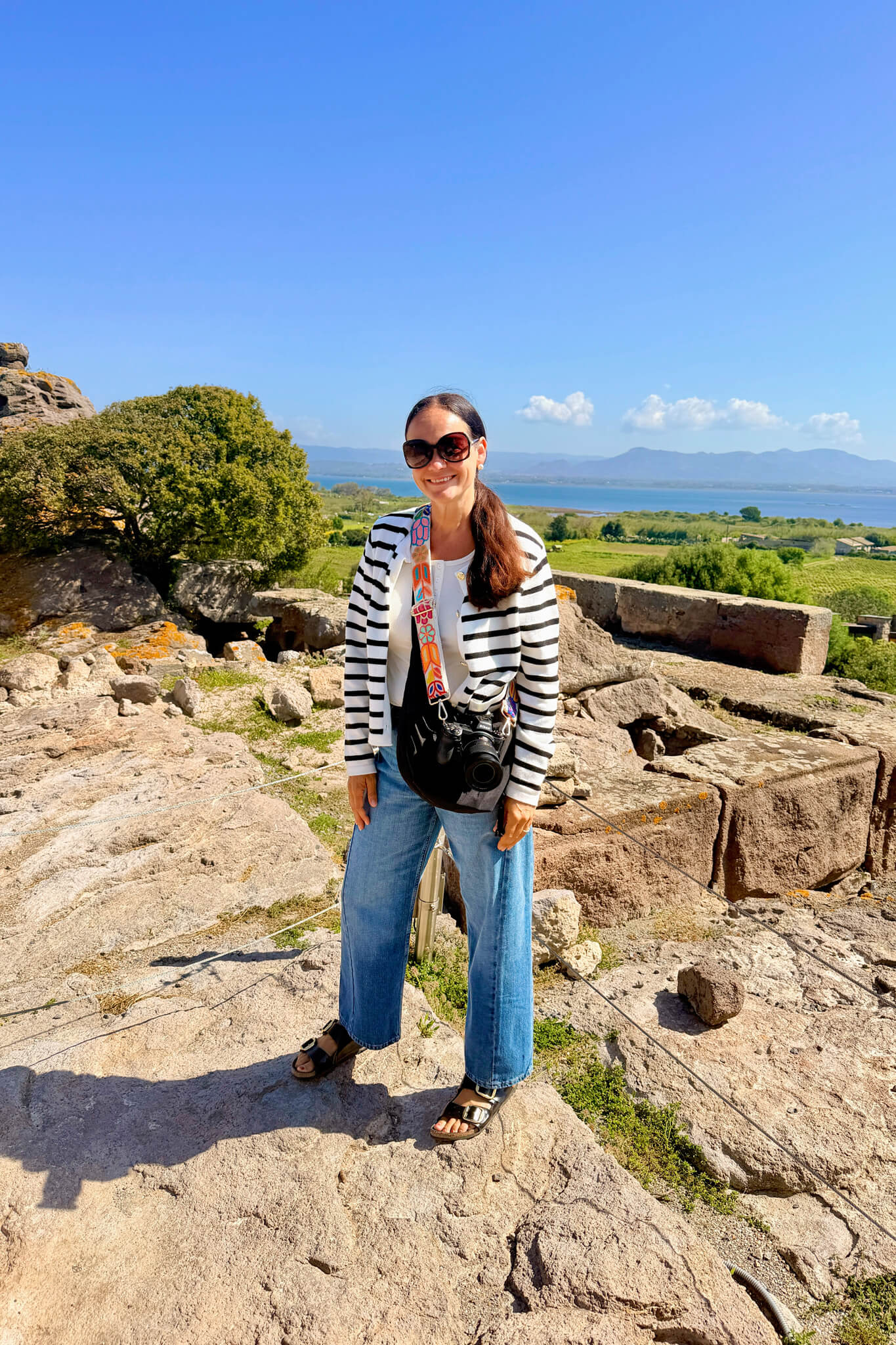
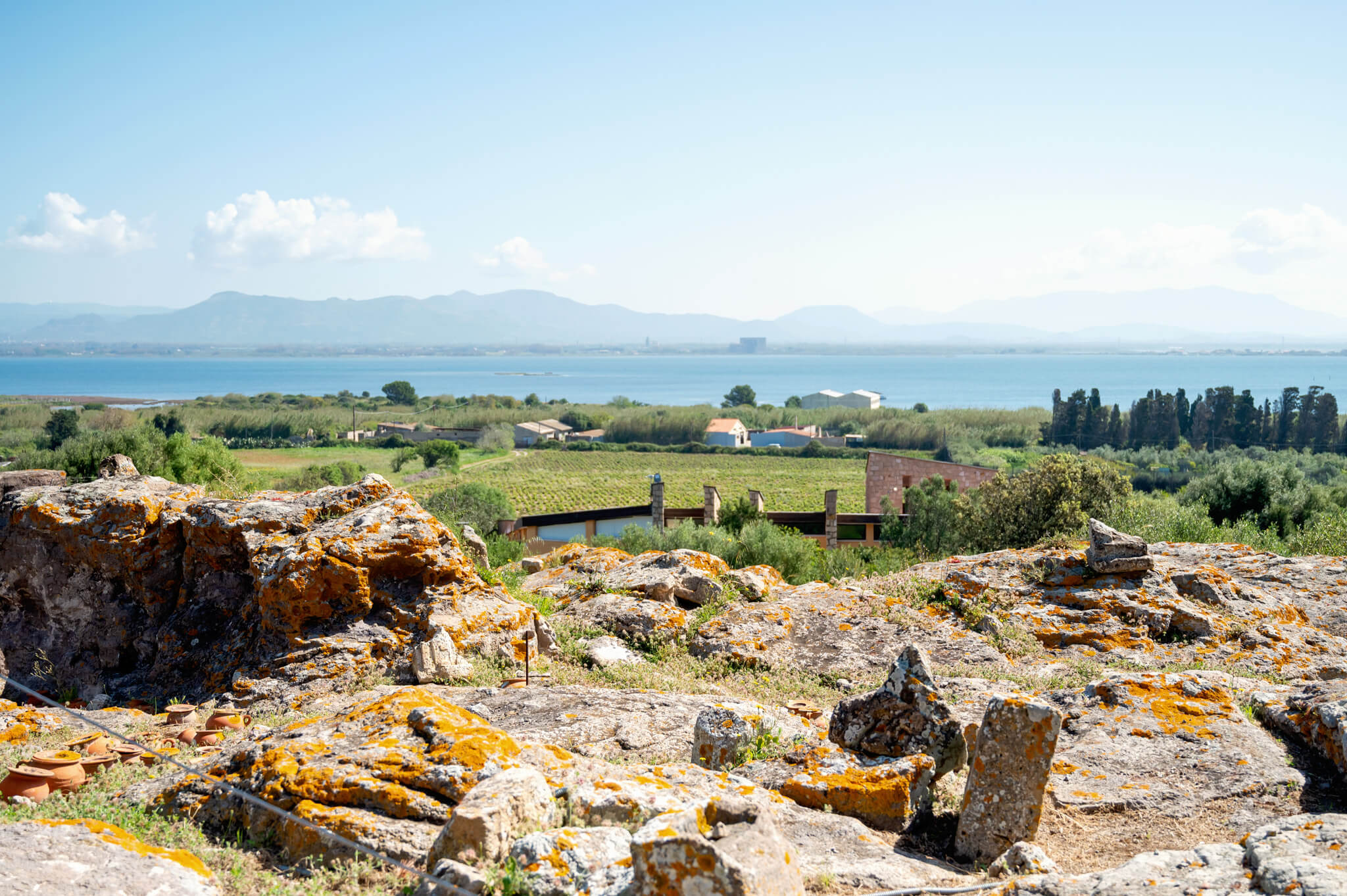
You will also find archaeological remains scattered throughout the rest of the island. Nuraghe S’Ega de Marteddu once controlled access to the Gulf of Maladroxia and remains one of the island’s most impressive Nuragic structures. The Grutti ‘e Acqua complex includes a natural pond, Nuragic remains, and the Tomb of the Giant, while Sa Presonedda is a Punic funerary monument that can still be viewed from Via Eleonora d’Arborea.
One of the most fascinating parts of Sant’Antioco is how naturally archaeology blends into everyday life here. Many ancient ruins, burial chambers, and historical landmarks are not isolated behind gates or in museums. Instead, they remain deeply connected to the modern island itself.
If you are especially interested in the island’s archaeological history, make sure to also read my full guide to the archaeological sites and ancient ruins of Southwest Sardinia.
Take a Boat Tour Around the Islands of Sant’Antioco and San Pietro
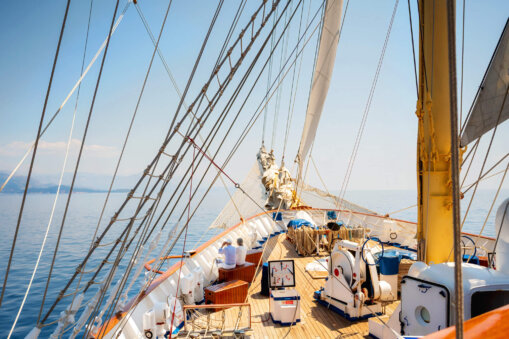
One of the best ways to experience Sant’Antioco is from the water, especially over the summer months! Boat tours around the island and nearby San Pietro reveal a completely different perspective of the coastline, with hidden coves, dramatic cliffs, sea caves, and crystal-clear turquoise water.
Several local operators offer small group excursions, sailing trips, boat tours, snorkeling experiences, and sunset aperitivo cruises throughout the Sulcis Archipelago. Many daytime tours stop at secluded beaches and swimming spots that are difficult to reach by car.
Some excursions even cross over to mainland Sardinia, where you can admire the dramatic cliffs and the historic Porto Flavia mining site directly from the sea. Seeing this industrial archaeology landmark carved into the coastline from a boat is especially impressive and a great photo opportunity!
Many tours also explore sea caves around Sant’Antioco and San Pietro Island, including Grotta delle Sirene, Grotta del Lupo, and Grotta del Soffione, while allowing time for swimming and snorkeling along the coastline.
If I had more time and it were a little warmer, I would have been on at least one of these Sant’Antioco boat tours. And honestly, this is the type of destination where slowing down on a boat for the afternoon just makes sense. The boating culture here runs deep, and much of daily life still feels closely connected to the sea.
You will also find opportunities for kayaking, windsurfing, kitesurfing, and stand-up paddleboarding around the island, especially during the warmer summer months.
Visit Carloforte and San Pietro Island
One of the easiest day trips from Sant’Antioco is a visit to Carloforte on nearby San Pietro Island. Ferries run regularly from Calasetta, making it simple to spend the day exploring this colorful harbor town and its surrounding coastline.
Carloforte feels a little different from the rest of Sardinia because of its strong Ligurian influences. The town was founded by Ligurian settlers, and you can still see that influence today in the architecture, local cuisine, and fishing traditions.
The waterfront is lined with seafood restaurants, small boats, and charming pastel buildings. Tuna fishing remains an important part of local culture here, and seafood lovers will find plenty of traditional dishes throughout town.
I imagine that Carloforte is the kind of place where you could spend hours simply wandering the streets, lingering over lunch by the harbor, and watching boats come and go. The entire island has a relaxed Mediterranean atmosphere that feels slower and less touristy than many better-known Italian destinations.
And while I only had limited time there during this trip, I left wishing I had planned at least another full day to explore both Carloforte and San Pietro Island. You could easily spend several days or more in this area, and not run out of places to explore!
Visit Local Wineries in the Sulcis Region
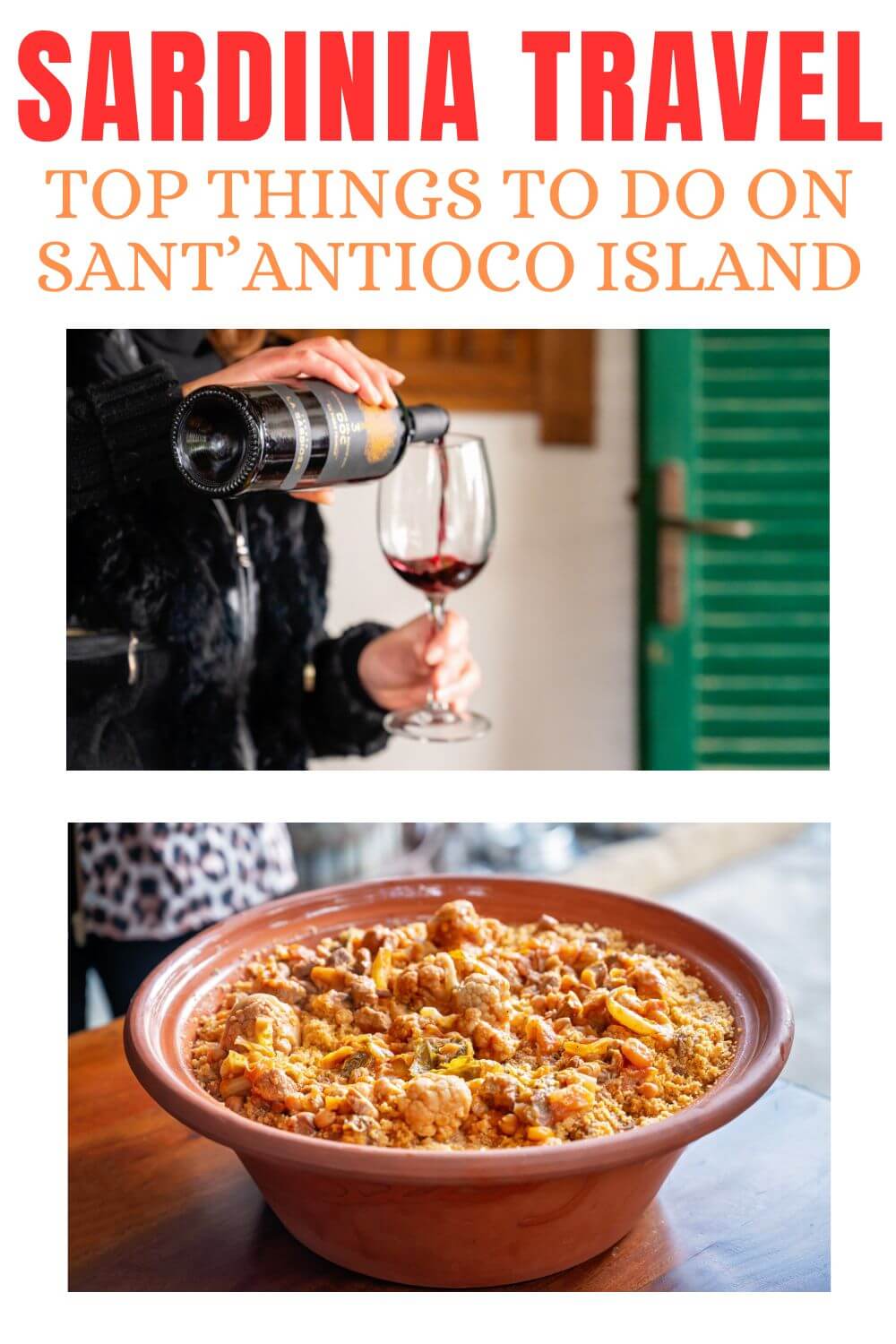
One of the most unique experiences near Sant’Antioco is visiting the local wineries of the Sulcis region. This area is famous for Carignano del Sulcis DOC wines, a bold red wine deeply connected to the island’s history, sandy soils, and coastal climate. Vermentino, a white wine, is also popular here, especially during the warmer summer months.
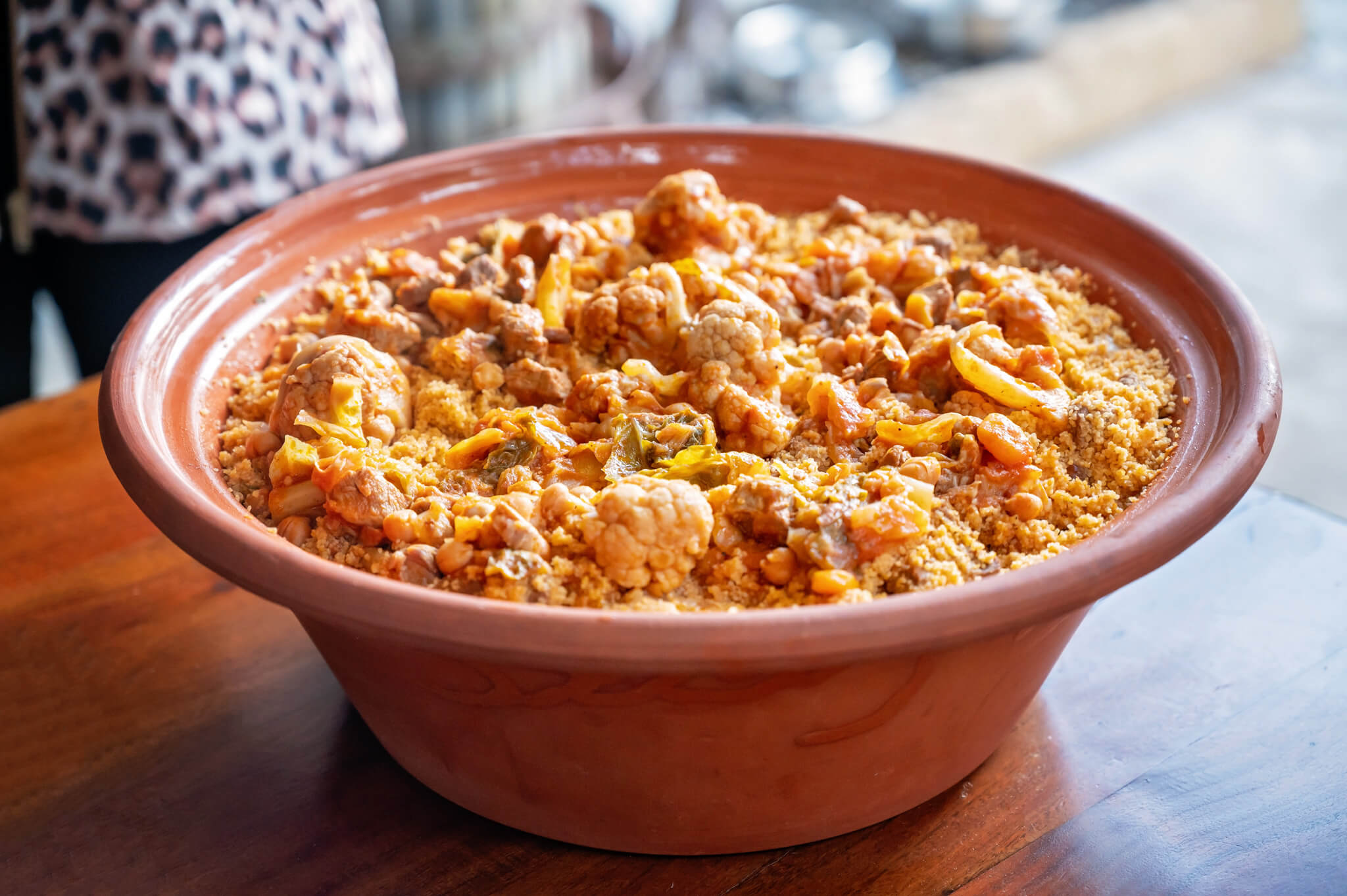
During my trip, I visited Tenuta La Sabbiosa Winery and tasted three of their wines alongside a traditional local couscous dish. The couscous culture in this part of Sardinia reflects the island’s long maritime history and North African influences.
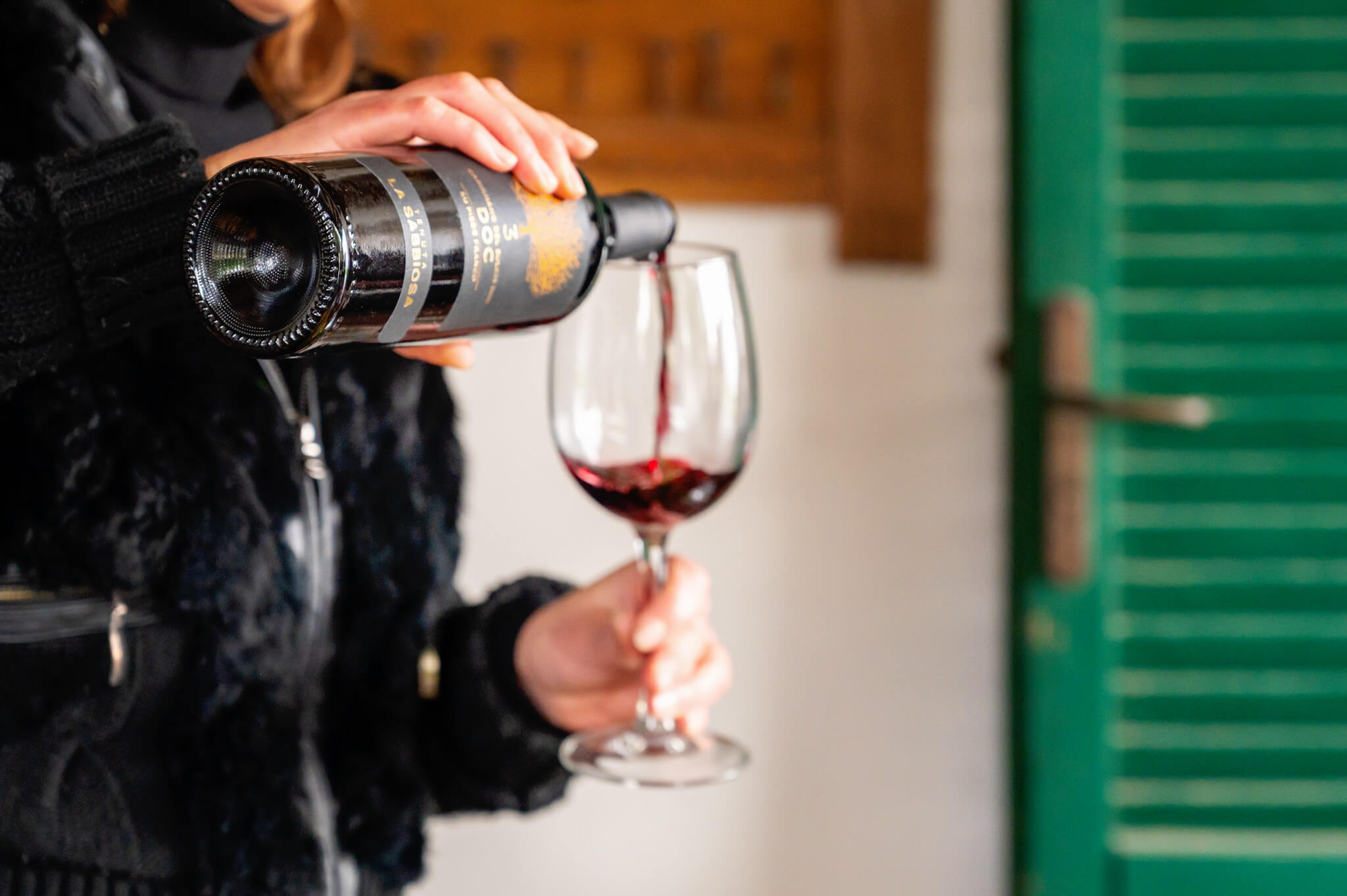
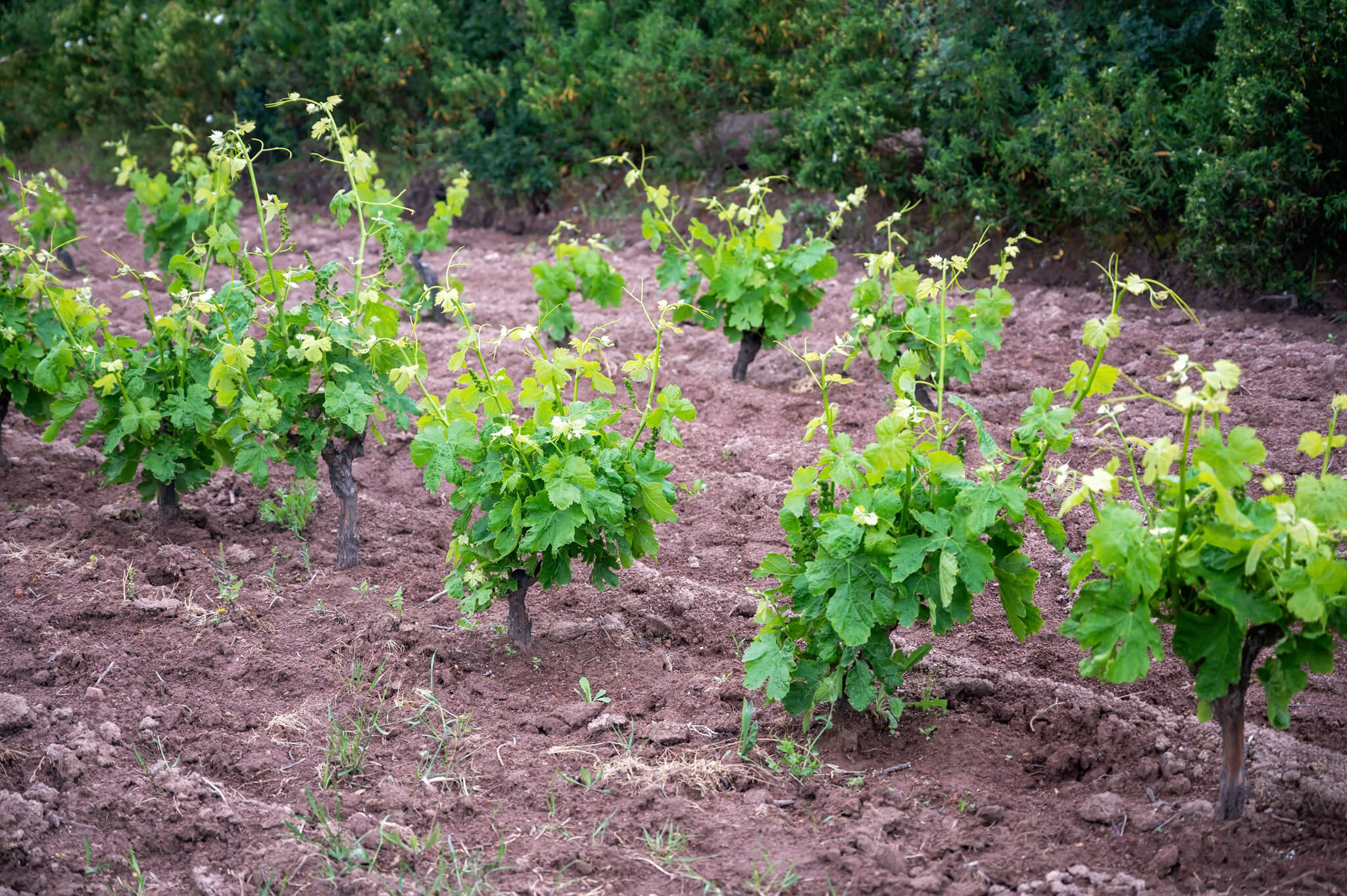
What makes La Sabbiosa especially fascinating is that some of its vineyards still grow on original pre-phylloxera roots. Only a handful of places in the world still preserve these ancient vines. The sandy soil and salty sea winds helped protect the vineyards from the vine disease that devastated much of Europe in the late 1800s.
For centuries, tiny Carignano vineyards covered the dunes around Sant’Antioco. Many disappeared in the 1980s as modern agriculture shifted toward larger production and higher yields. However, a few families continued to preserve these historic vines, helping protect an important part of Sardinian wine culture.
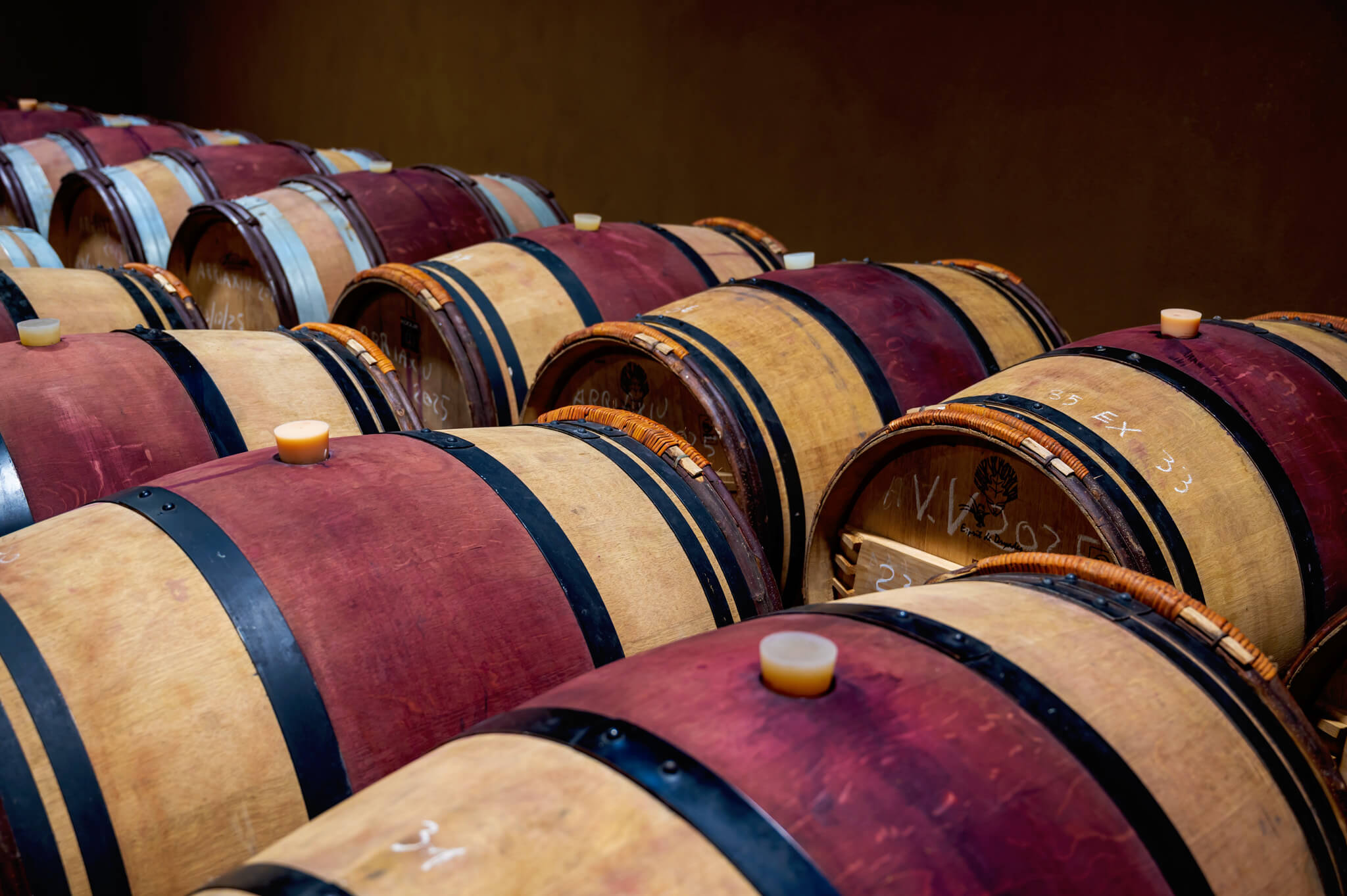
These small wine tastings here feel quite different from larger wine destinations in Italy. The experiences feel slower, more personal, and deeply tied to local traditions, hospitality, and the landscape itself.
This was one of the best red wines that I have ever had. And, I drink a lot of red wine!

Explore the Island of Sant’Antioco by Car, Bike, or Horseback
One of the best things about Sant’Antioco is how easy it is to explore at your own pace. The island is full of winding coastal roads, scenic viewpoints with surprises such as Torre Canai, hidden beaches, and quiet corners that almost encourage you to slow down, take a wrong turn, and see where you end up.
Having a rental car gives you the most flexibility, especially if you want to beach-hop, explore the coastline, or visit smaller villages and archaeological sites scattered across the island. Honestly, some of my favorite moments happened while simply driving between destinations and pulling over to admire the scenery.
That is how we crossed paths with Antonio, the farmer who was so excited to show us his photo in the newspaper!
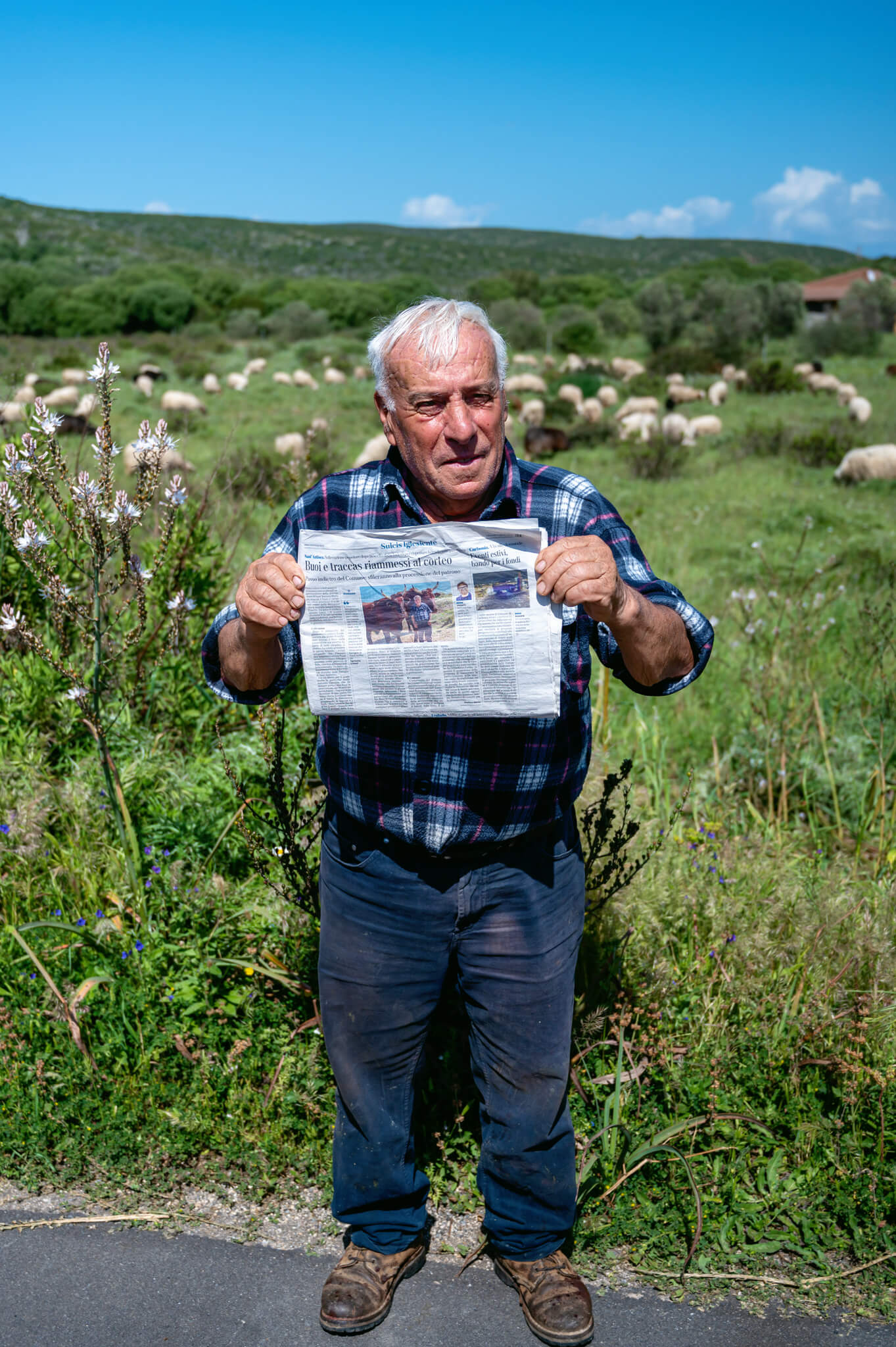
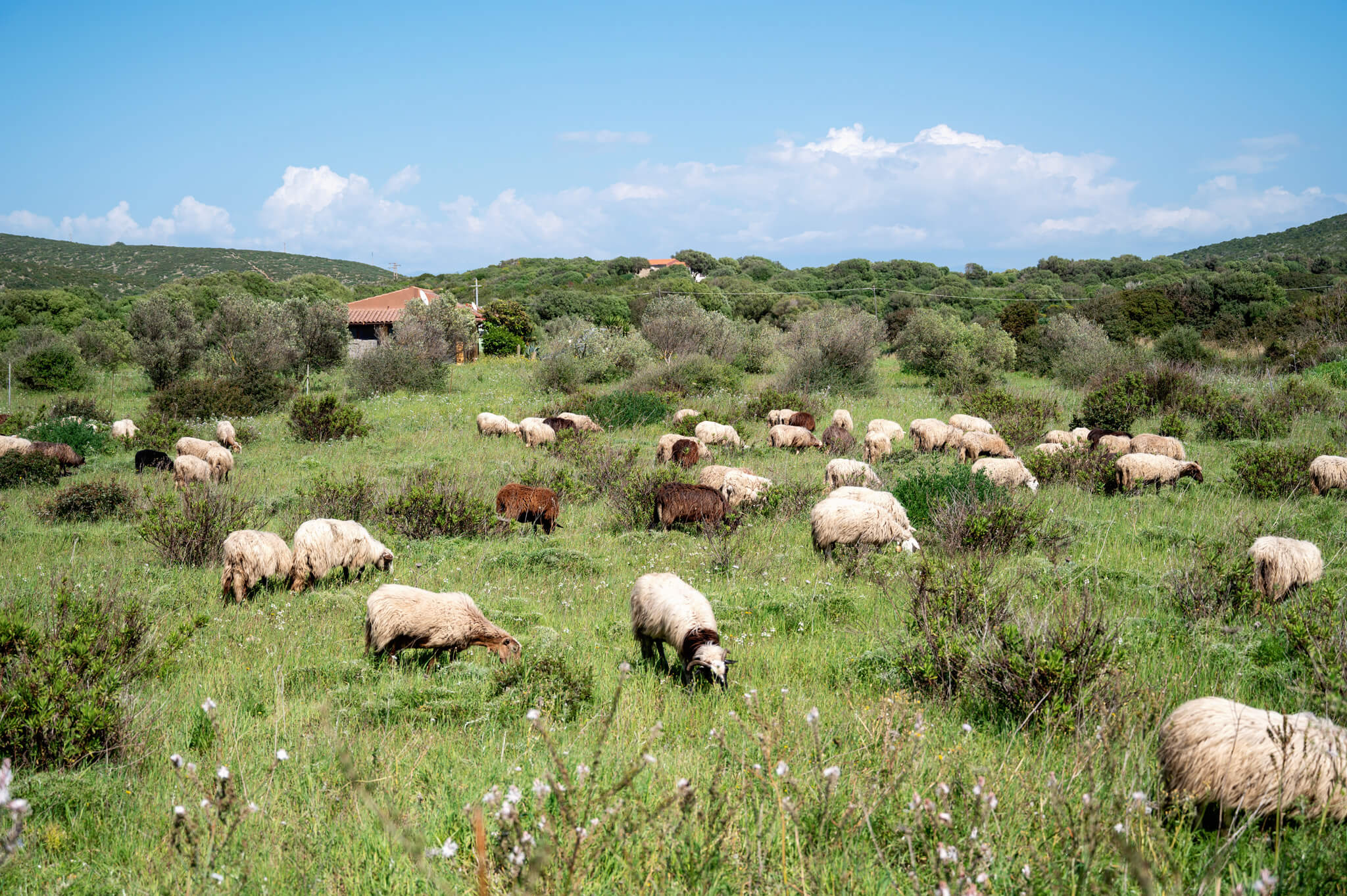
Sant’Antioco is also a fantastic destination for active travelers. You will find opportunities for guided e-bike tours, traditional biking, horseback riding, quad excursions, hiking, kayaking, and stand-up paddleboarding throughout the island.
Several scenic biking routes follow the coastline and lagoons, while hiking trails, such as the Serra Is Tres Portus nature trail, connect beautiful beaches and coastal viewpoints near Maladroxia and Coaquaddus.
And one thing I did not expect to see here? Flamingos! Greater Flamingos gather in the island’s lagoons and wetlands, adding another beautiful layer to the unique landscape.
Sant’Antioco is the kind of destination best experienced slowly. Leave extra time in your itinerary to wander, stop often, and enjoy the journey between destinations just as much as the stops themselves.
Go Fishing and Enjoy the Seafood and Maritime Culture
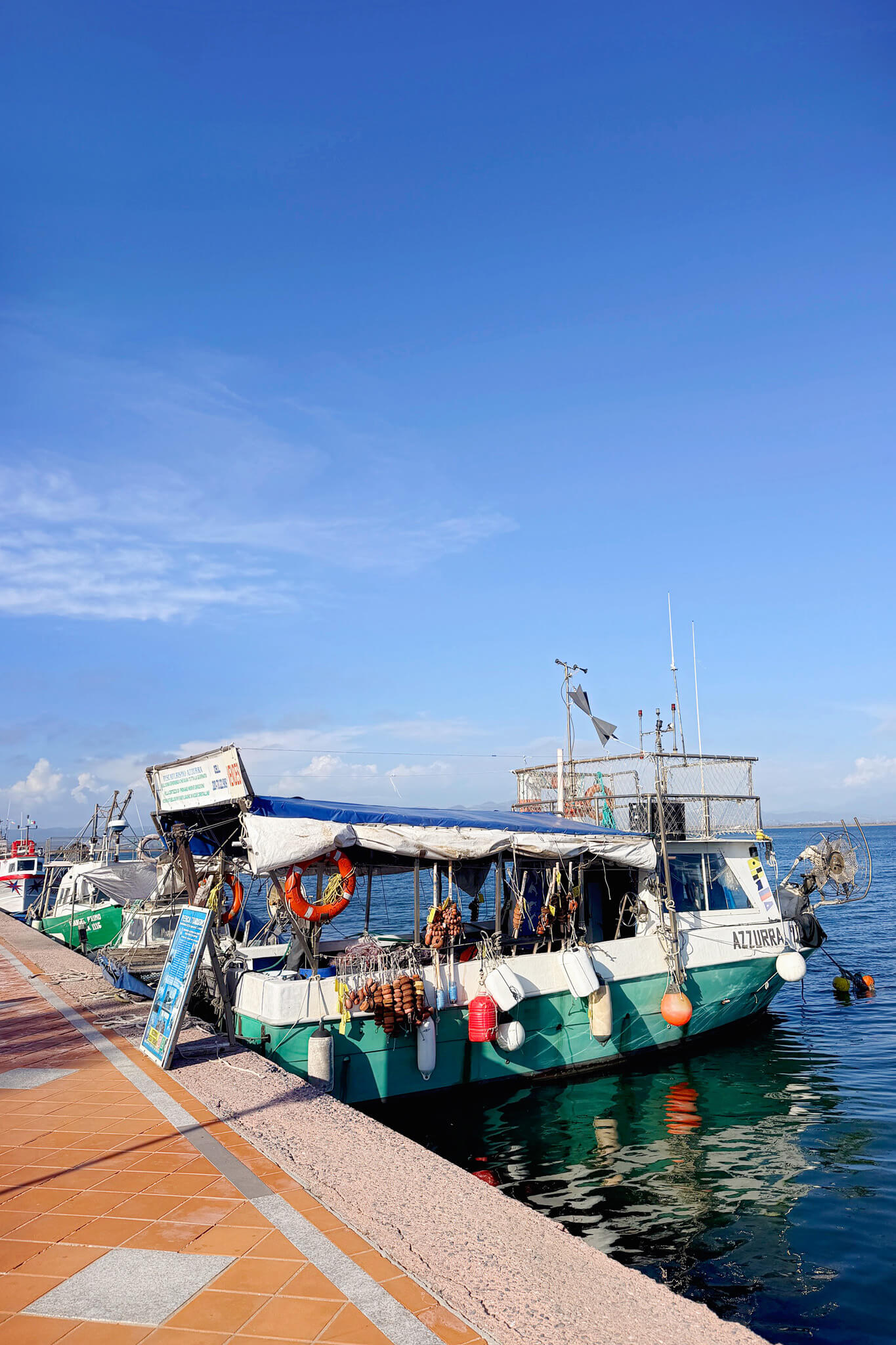
Life on Sant’Antioco has always been deeply connected to the sea. For thousands of years, the people here built their lives around fishing, sailing, boatbuilding, and trade along the Mediterranean. Even today, that maritime identity still shapes the island’s culture, cuisine, and daily rhythm.
Fishing tourism is also becoming a popular experience around Sant’Antioco. During my home dinner at Da Zia Pinuccia, the three men seated at our table were actually visiting the island for a fishing trip and heading out on the water early the next morning.
Seafood naturally plays a huge role in the local food scene. Menus throughout Sant’Antioco and nearby Carloforte feature fresh tuna dishes, seafood pasta, octopus, shellfish, and bottarga, a cured fish roe that is especially popular across Sardinia. Many restaurants pair these dishes with local Carignano or Vermentino wines.
If you are interested in the island’s maritime history, you can also visit the MuMA Museum of the Sea and Shipwrights in Sant’Antioco. The museum highlights the island’s long history of sailing, fishing, and traditional boatbuilding, which have helped shape this corner of the Mediterranean for centuries.
Take a Day Trip Through Southwest Sardinia
While there is plenty to do directly on Sant’Antioco, the island also works beautifully as a base for exploring more of Southwest Sardinia. Some of the region’s most fascinating archaeological sites, wineries, mining landscapes, and coastal viewpoints are all within a relatively easy drive.
Literally, right across the bridge, you can visit the salt pans of Sant’Antioco!
You could easily spend a day visiting places like Porto Flavia, the Temple of Antas, Monte Sirai, or the wineries and mining villages scattered throughout the Sulcis-Iglesiente region. The scenery changes constantly, from rugged cliffs and turquoise coastline to mountains, vineyards, and quiet rural landscapes.
The southwest part of Sardinia feels much larger and more diverse once you start exploring beyond the island itself. And because tourism is still relatively light here, many places remain authentic, uncrowded, and deeply connected to local culture and history.
Do You Need a Car on Sant’Antioco?
Yes, I highly recommend renting a car when visiting Sant’Antioco. While you can technically reach the island by train to Cagliari and then bus, having your own vehicle gives you far more flexibility to explore the beaches, coastal viewpoints, wineries, hiking trails, and smaller towns scattered throughout Southwest Sardinia.
Most travelers will fly into Cagliari Elmas Airport and drive about 90 minutes to Sant’Antioco. The drive itself is relatively easy and becomes part of the experience once you leave the city behind and start passing vineyards, salt flats, lagoons, and rugged coastal landscapes.
You can also combine train travel with a rental car if you prefer. Some travelers take the train from Cagliari before renting a car later in the trip. However, for this particular destination, I personally think having a car from the beginning makes things much easier.
Where To Stay on the Island of Sant’Antioco
Where you stay on Sant’Antioco really depends on the type of trip you’re planning. Some travelers may prefer to stay directly in town, near the waterfront and restaurants, while others may want beach access, quieter scenery, or easier ferry connections to nearby islands.
Hotels in Sant’Antioco Town
The town of Sant’Antioco is well-suited to travelers who want walkability, restaurants, waterfront views, and easy access to the island’s archaeological sites. This is where we stayed during our trip, and I enjoyed walking along the marina, grabbing coffee in the mornings, and exploring town in the evenings.
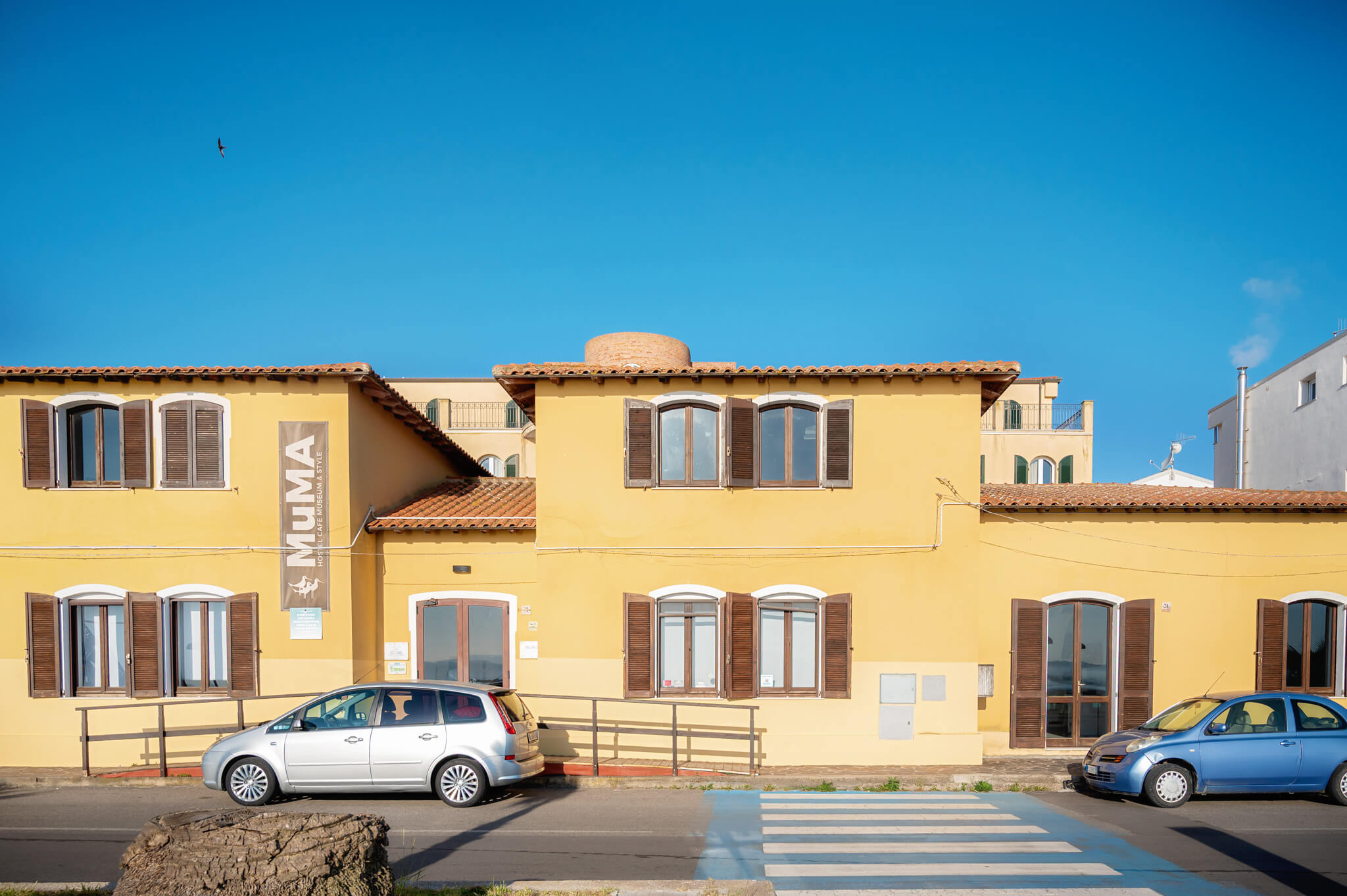
We stayed at MuMA, which is connected to the Museum of the Sea and Shipwrights. While the hotel itself was fairly basic, the location was convenient for exploring the island. There are many restaurants and attractions nearby. You will also find a mix of boutique hotels, guesthouses, apartments, and smaller waterfront stays throughout town.
Hotels and Stays in Calasetta, Sardinia
Calasetta may be a great fit for travelers looking for a slower coastal atmosphere with easier access to beaches, sailing excursions, and the ferry to Carloforte.
You will find a mix of boutique hotels, apartments, guesthouses, and smaller beach accommodations throughout the area. So, if your trip is more focused on boating, island hopping, and spending evenings near the harbor, Calasetta could make a fantastic home base.
Sant Antioco Beach Hotels and Coastal Accommodations
If your priority is spending time at the beach, you may prefer to stay closer to the coast, around Maladroxia or other nearby beaches. This part of the island offers easier access to swimming, snorkeling, beach clubs, and coastal scenery. But note that many of these areas and hotels are seasonal and quieter, especially outside of peak summer months.
San Pietro vs Sant’Antioco Islands
Some travelers may also consider splitting time between Sant’Antioco and nearby Carloforte on San Pietro Island. While Sant’Antioco feels larger, more spread out, and better connected for road trips around Southwest Sardinia, Carloforte offers a smaller harbor-town atmosphere with colorful streets, seafood restaurants, and a stronger island village feel.
The ferry between Calasetta and Carloforte makes day trips very easy, but I could also see the appeal of spending a few nights in both destinations. Personally, if I return to this area, I would probably split my stay between Calasetta and Carloforte to experience both, as I have already stayed in Sant’Antioco.

Enjoy Visiting Sant’Antioco, Sardinia
Sant’Antioco may not be the most famous destination in Italy, but that is part of what makes it feel so special!
Between the ancient archaeology, rugged coastline, fresh seafood, local wine, and slower pace of life, Sant’Antioco offers a side of Sardinia that still feels authentic and deeply connected to its roots. Some days might be filled with beach hopping and boat tours, while others are spent lingering over dinner, wandering the waterfront, or driving quiet coastal roads with no real plan at all.
If you are searching for a more relaxed and less touristy corner of Italy, Sant’Antioco may end up being one of your favorite discoveries in Sardinia!
Click here to browse more things to do on the island of Sant’Antioco!
More Italy Travel Inspiration
Planning more Italy travel adventures? Check out all my Italy travel guides and resources to help you plan your trip.
Hi, I’m Sarah! And, everything I publish here at Our Little Lifestyle is written by me, based on my first-hand travel experiences, with original photography and travel tips!
Here are some other articles that you may enjoy:
- My Italy Packing List
- Europe Travel Essentials
- Find Flight Deals for Italy
- Venice Water Bus Guide
- Visiting the Pantheon
- Colosseum Tours We Love
- Glass Blowing in Murano
- Franciacorta Wine Region
- Lake Iseo and Monte Isola
- Visiting Camogli, Italy
- Ancient Ruins in SW Sardinia
- Cinque Terre Travel Guides
Pin Things to Do on Sant’Antioco for Later