We may earn money or products from the companies mentioned in this post. As an Amazon Associate, I earn from qualifying purchases.
Last Updated on May 16, 2026 by Sarah
Did you know that Sant’Antioco, in Southwest Sardinia, is recognized as Italy’s oldest urban settlement? In fact, it’s one of the longest continuously inhabited towns in the Mediterranean! I recently had the opportunity to visit this lesser-known part of Sardinia, using Sant’Antioco as my home base. While there, we visited some of the most incredible ancient ruins and archaeological sites in Southwest Sardinia.
The layered history and rich civilizations that have called this area home have left footprints that rival those of Italy’s most popular historical sites. Yet, so many people don’t even know that they exist!
Today, I want to share some of the archaeological gems located in the Sulcis-Iglesiente region of Sardinia. Many of these I saw with my own eyes, and others remain on my bucket list for the next trip.
Many of these sites are part of the Parco Storico Archeologico Sant’Antioco. Beyond that, there is a broader network of archaeological sites in Southwest Sardinia, including museums, necropolises, ancient ruins, catacombs, caves, mines, and other cultural heritage attractions spanning the entire region.
First, I will give you a little bit of background and context on this region, with some quick tips. Next, I will jump into a numbered list of archaeological sites in Southwest Sardinia. Then I want to offer some travel tips for navigating this part of Sardinia!
I was hosted and joined by other travel journalists on this trip. As always, all thoughts, opinions, experiences, and photos are my own!
Why Southwest Sardinia Is One of Italy’s Most Authentic Regions
From the Carignano del Sulcis wines, produced from ancient vines, to the unspoiled wild coastline, this part of Italy felt slower and more authentic to me than other, more popular Italian tourist destinations. I think that’s because the people visiting this area are here for the raw stories and genuine cultural experiences.
When you peel back modern Sant’Antioco, you uncover stories literally woven directly into the landscape itself. This slower, more authentic side of Sardinia is such a hidden gem for travelers looking to get off the beaten path. Everyone says they want that, right? Well, here you go!
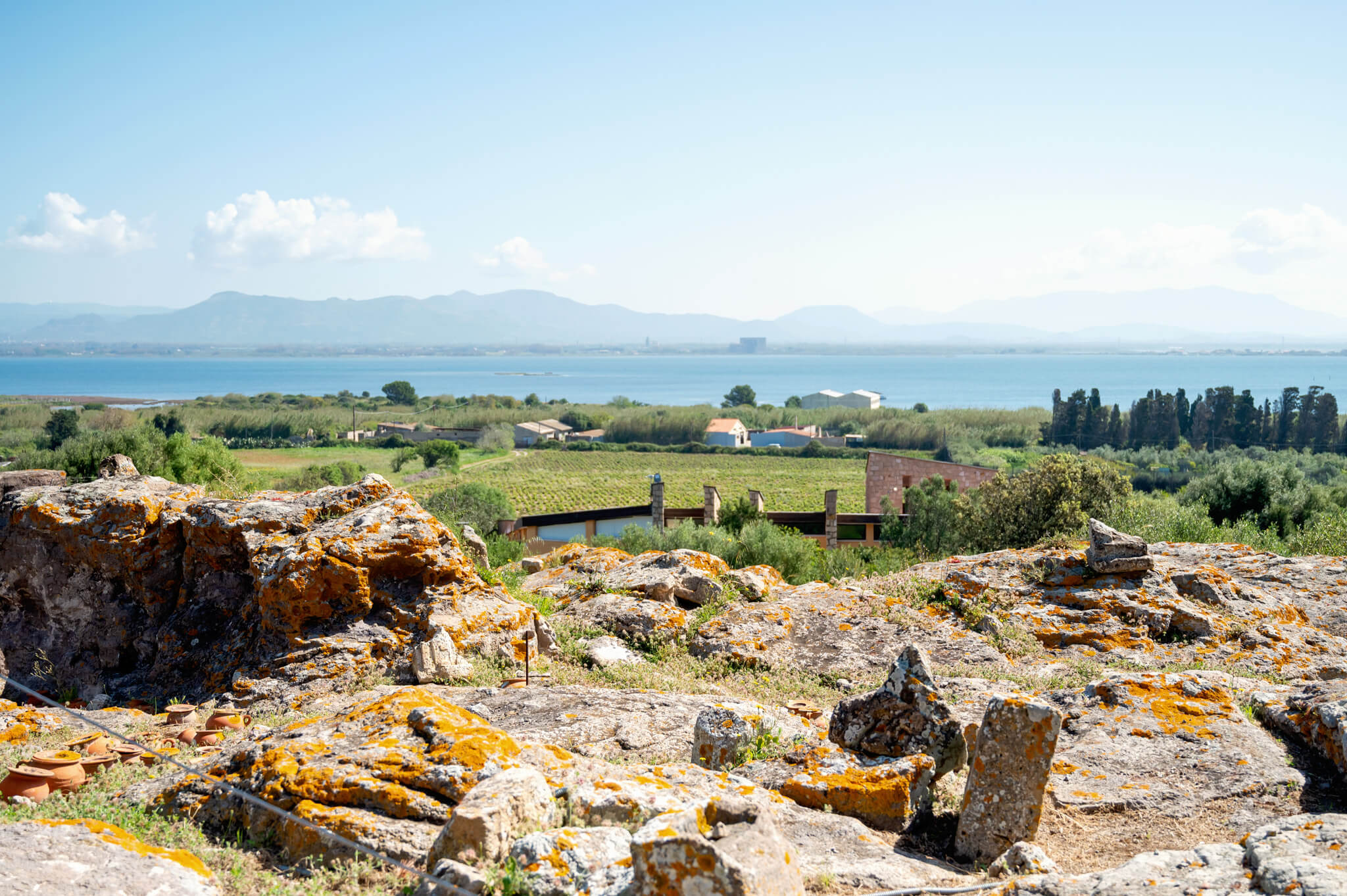
In thinking about which type of traveler I would send to Southwest Sardinia, it would be someone who likes to be active, learn about history, savor local foods and wines, explore rugged coastlines, and maybe someone at home in the salt air, whether it be fishing or sailing. There is also a huge road biking culture in this area!
And for couples like Matt and me, Southwest Sardinia offers something for both of us. He would be enthralled by these historical sites, mining history, and hiking and biking opportunities. I would be more into the incredible wine, charming towns, sailing trips, and walking along the stunning beaches. So, the Sulcis-Iglesiente region offers a great mix of activities for like-minded couples, friends, and families, too!
While this article focuses on the ancient ruins and archaeological sites in Southwest Sardinia, my next post shares more about what to do on the island of Sant’Antioco!
Quick SW Sardinia Planning Tips
Short on time? Make sure to pin this Sardinia travel guide for later. And here are a few things you need to know about visiting this part of Italy!
- Closest airport: Cagliari (CAG)
- Best home base: Sant’Antioco
- Need a car: Yes, strongly recommended
- Best for: history lovers, active travelers
- Time needed: 2–4 days minimum
- Add on: Cagliari or Northern Sardinia
Ancient Ruins and Archaeological Sites in Southwest Sardinia
If you’re interested in ancient history, sacred landscapes, and lesser-known parts of Europe, there are some fascinating archaeological sites and ancient ruins to explore across Southwest Sardinia. From prehistoric sacred sites and Nuragic complexes to Phoenician-Punic settlements, Roman temples, and modern-day mining heritage, there is no shortage of places to see in the Sulcis region!
So, let’s dig in! These are in no particular order, except for #1, which I highly recommend making your very first stop when arriving in Sant’Antioco, Sardinia!
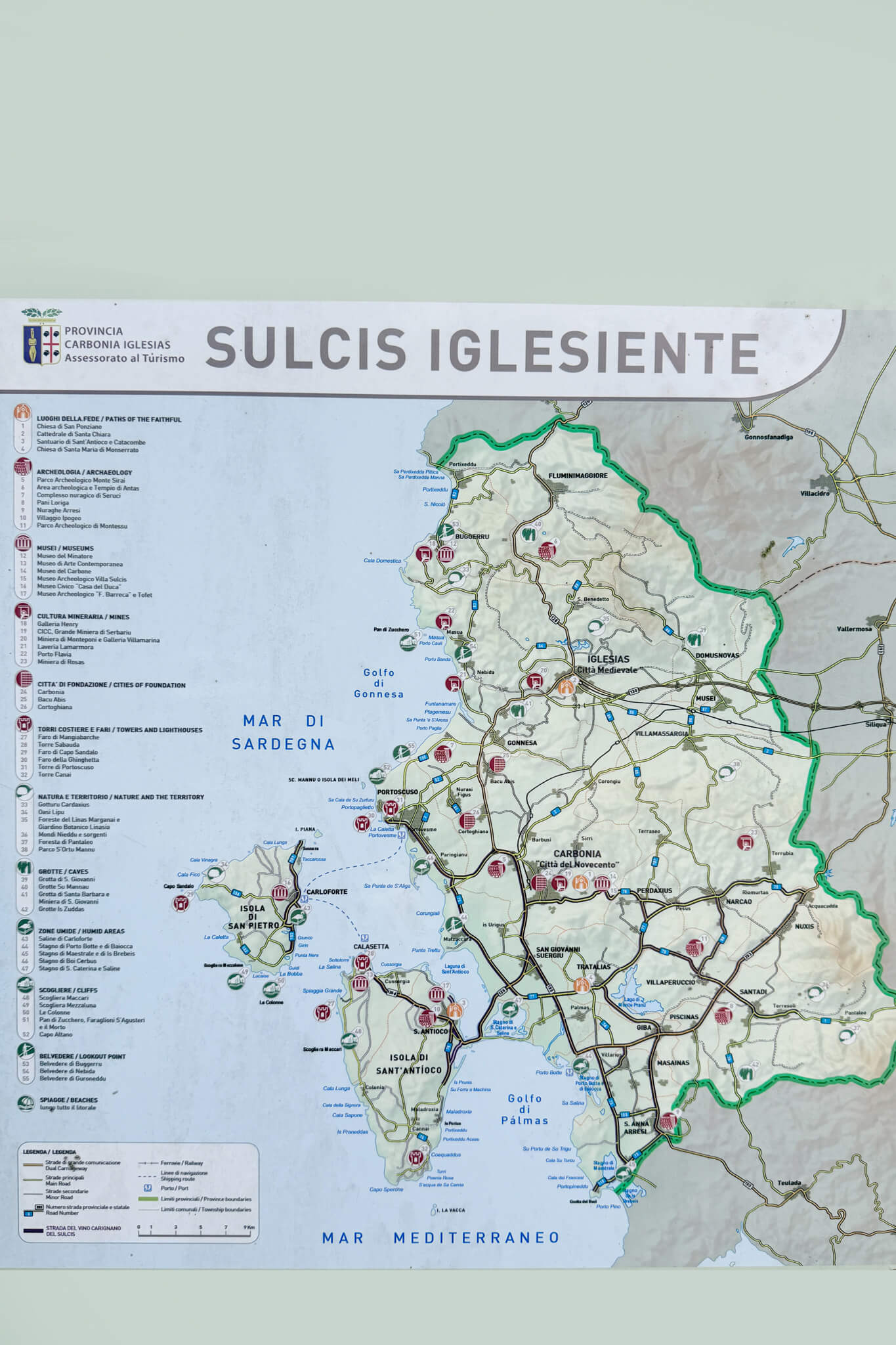
Most of these sites are located in the Carbonia and Iglesias areas of Southwest Sardinia and can be easily found on Google or Apple Maps. Please check the websites directly for updated hours of operation, admission prices, tour options, and additional visitor information.
What is a Nuraghe?
You will see me mention quite a few nuraghes. These are ancient megalithic stone towers found exclusively on the Italian island of Sardinia. You can find the remains of over 7000 of them scattered across Sardinia! Some of these remain simple towers, while others have been expanded into larger complexes.
#1 Museo Archeologico Ferruccio Barreca in Sant’Antioco
If you only visit one museum while exploring Southwest Sardinia’s archaeological sites, make it the Museo Archeologico Ferruccio Barreca in Sant’Antioco. Honestly, I think this should be your very first stop before visiting any of the ancient ruins scattered throughout the Sulcis-Iglesiente region.
One of the biggest challenges when exploring Southwest Sardinia is understanding how these civilizations connect together. It’s such a layered landscape!
Throughout this region, you will hear references to the Nuragic, Phoenician, Punic, and Roman civilizations, often all within the same archaeological site. We visited this museum on day two. That said, had it been our first stop, it would have given the first day’s sites a bit more context.
Located in the town of Sant’Antioco, the museum showcases archaeological finds dating from the Neolithic period onward and helps tell the story of the ancient city of Sulky (later called Sulci), one of the most important Phoenician, Punic, and Roman settlements in Sardinia. Over the centuries, the city evolved into a major cultural and social center in the region.
Exhibits at the Sant’Antioco Archeology Museum
One of my favorite features of the museum was the introductory video presentation. It visually shows how the city transformed and expanded through each civilization and historical period. It really helped connect the timelines when visiting the archaeological sites in Southwest Sardinia ourselves.
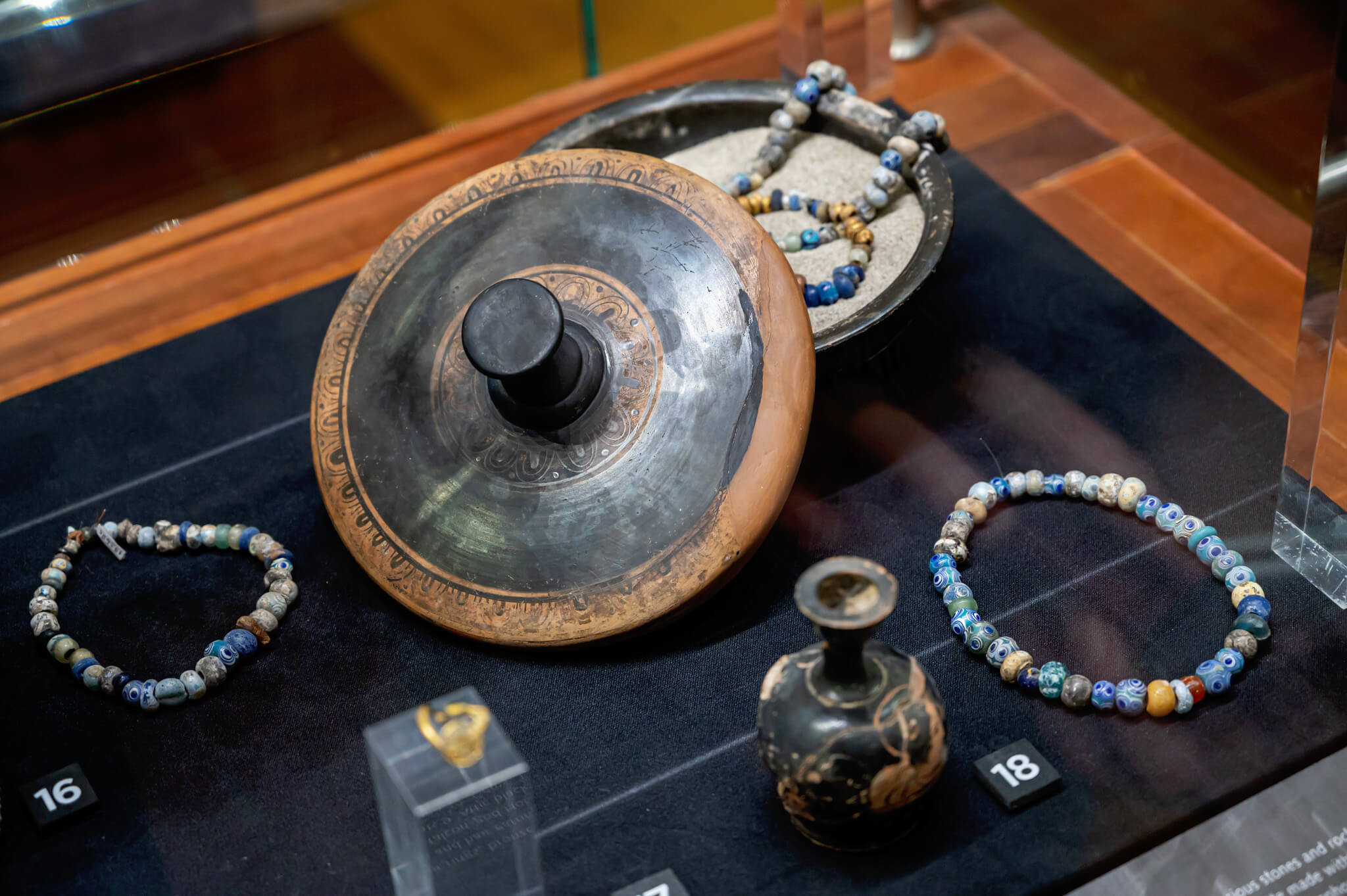
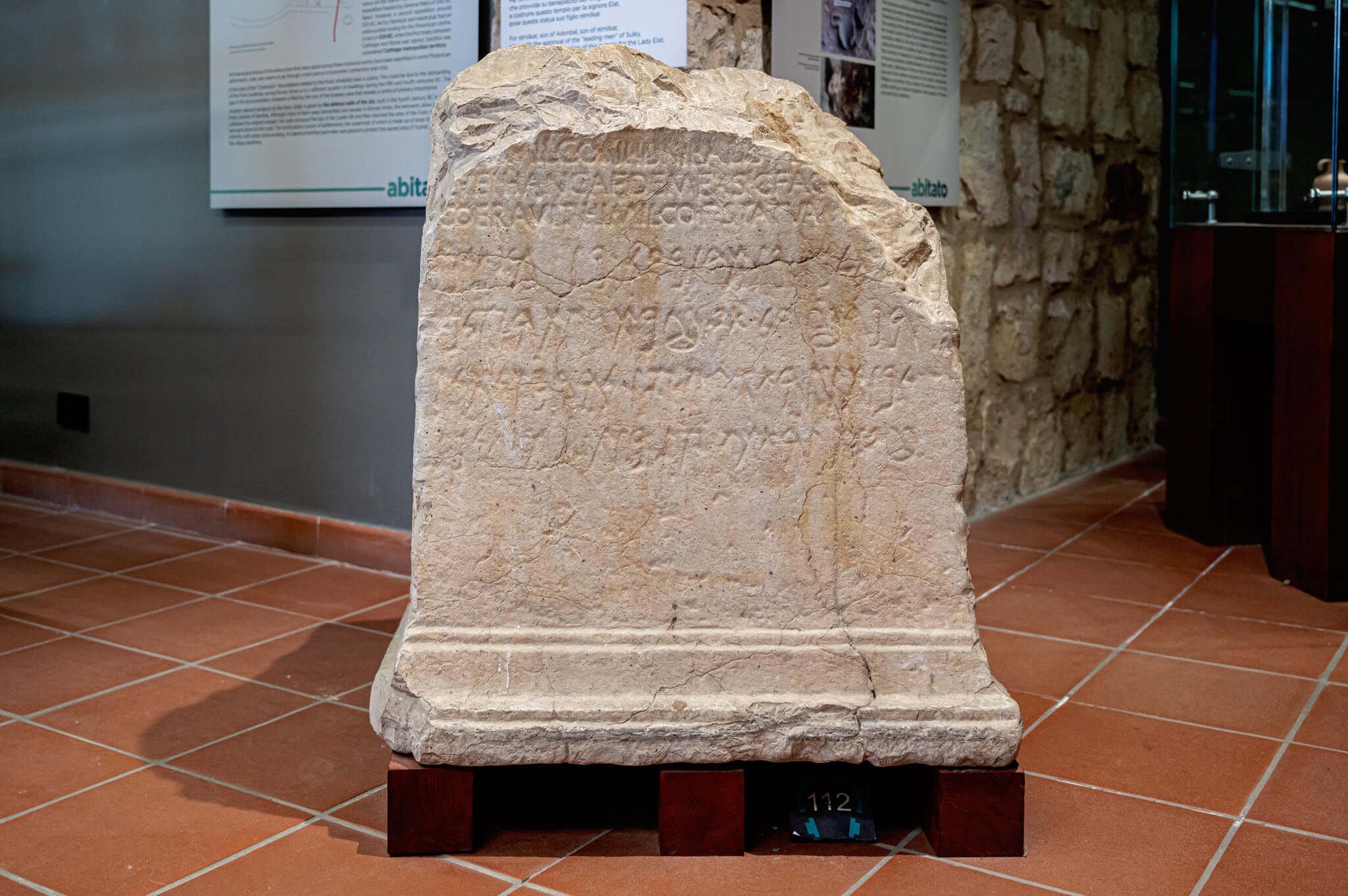
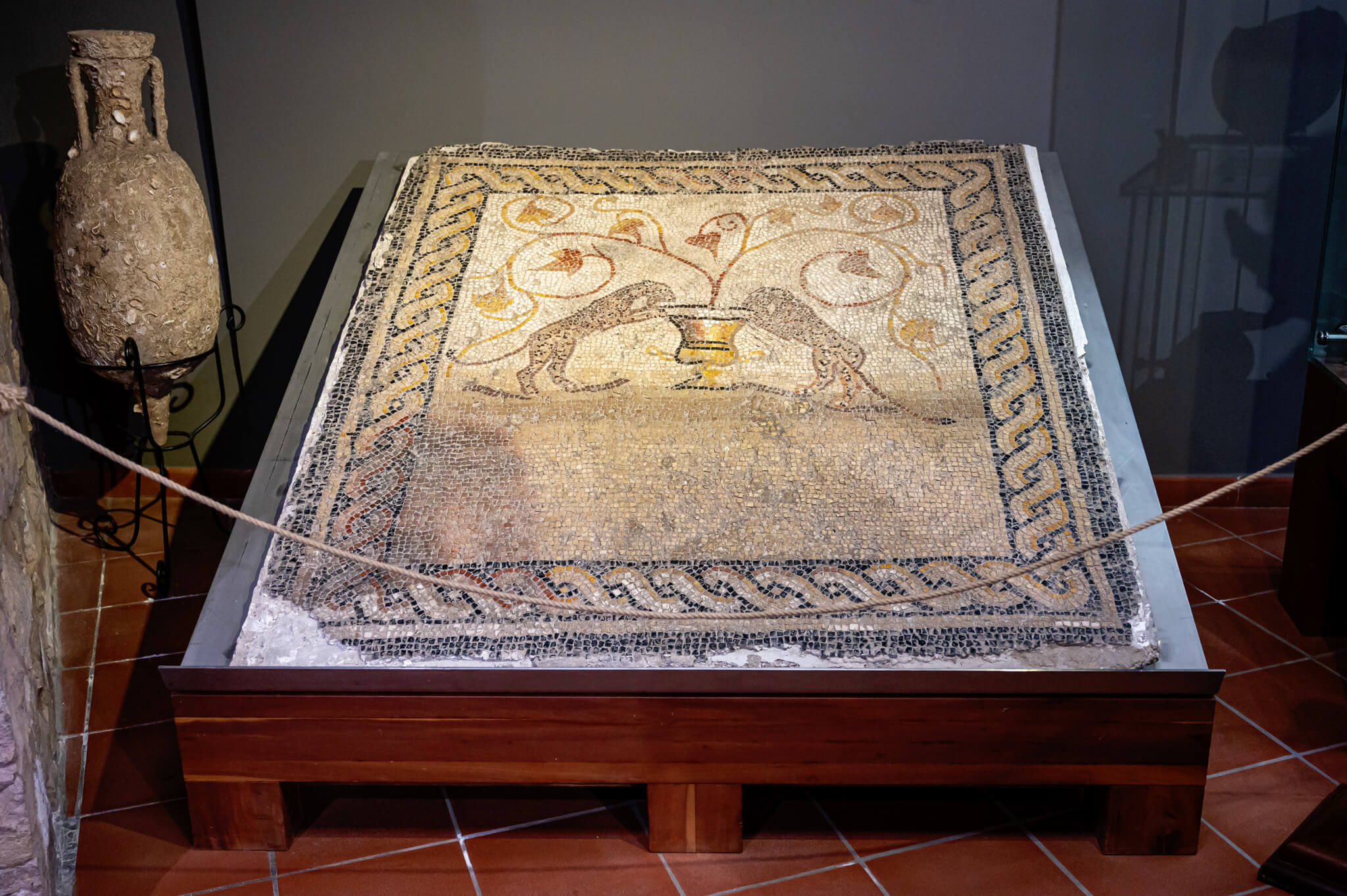
Inside the museum, you’ll find artifacts, exhibits, and historical context tied to many of the sites in Sant’Antioco and throughout Southwest Sardinia, making it an incredibly valuable introduction to the Sulcis region.
The museum also connects directly to several nearby archaeological sites, including ancient burial grounds and excavation zones still under study today. I am including all of these together in the next section.
Another thing I liked about this stop is how easy it is to visit. The museum and the following sites are centrally located in the modern town of Sant’Antioco and can easily be paired with lunch, shopping, or simply walking around town afterward. It’s a great starting point before heading deeper into the archaeological landscapes of Southwest Sardinia.
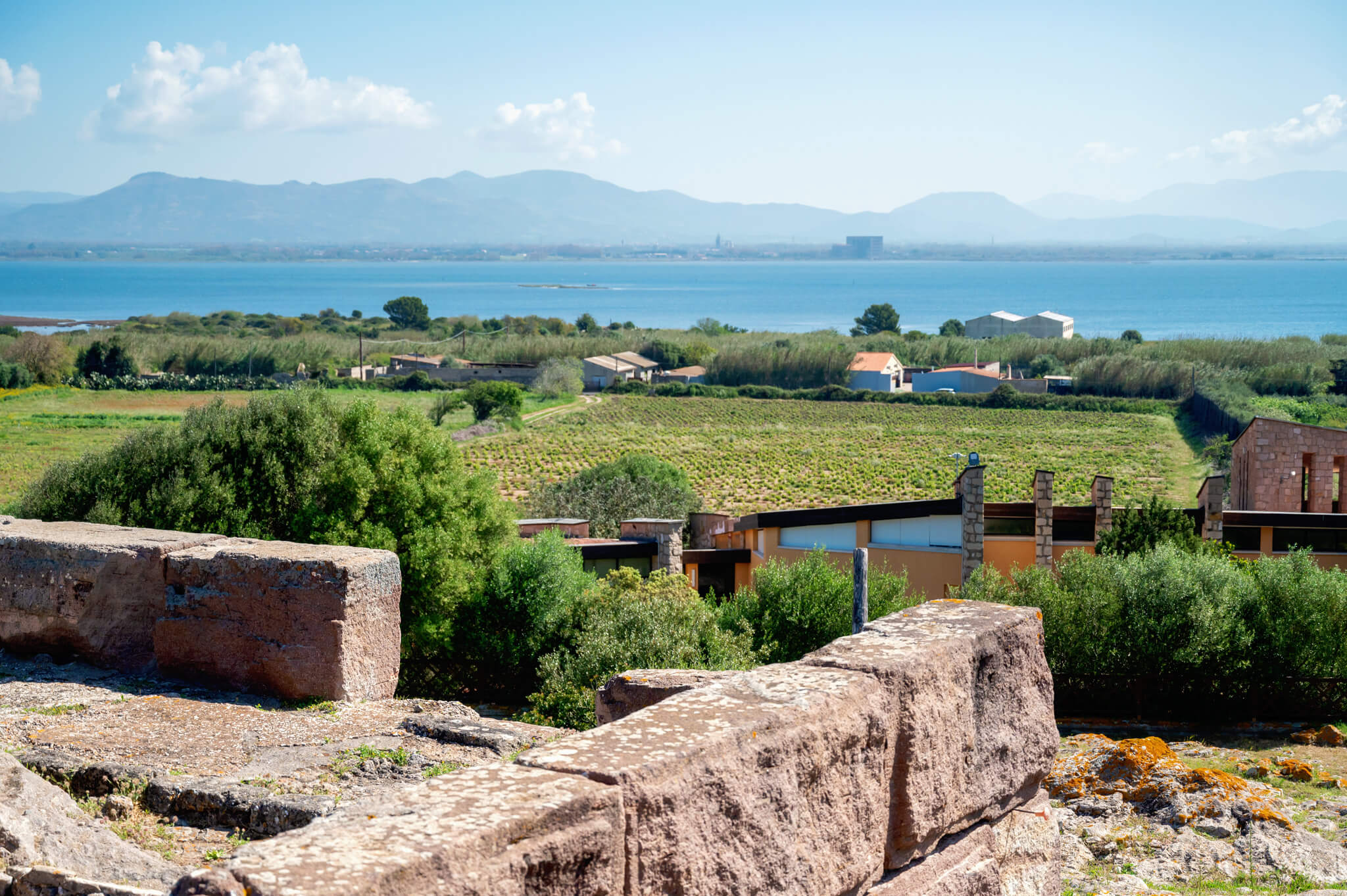
#2 Archaeological Sites of Ancient Sulci in Sant’Antioco
Beyond the museum itself, the town of Sant’Antioco is essentially one large layered archaeological zone. As we explored the area, it became clear that history here is not confined to one single site or ruin. Instead, ancient civilizations are woven directly into the modern town and surrounding landscapes.
The ancient city began with the Phoenicians, who arrived from present-day Lebanon and established the settlement of Sulky, one of the oldest cities in the Mediterranean. Over time, the city evolved through the Punic and Roman periods, when the town became Sulci, leaving behind a remarkable collection of archaeological sites that can still be visited today in modern Sant’Antioco.
Here are some of the sites to see; you can access them with à la carte tickets or with a combo ticket that includes the museum above.
Sant’Antioco Tofet
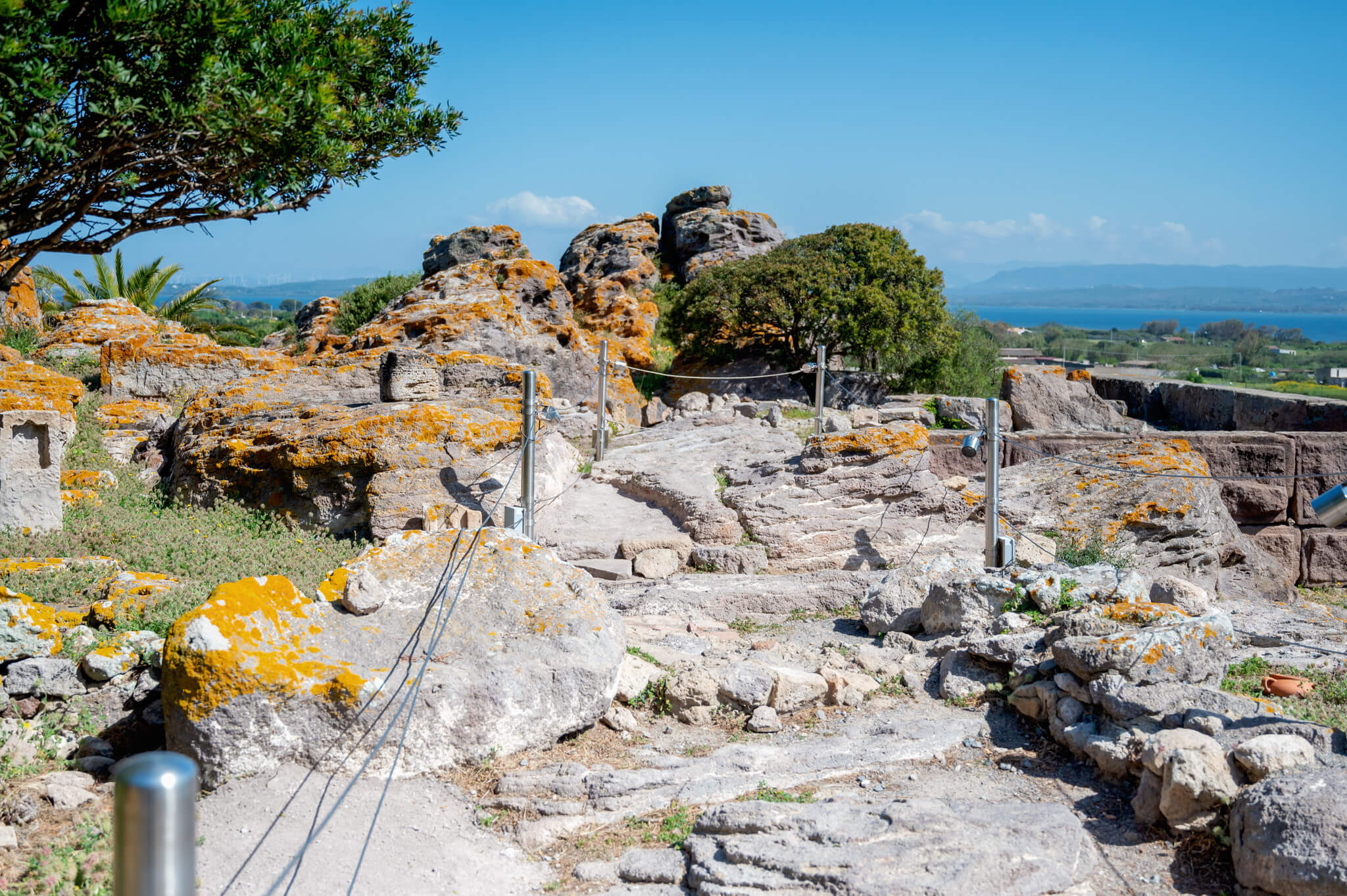
One of the most fascinating places we explored was the Sant’Antioco Tofet. This sacred area was dedicated to the goddess Tanit and the god Baal Hammon during the Phoenician and Punic eras. Archaeologists uncovered urns and burial remains here connected to ceremonial rituals involving stillborn babies and young children, making it one of the most historically significant sacred areas in ancient Sulky.
Phoenician-Punic Necropolis
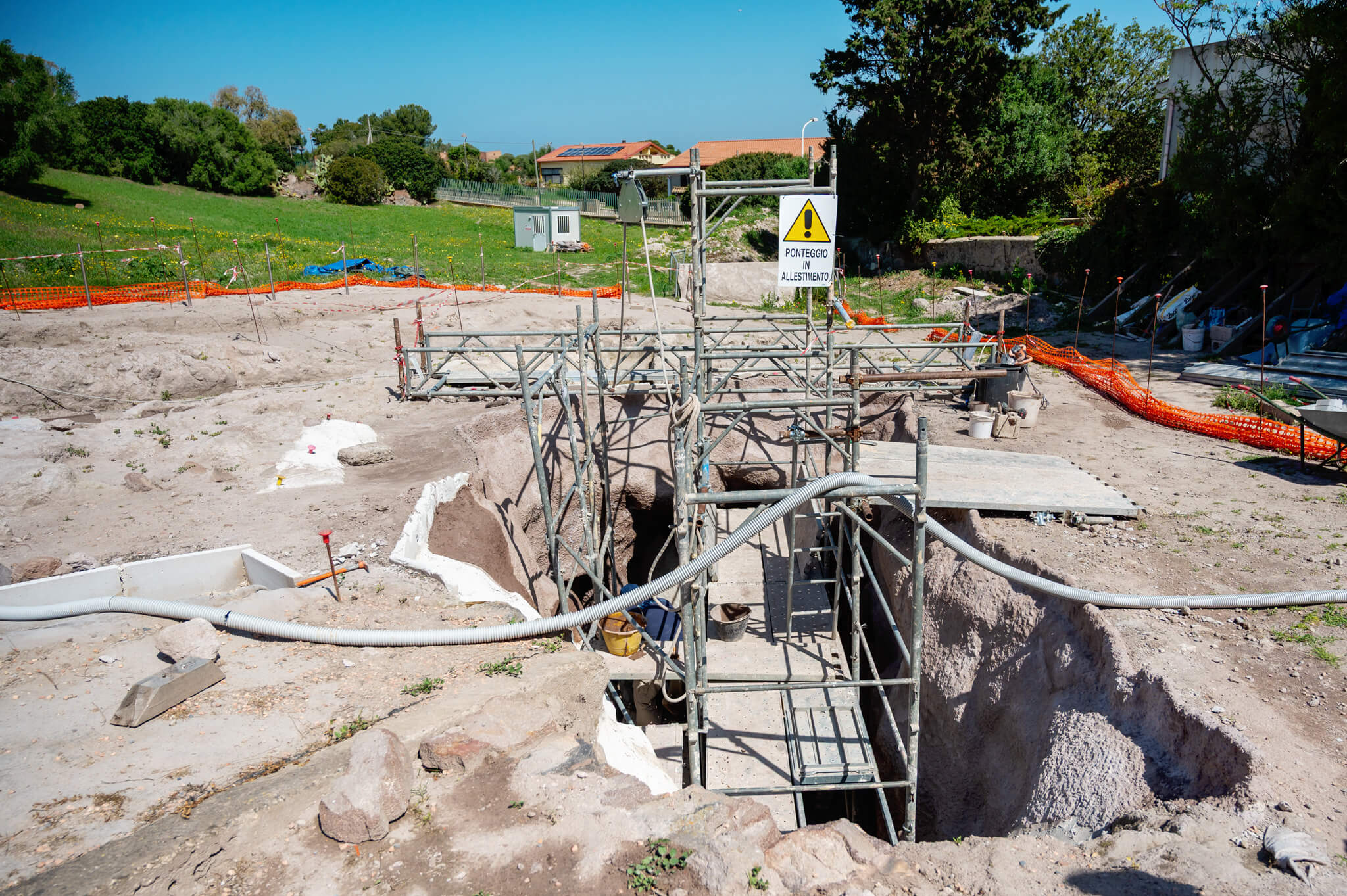
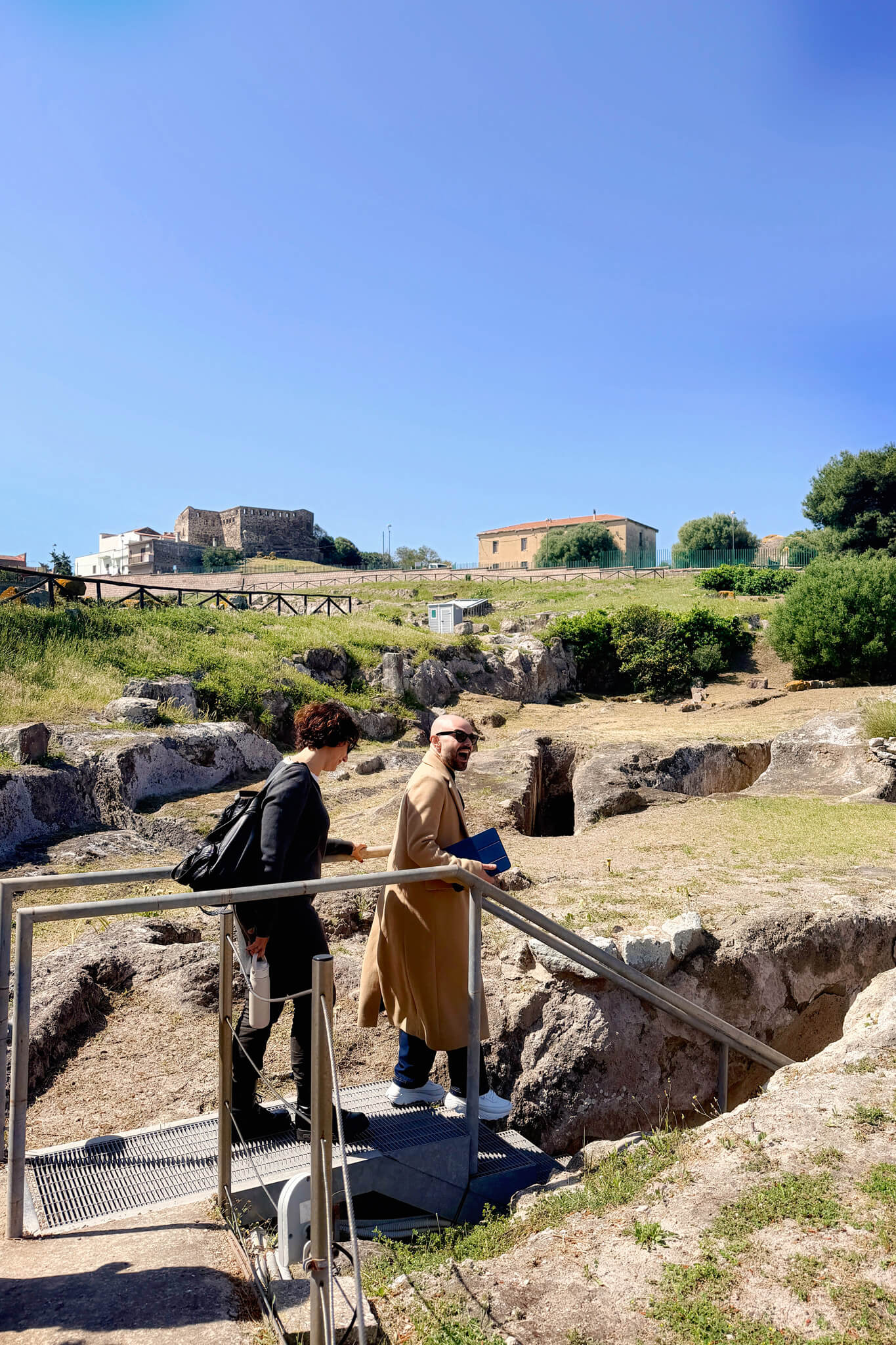
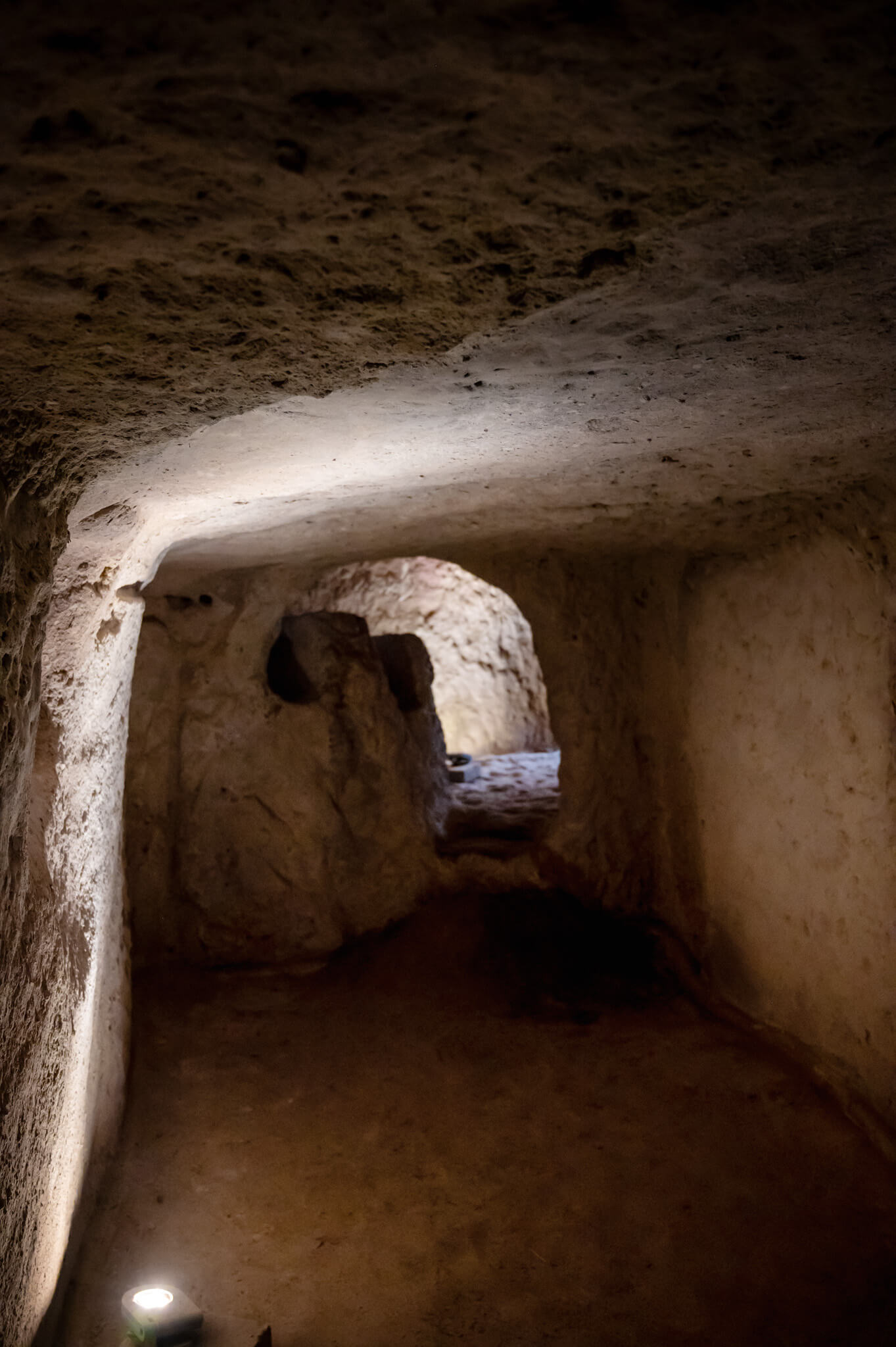
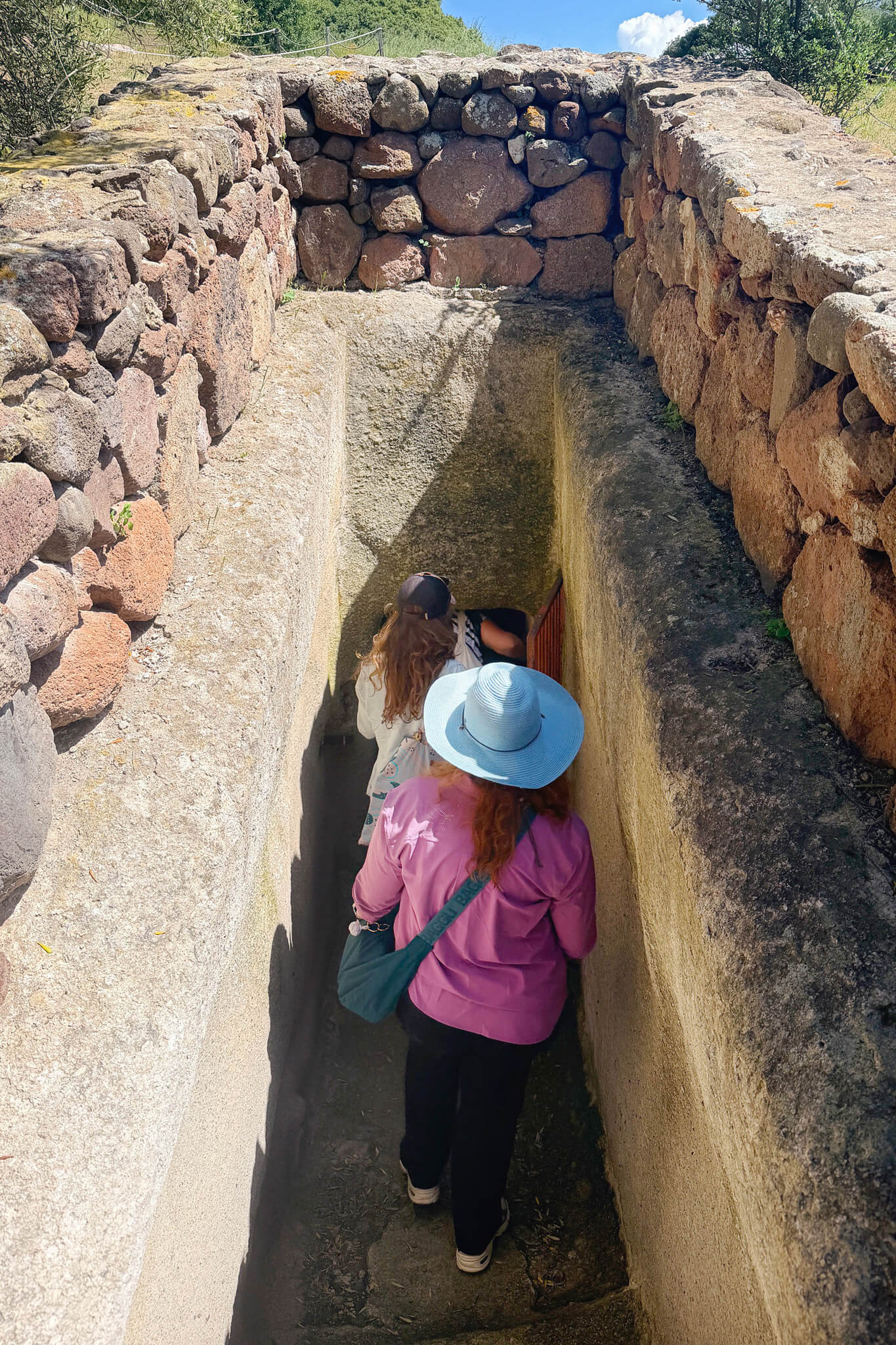
Nearby, the Phoenician-Punic Necropolis offers another glimpse into the ancient city’s layered history. This extensive burial landscape includes underground tombs, passageways, and funerary chambers carved directly into the earth. They were actively excavating this area when we were there. We were also able to walk through a system of underground tombs.
Acropolis of Sulky
In the same area, you can see the Acropolis, located atop Is Pirixeddus Hill overlooking the lagoon and ancient city below. The elevated setting made it easy to understand why this area remained strategically important for centuries, even into Roman times.
Savoy Fort
The 19th-century Savoy Fort marks a later chapter in Sant’Antioco’s history and was built during periods of coastal defense and resistance against invasions.
Hypogeum Village
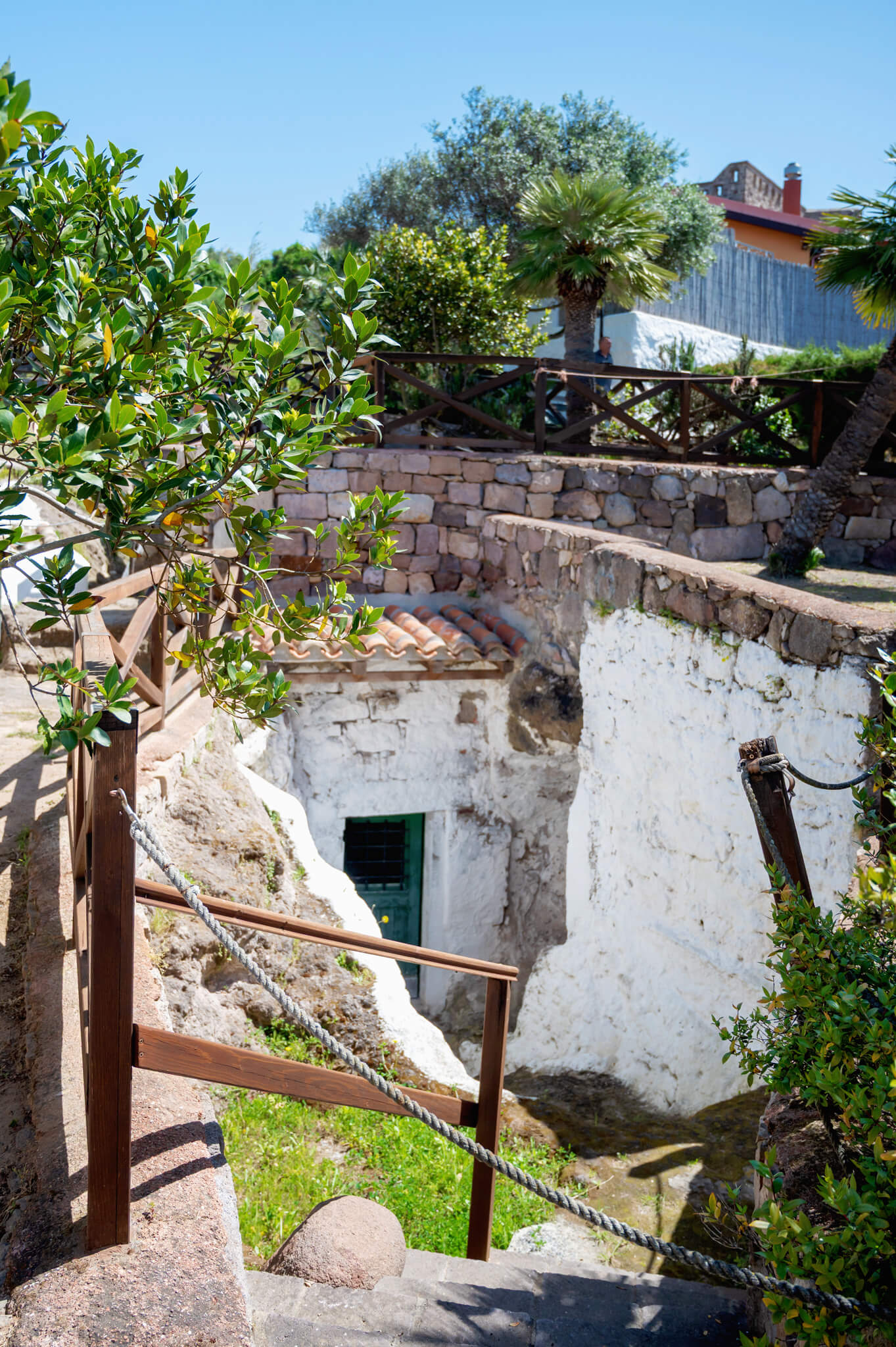
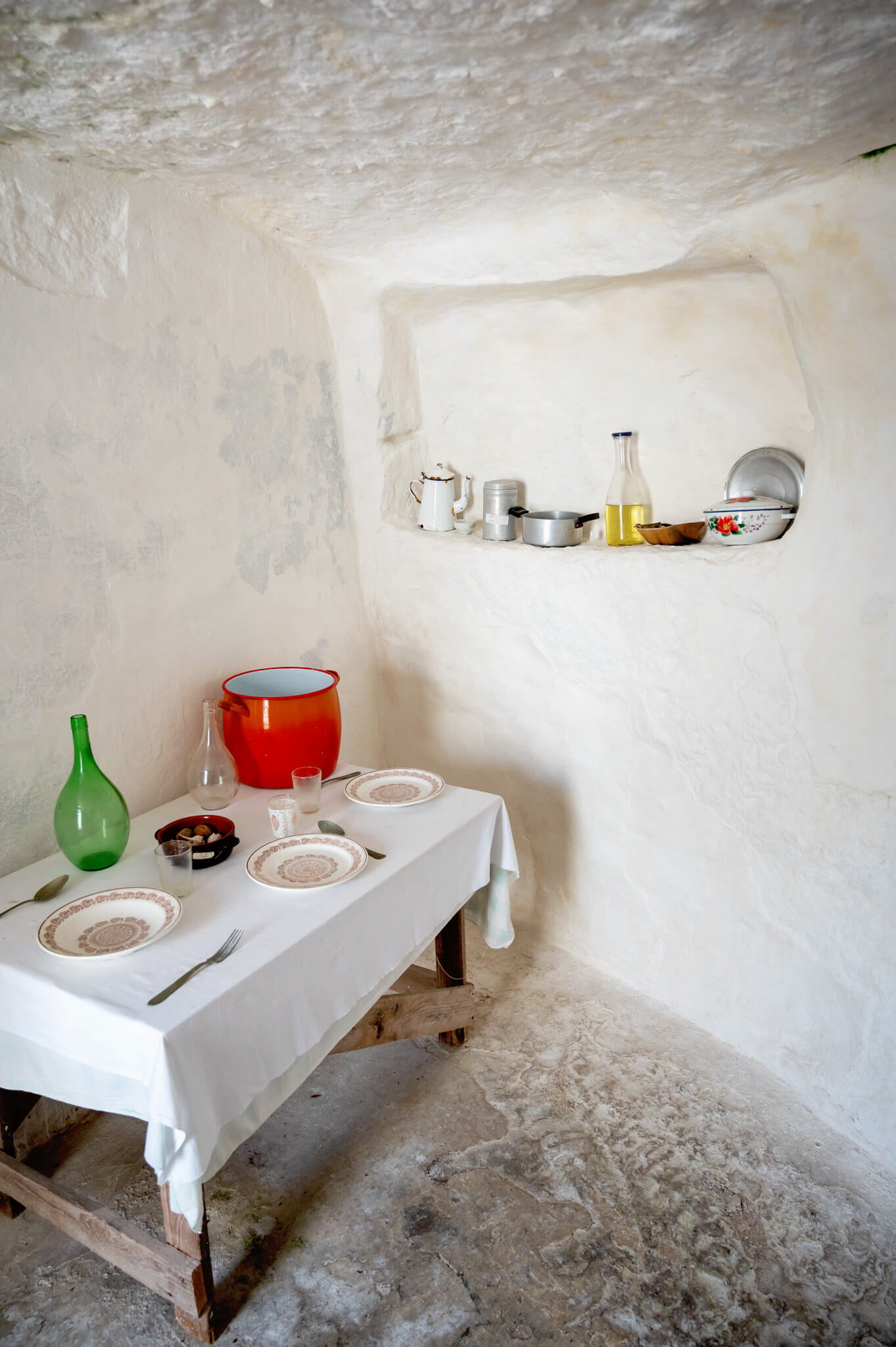
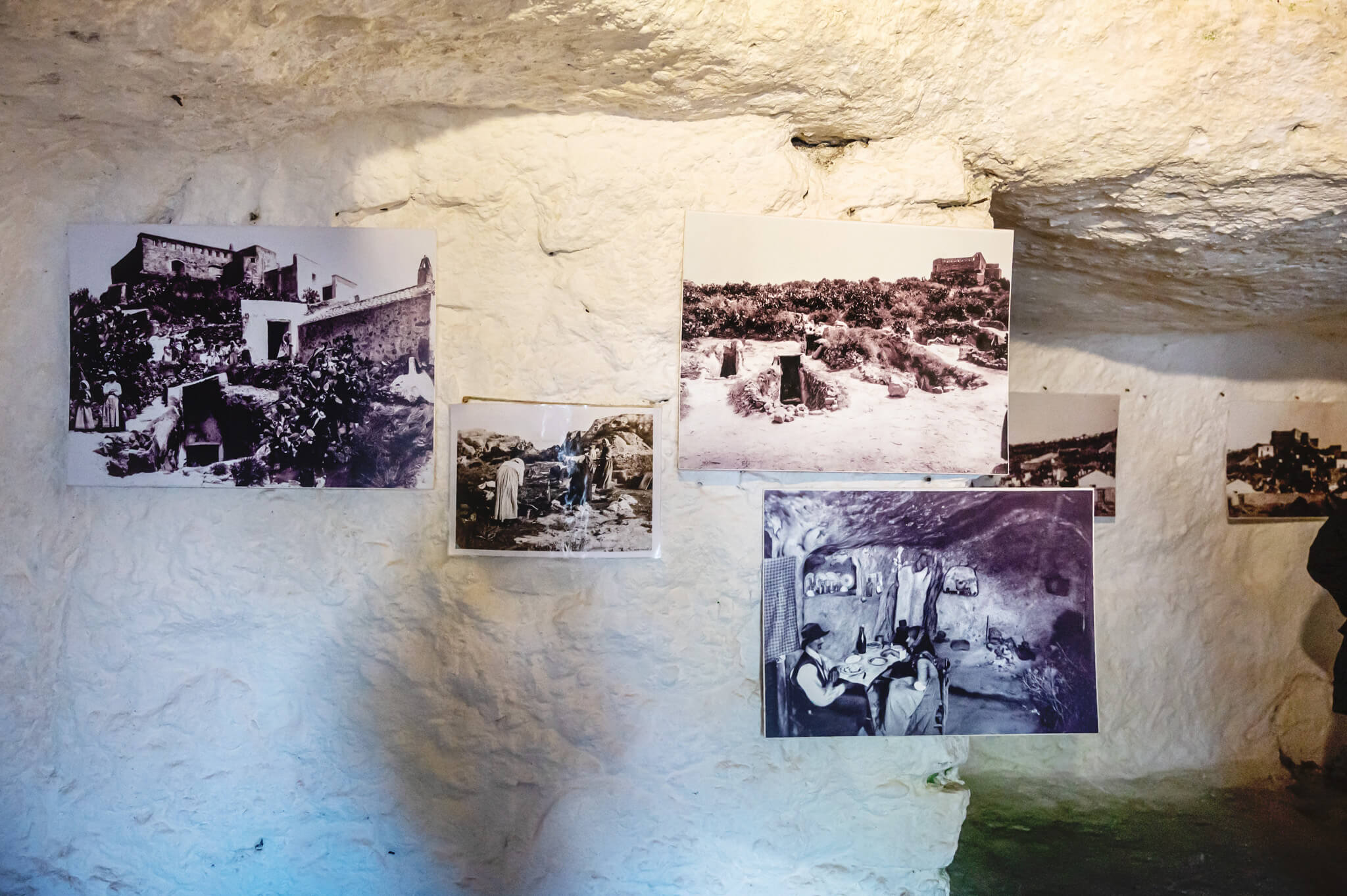
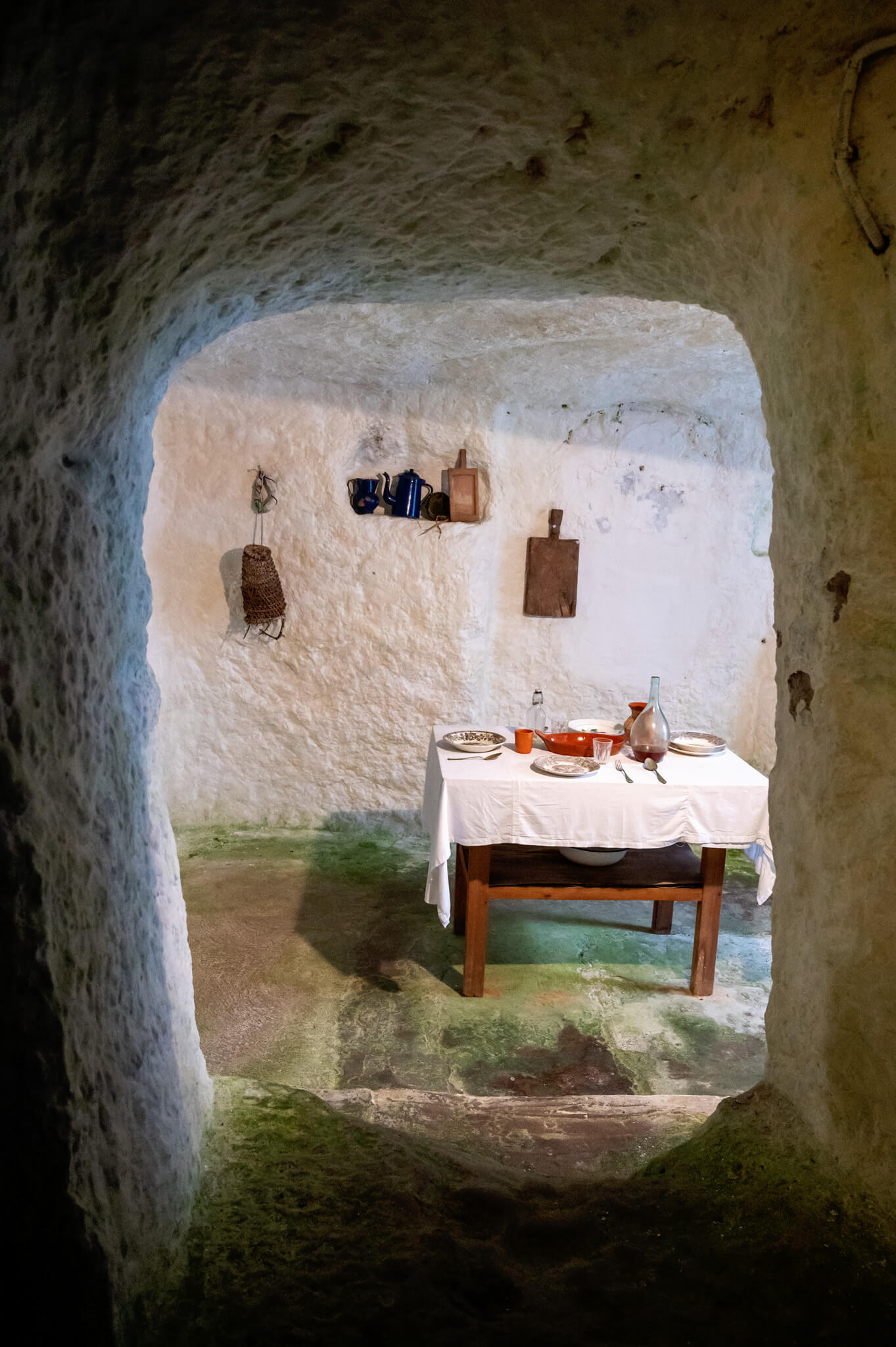
For me, one of the more unexpected parts of this archaeological area was the Hypogeum Village, known locally as Is Gruttas, or “the caves.” These underground spaces were originally linked to ancient tomb systems. But, later repurposed as humble homes, offering a fascinating look at the island’s more recent history and the hardships of daily life.
Ethnographic Museum
The Ethnographic Museum highlights local traditions and everyday life in the Sulcis region during the 20th century, helping connect the island’s ancient past with its more recent cultural history.
Together, these sites help tell the full story of Sant’Antioco, from its earliest Phoenician roots to the modern-day island community visitors experience today. You can easily combine the museum and all of these sites into a half-day or just a few hours.
#3 Basilica of Sant’Antioco and the Catacombs
The Basilica of Sant’Antioco and its underground catacombs offer yet another layer of history beneath the island. This site blends early Christian history with the older Punic burial systems that already existed below the town.
One of the most fascinating things we learned is that many of these underground catacombs and tomb systems actually extend beneath modern homes and buildings, making excavation and preservation especially complicated today.
Photos are not allowed in the catacombs, so I don’t have any to share. But, definitely make time to see them for yourself!
#4 Roman Bridge at Sant’Antioco
Connecting Sant’Antioco to mainland Sardinia, the Roman Bridge is another reminder of the area’s importance in ancient times. Originally constructed during the Roman era, the bridge helped link the island to major trade and transportation routes across the region.
While portions of the bridge have been modified over the centuries, it still stands as an important symbol of Sant’Antioco’s long and layered history. Today, most visitors will likely drive past it without even realizing they are driving over ancient infrastructure.
TIP: Look for flamingos along the coastline as you cross the bridge onto the island of Sant’Antioco!
#5 Temple of Antas
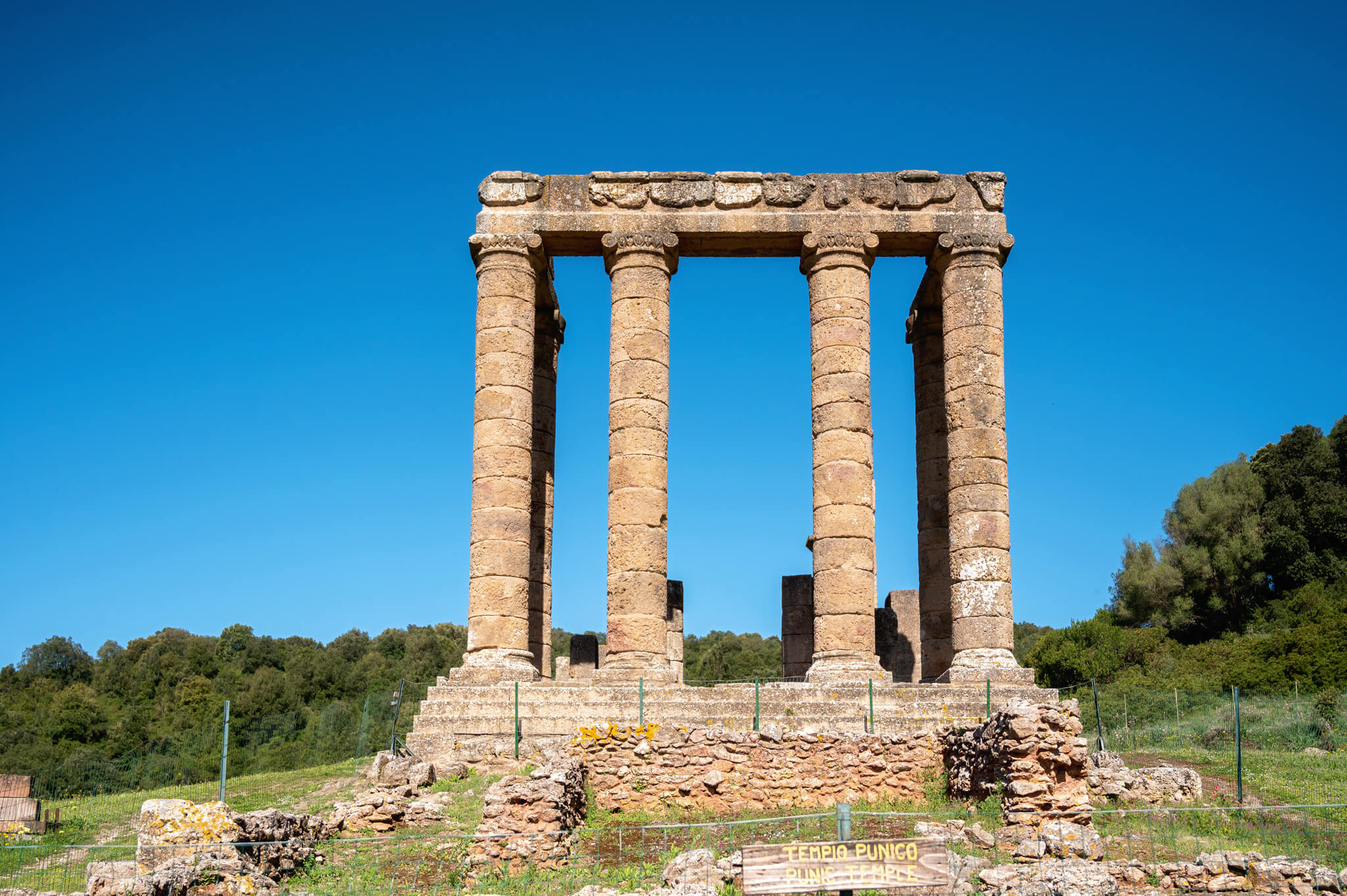
Set within a dramatic mountain landscape, the Temple of Antas was easily one of the most visually impressive archaeological sites we visited in Southwest Sardinia. It was also the farthest from our home base in Sant’Antioco. So, if heading to the Fluminimaggiore area, I would make sure to pair this with Su Mannau Caves and even the Porto Flavia and Laveria Lamarmora sites.
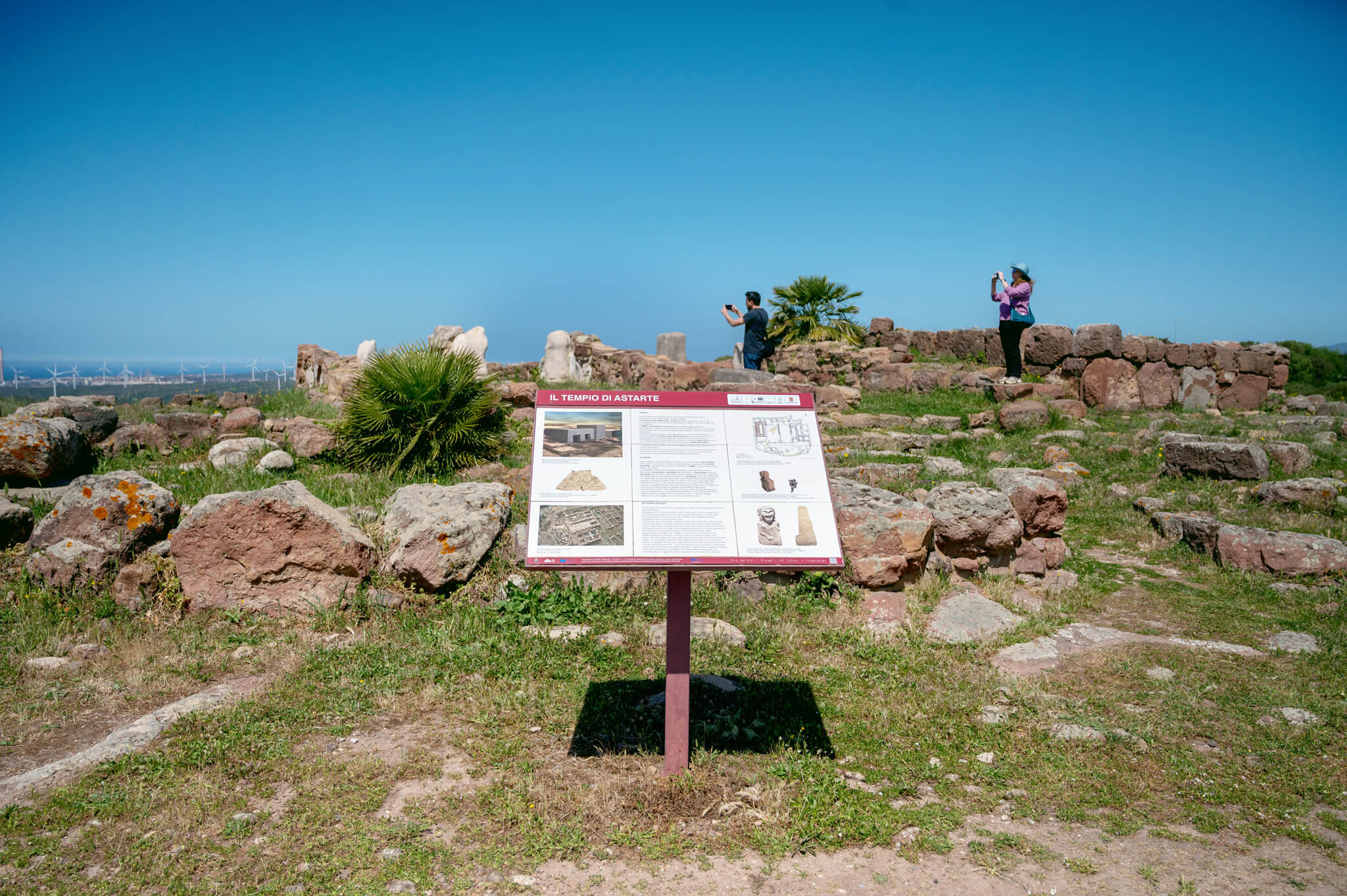
This archaeological site dates back to the Final Bronze Age (1200–900 BC). It was originally used as a sepulchral area before later becoming a Punic place of worship. In the 5th century BC, the Punic civilization built a temple over the earlier sacred site. Later, the Romans, under Emperor Augustus, constructed the Roman temple you see here, which remained in use until at least 217 AD.
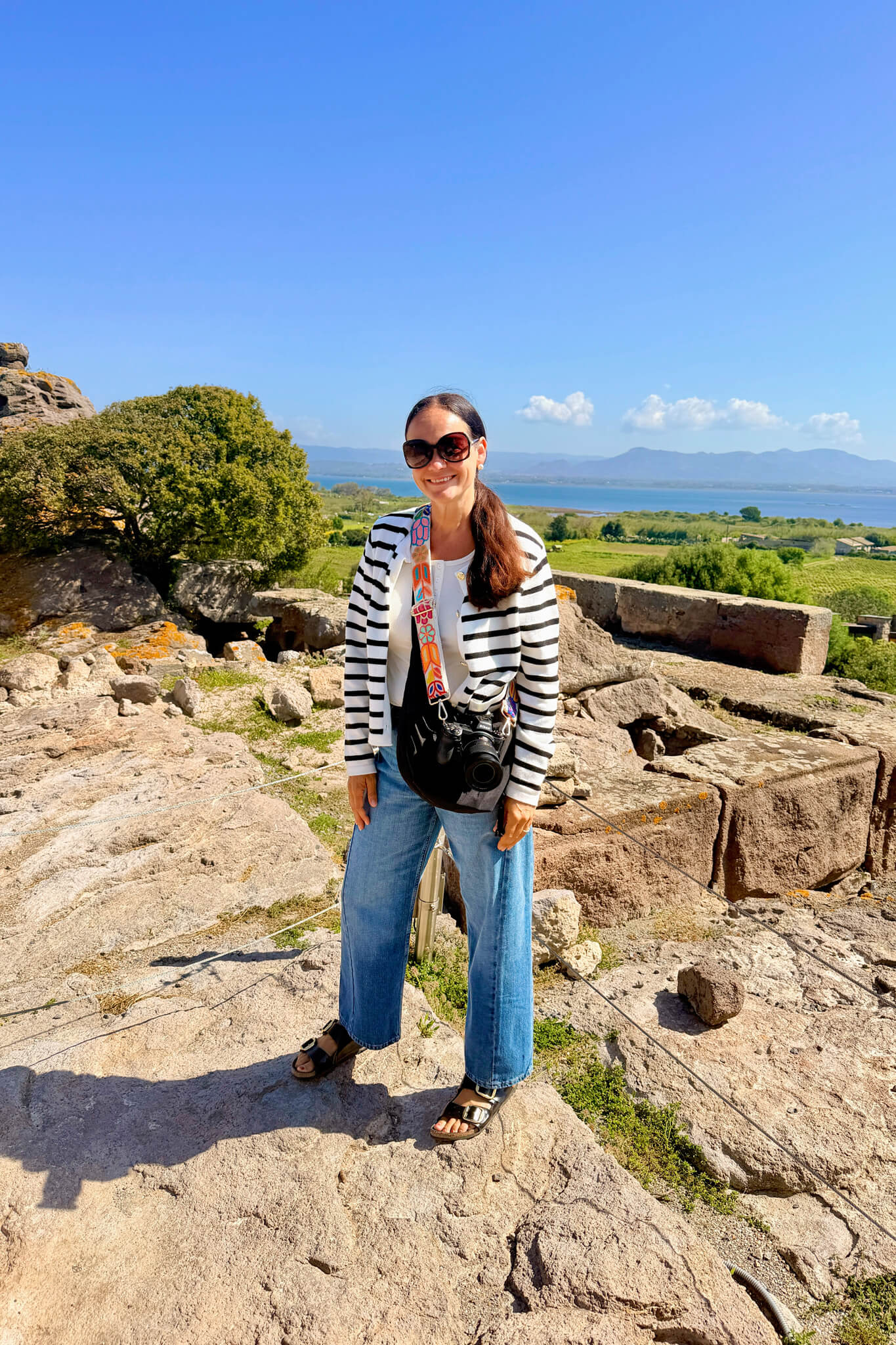
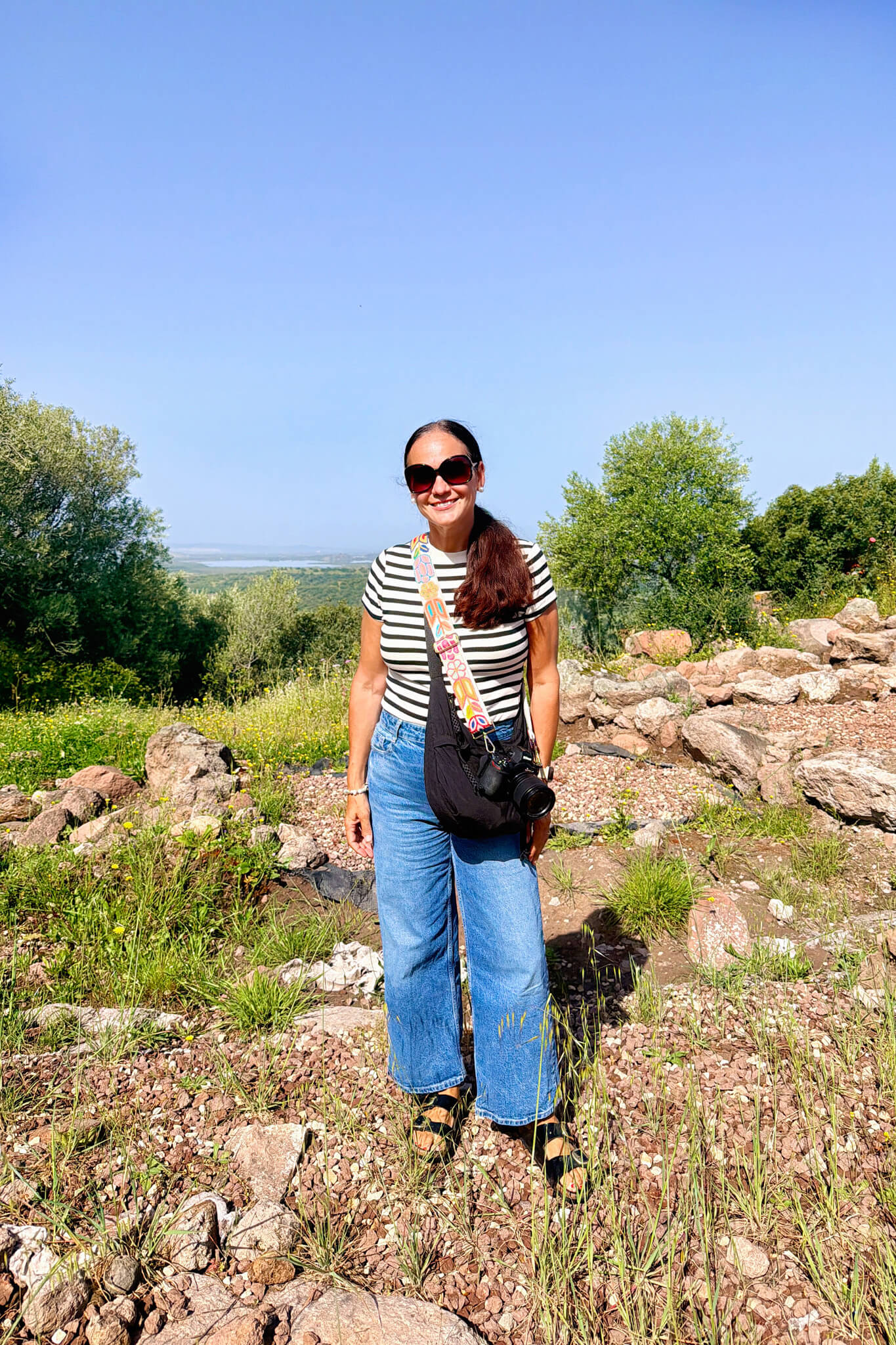
You can see the ruins of the older Punic temple in the foreground of my photo below. What you see now of the main temple is part original Roman temple with some modern restoration.
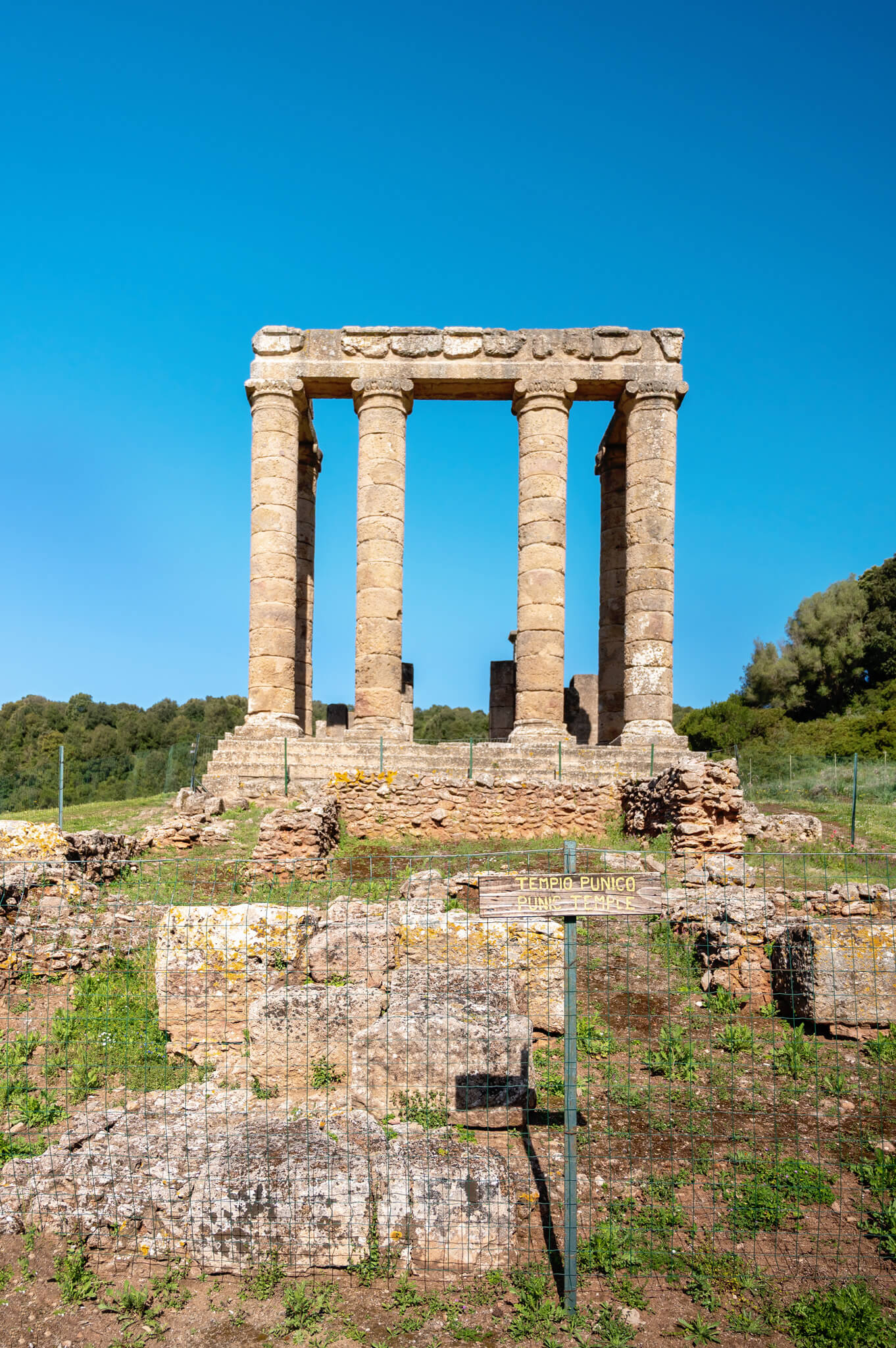
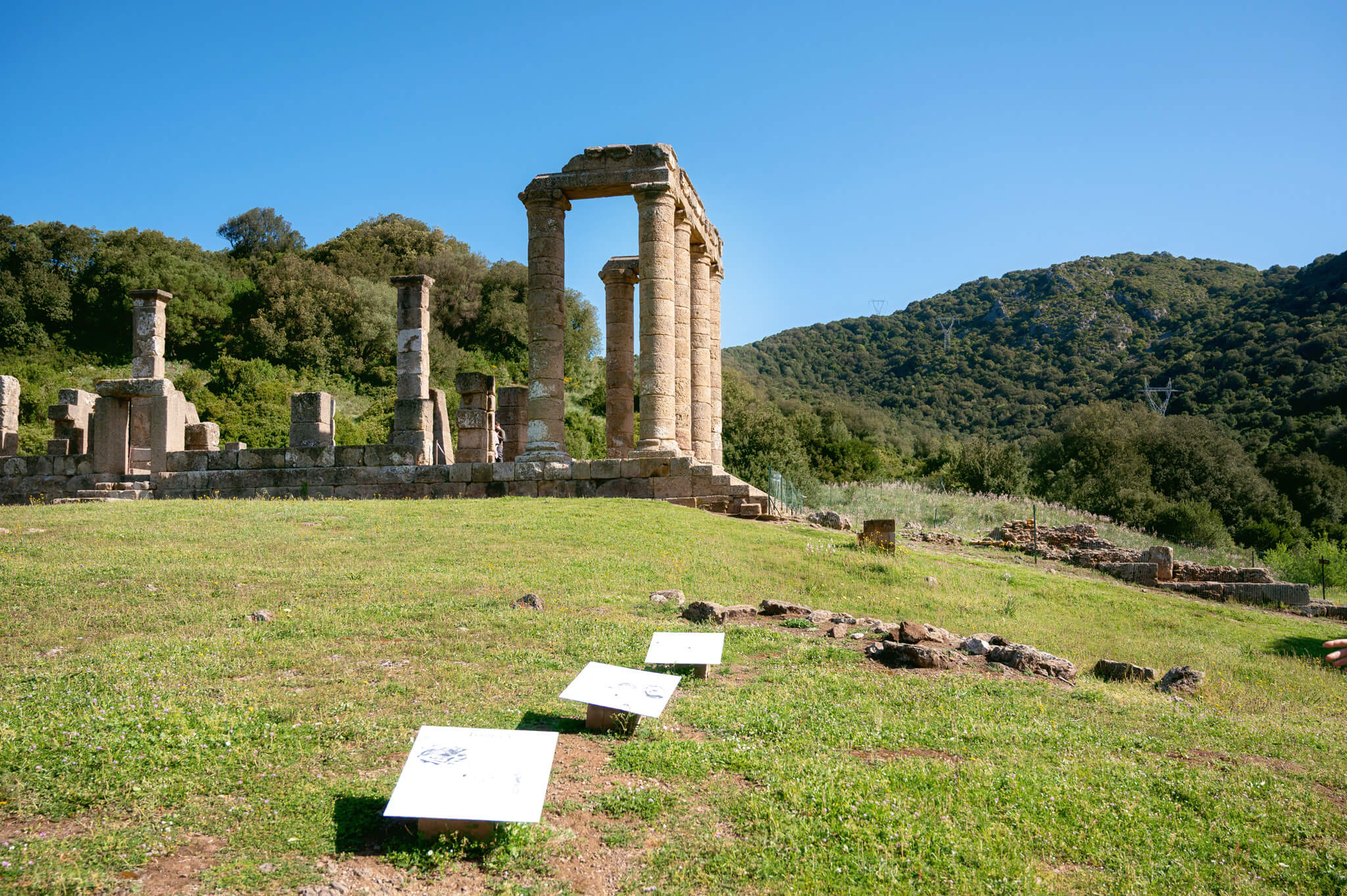
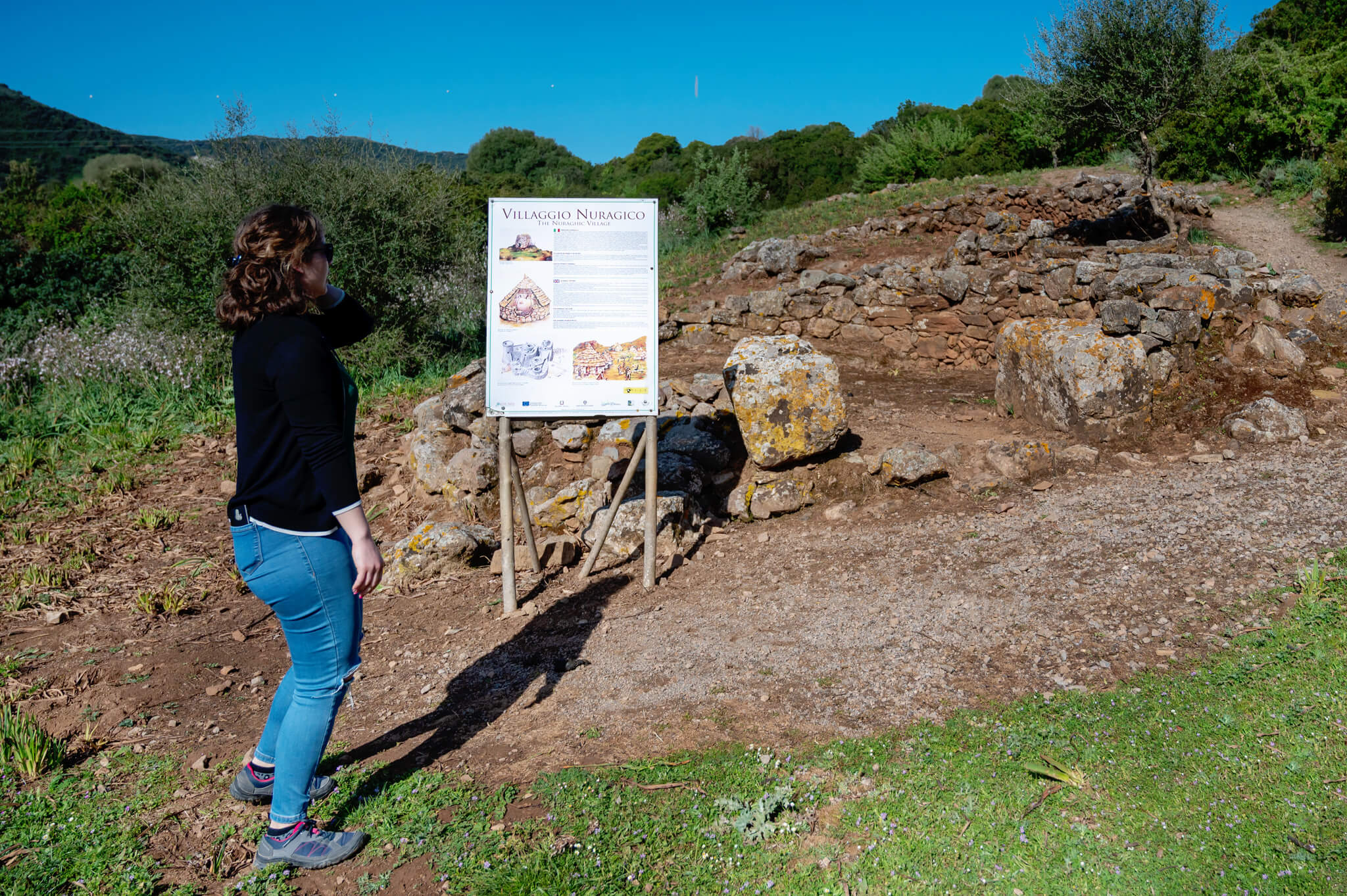
Surrounded by rugged mountains and peaceful countryside, the Temple of Antas still feels like a sacred landscape today. At the same time, in the Temple of Antas archaeological park, you can also find the remains of an ancient Nuragic village, Roman limestone quarries, and cave systems associated with ancient rituals and religious ceremonies.
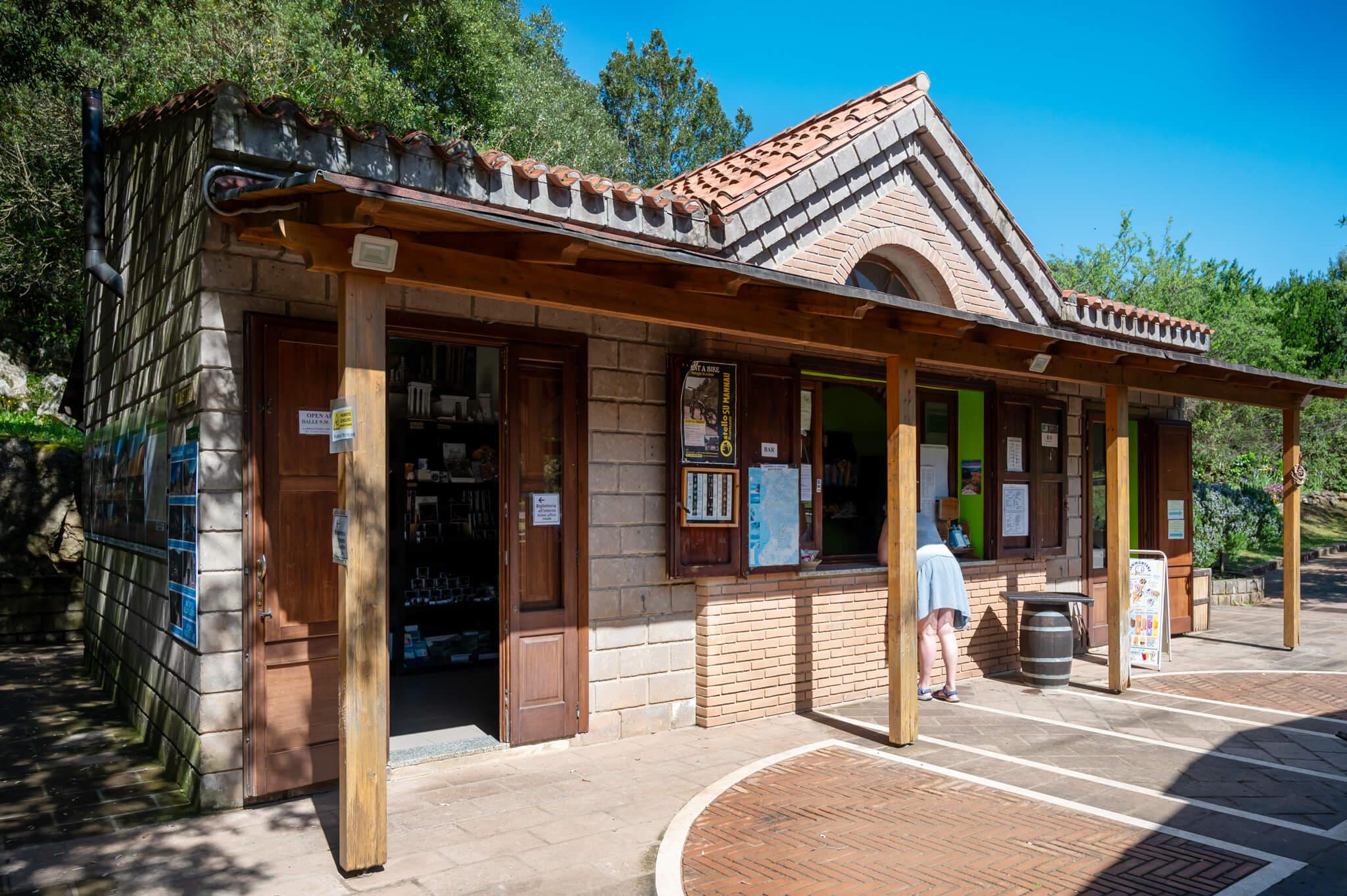
There is also a small gift shop and coffee shop on site. This was a really nice treat after the long and windy drive up into the mountains!
#6 Su Mannau Cave
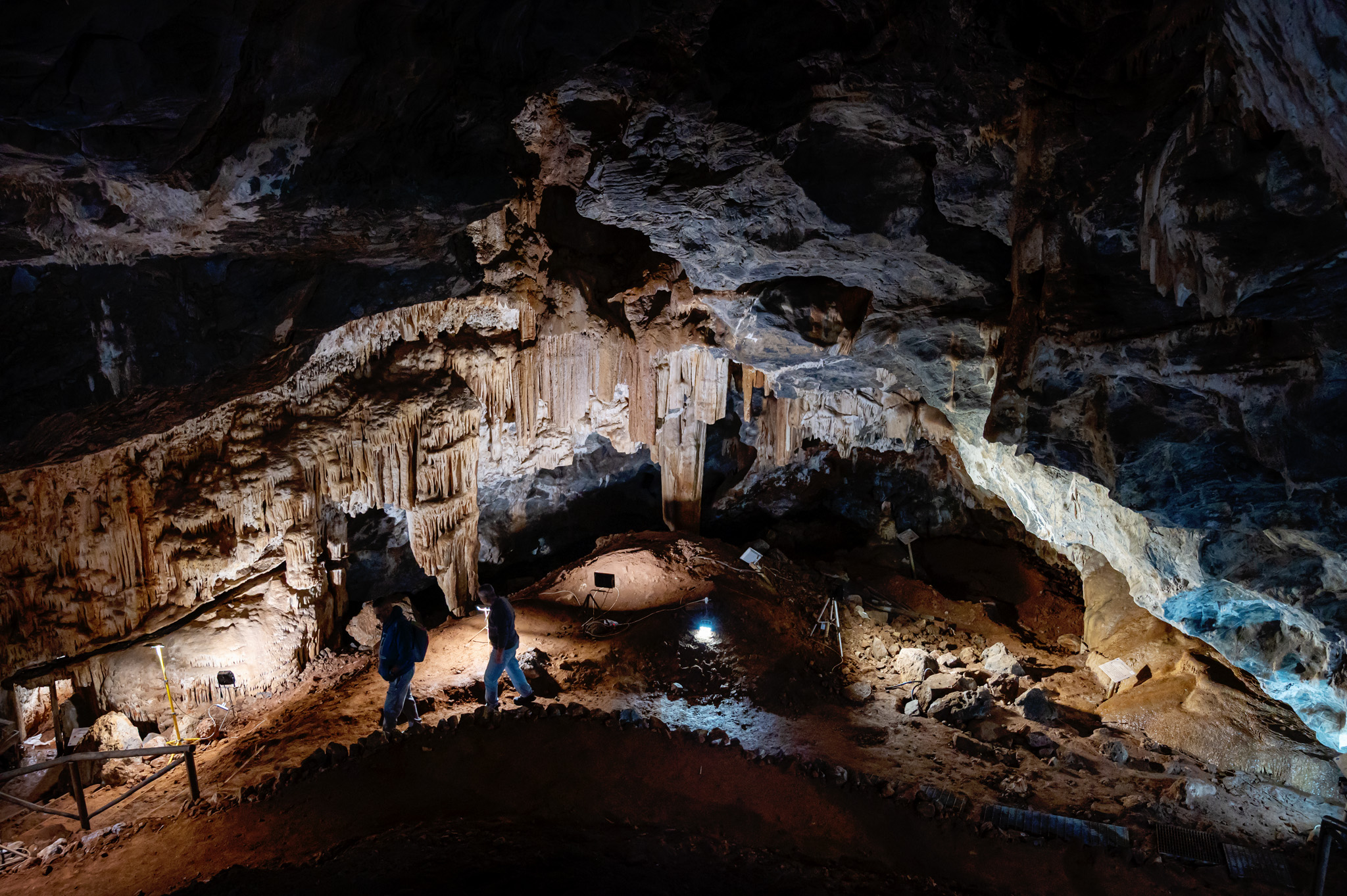
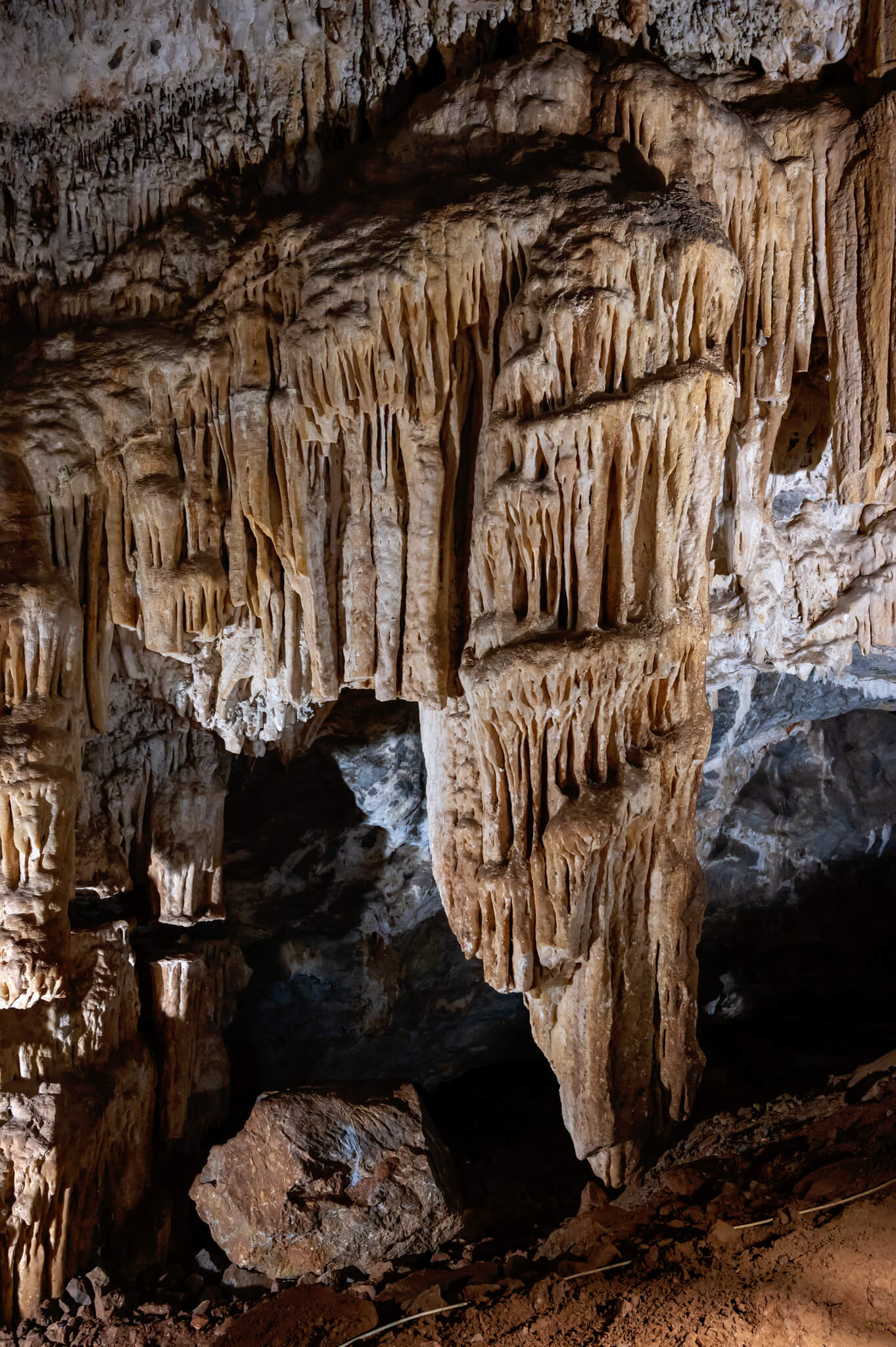
Located near the Temple of Antas, Su Mannau Cave combines both natural beauty and archaeological significance. This makes it a unique stop along Southwest Sardinia’s archaeology route.
The massive cave system has long been linked to ancient rituals and sacred ceremonies connected to the surrounding landscape. Beyond its historical significance, the cave itself is incredibly impressive, featuring vast underground chambers, dramatic rock formations, and winding passageways that showcase the region’s fascinating geological history.
#7 Necropoli di Montessu
Located near the town of Villaperuccio, the Necropoli di Montessu is one of the most fascinating prehistoric burial sites in Sardinia. For me, it was one of the most memorable stops on our trip. Our guide eagerly shared everything he knew about this ancient necropolis!
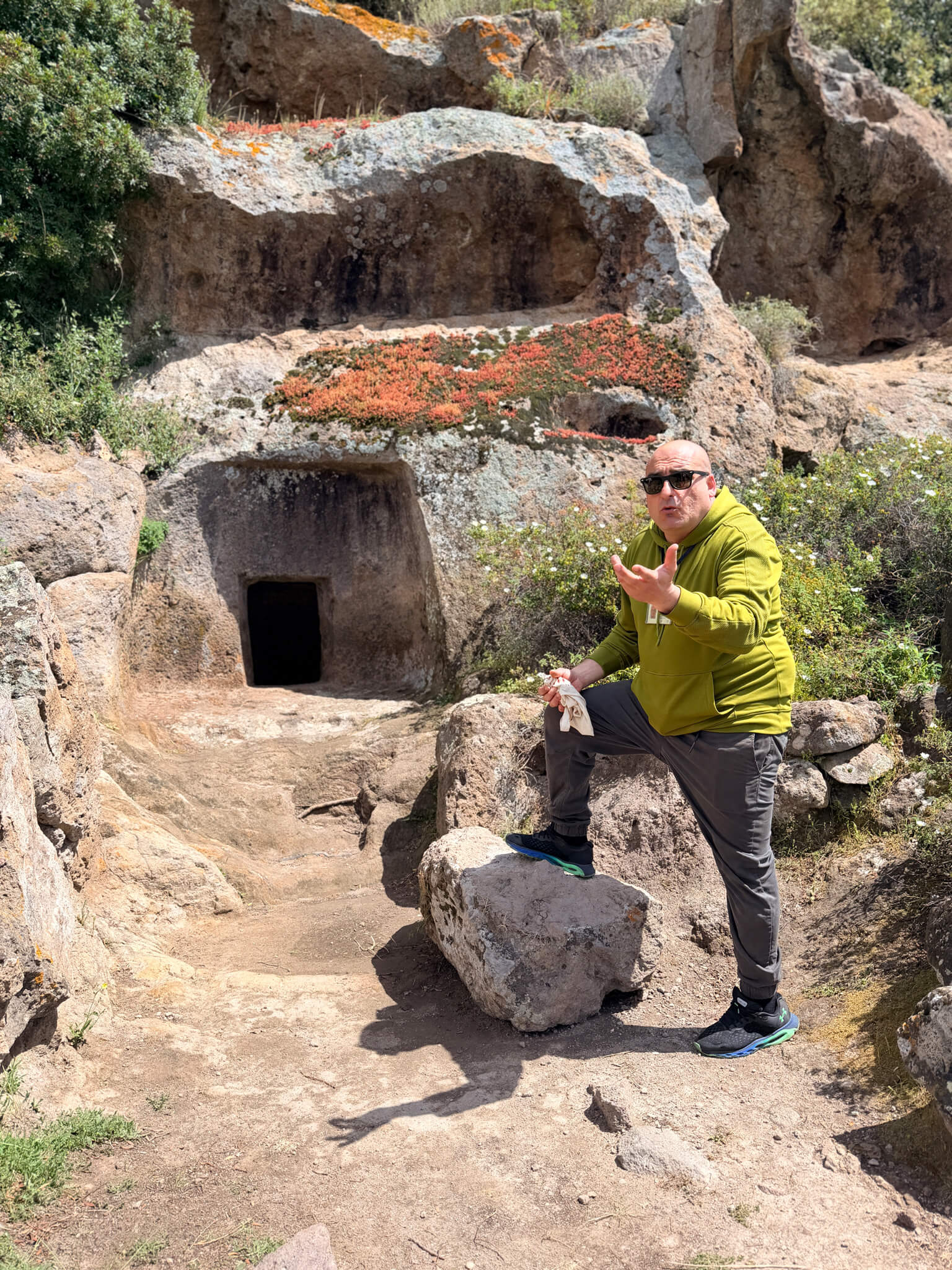
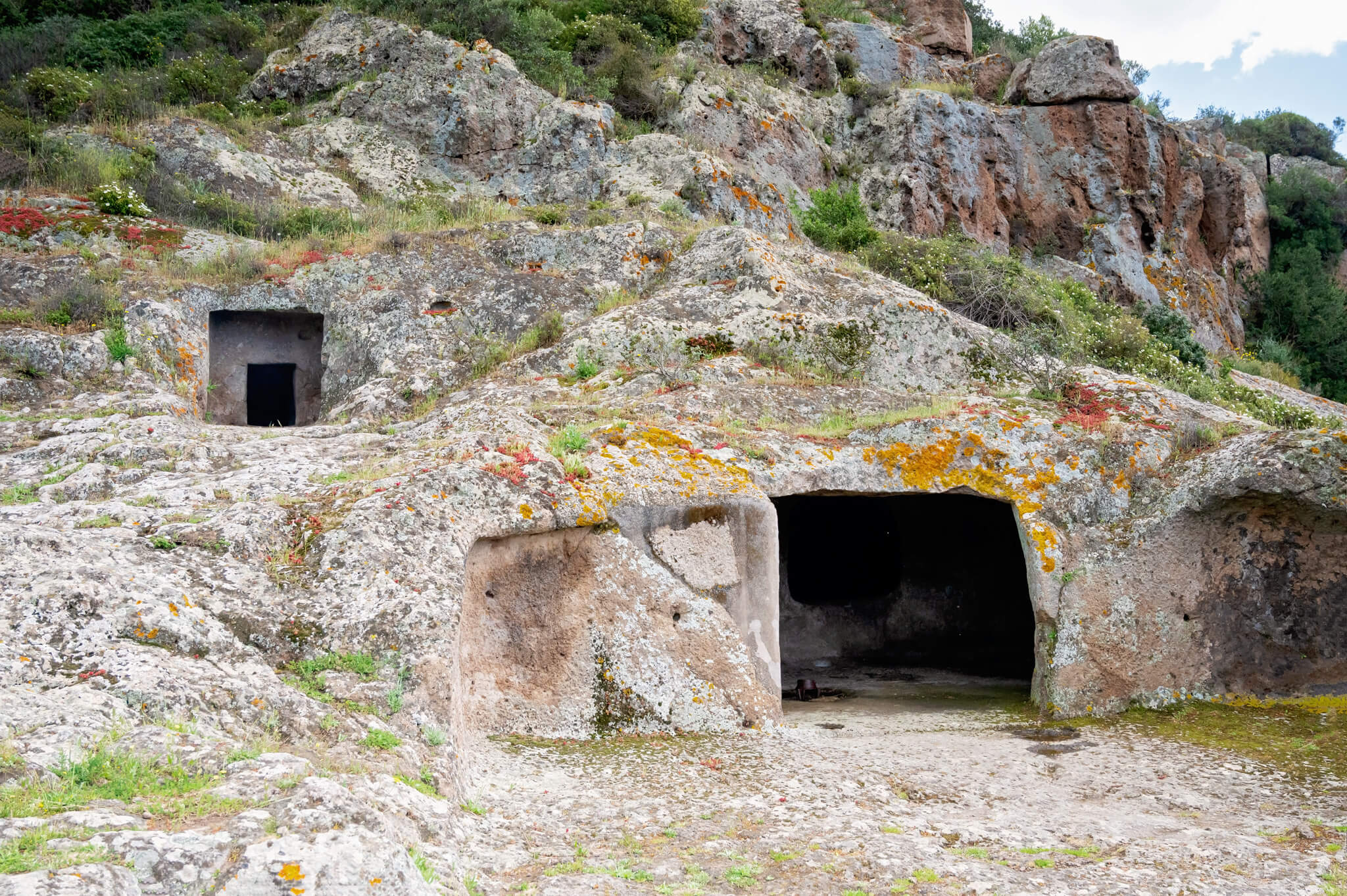
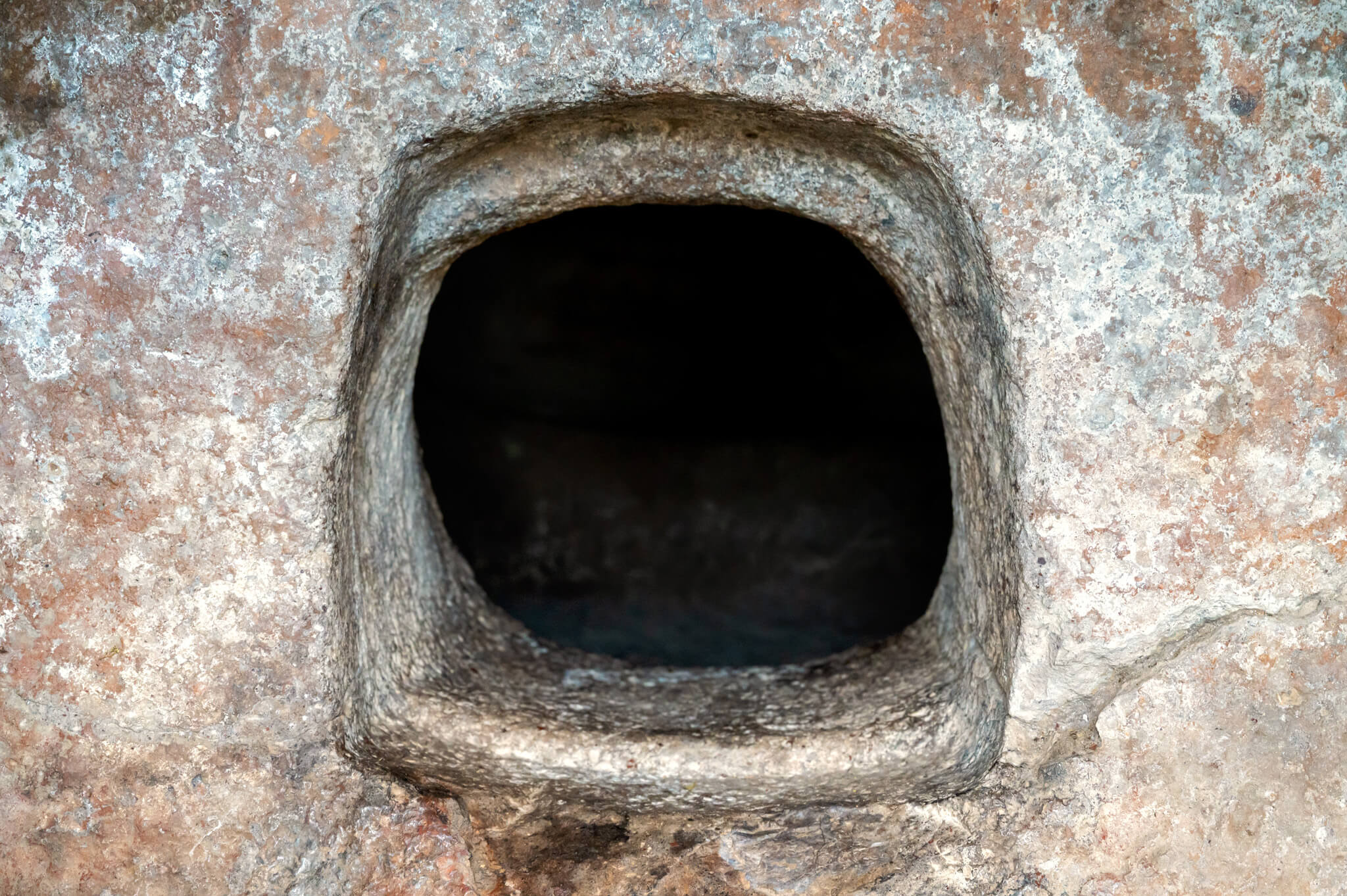
People during the Late Neolithic period (around 4300 to 4000 BC) created this sacred landscape by carving dozens of Domus de Janas, or “fairy houses,” directly into the hillsides as ancient tombs. Some of the tombs feature engraved decorations, shrine-like structures, and monumental rock-carved entrances.
Two natural amphitheaters surround the site, creating an incredibly peaceful, almost spiritual atmosphere as you walk through the park. Our guide explained that archaeologists estimate it is around 6,000 years old as we stood inside. It was hard to even fathom!
I found it interesting that archaeologists consider the rounded tomb openings older than the square-shaped entrances found on some of the other tombs.
Recognized as part of Sardinia’s UNESCO-recognized prehistoric sacred landscape, Montessu offers an incredible glimpse into some of the island’s earliest civilizations. There is also a small museum shop on site with photos and more information.
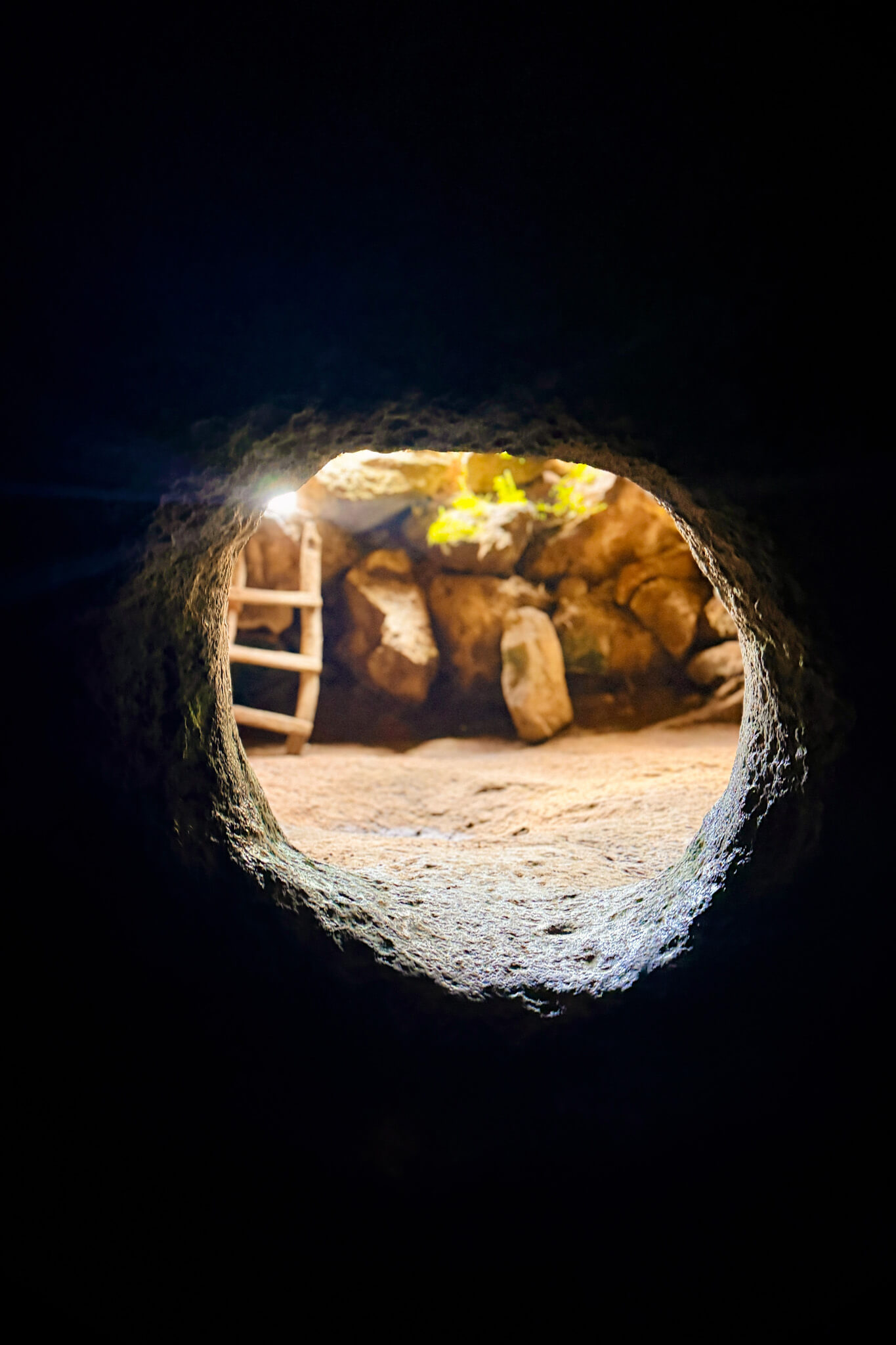
#8 Pani Loriga
Perched on a quiet hillside and surrounded by rural landscapes, Pani Loriga preserves more than 5,000 years of history within a single archaeological site.
The area includes remnants of ancient Neolithic roads, megalithic tombs dating back to around 3600 BC, Domus de Janas (“fairy houses”), and later Phoenician and Punic settlements. Archaeologists also discovered black obsidian here, a volcanic glass once used for tools and trade throughout ancient Sardinia.
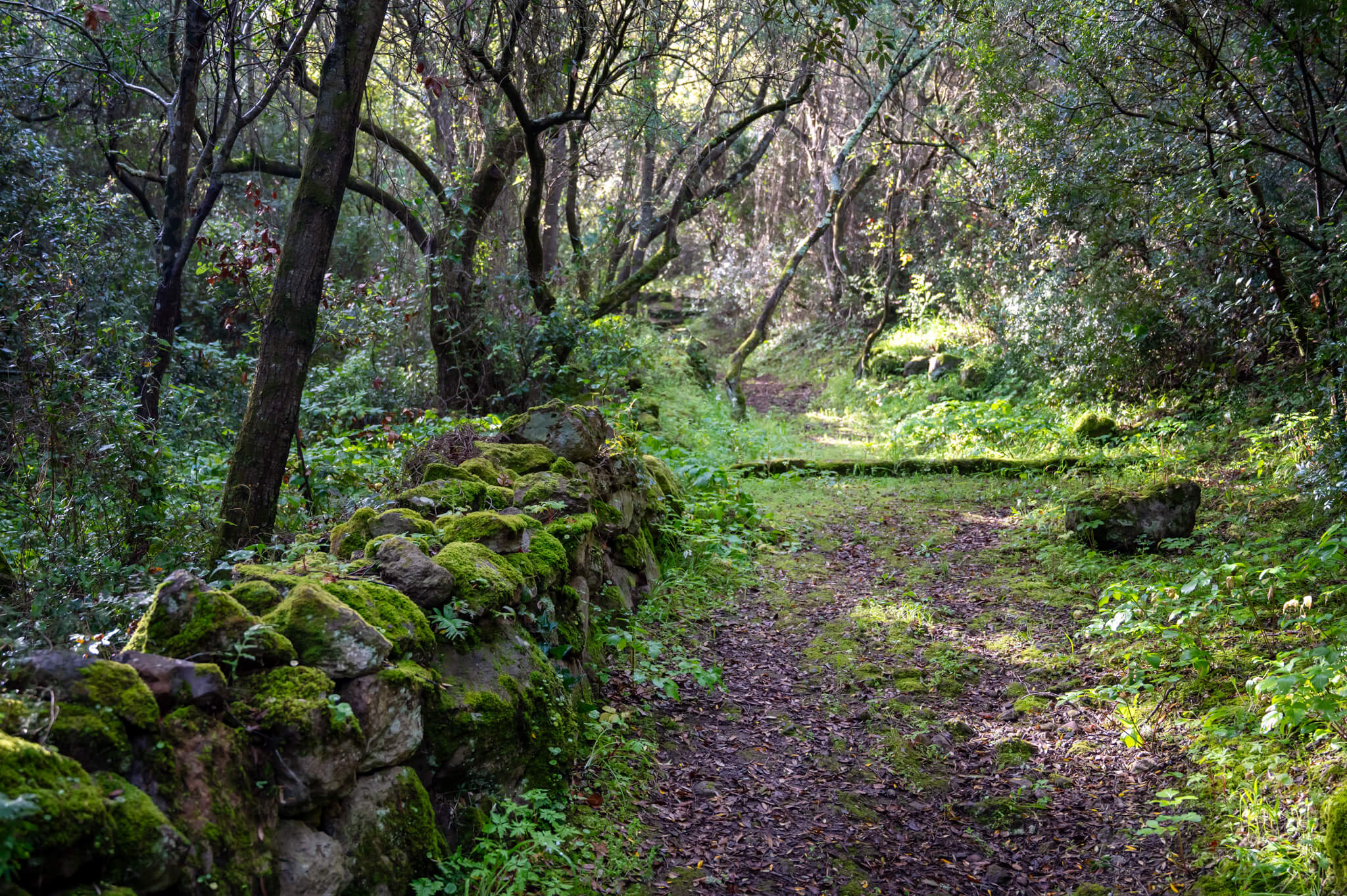
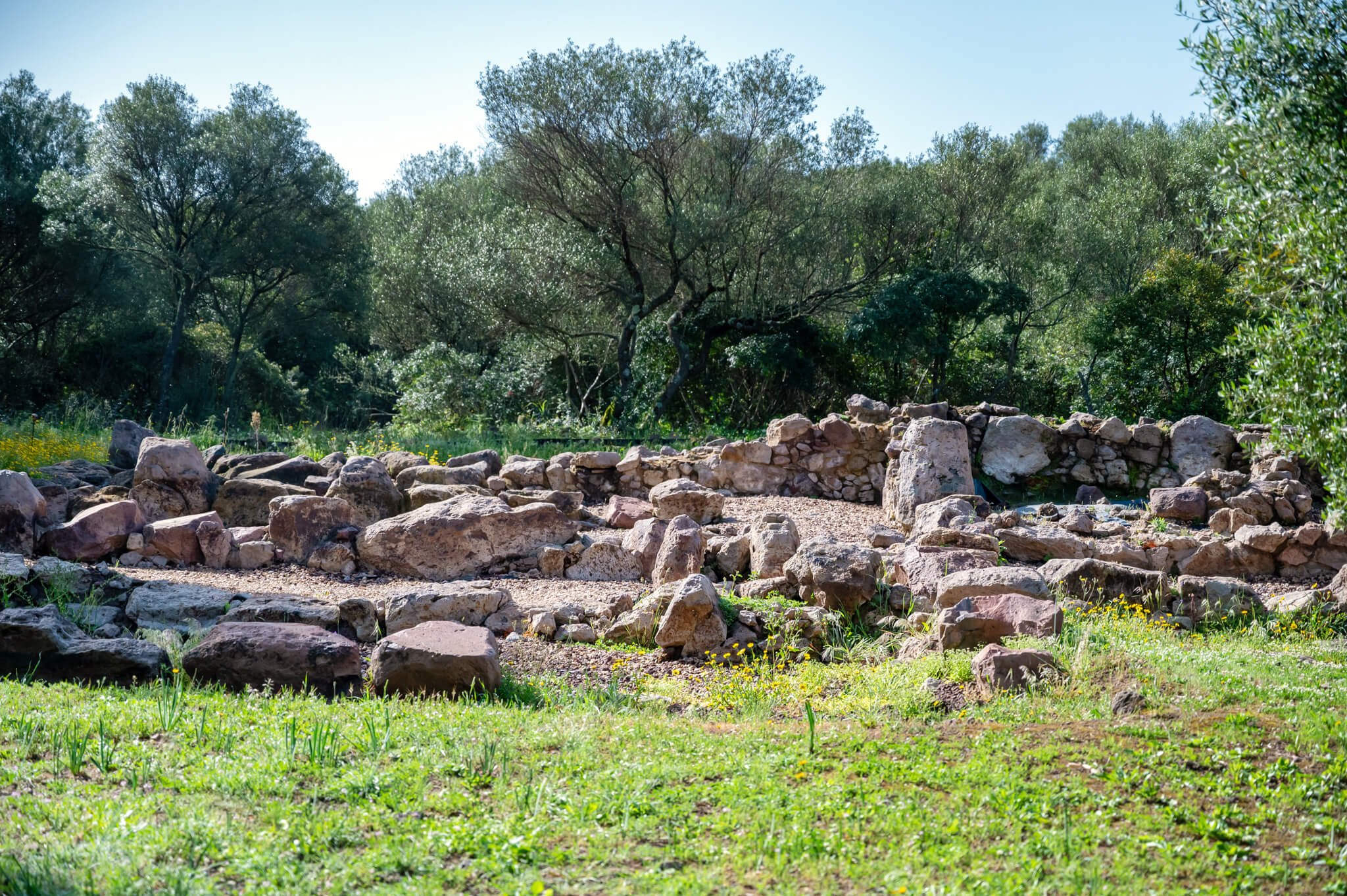
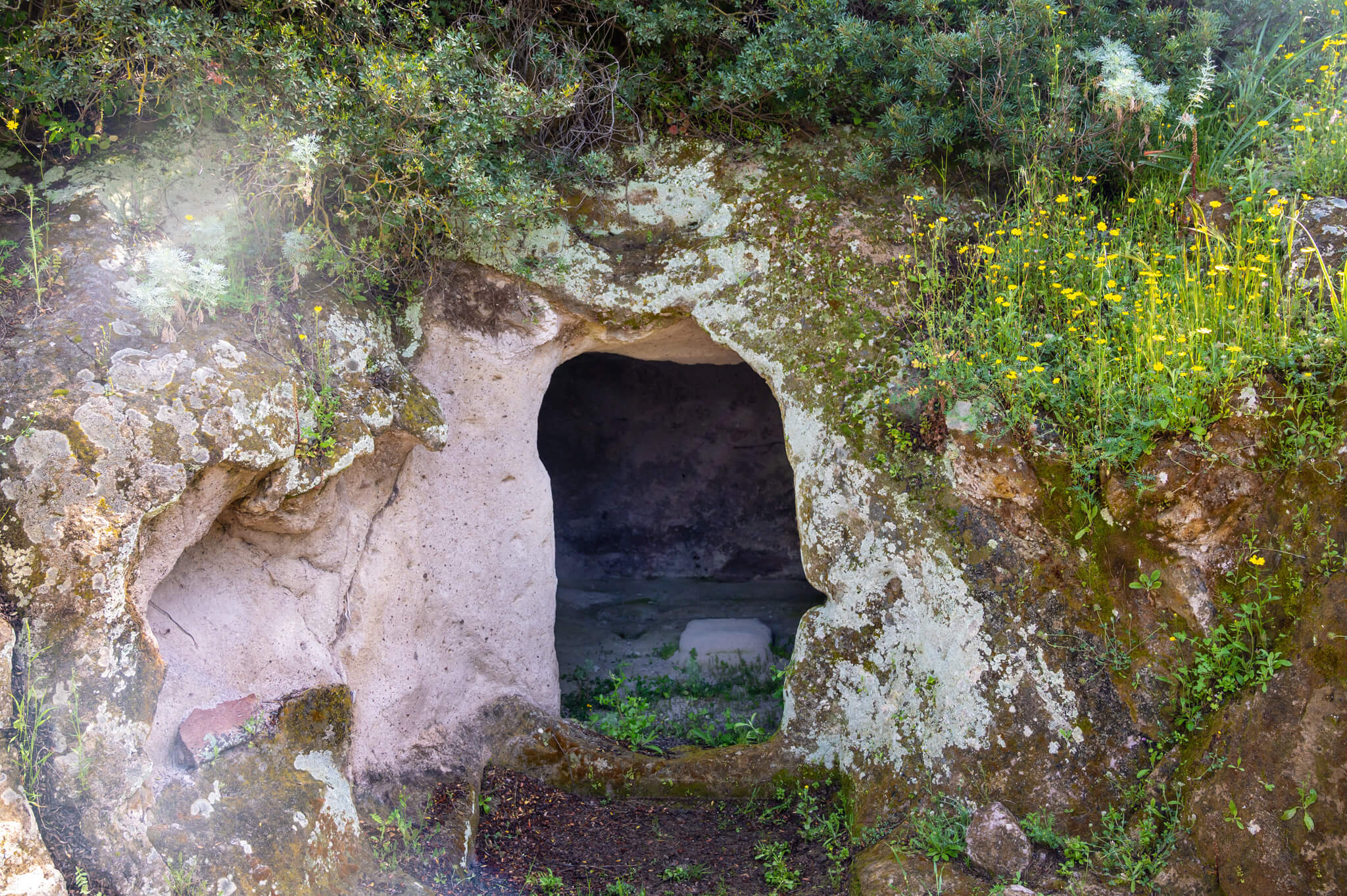
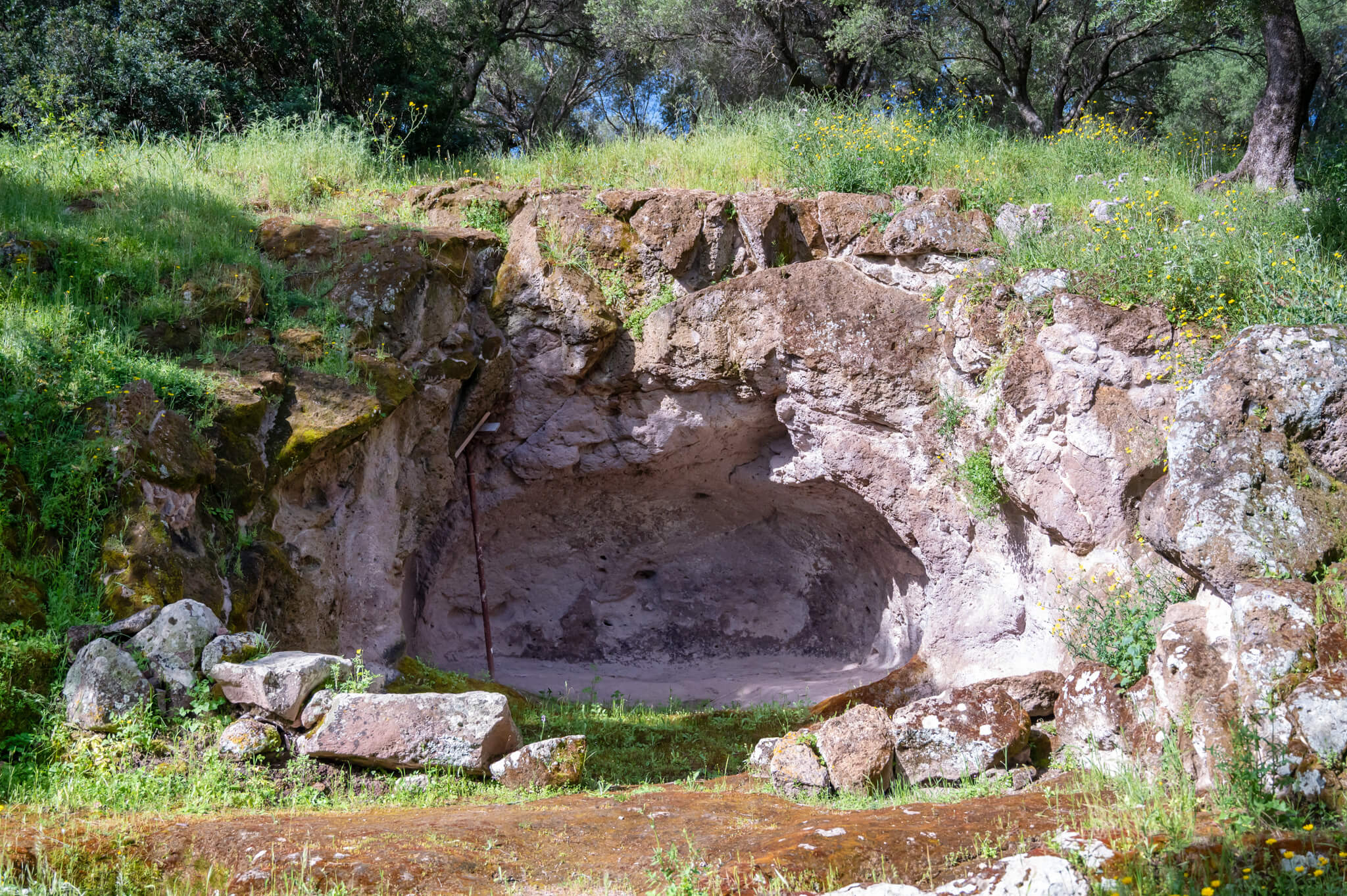
One of the most interesting parts of the site is the overlap between civilizations. Area B features Punic houses that Nuragic Sardinian tradesmen likely used, revealing how these cultures interacted and coexisted over time.
Pani Loriga also features both an acropolis and a Phoenician necropolis, making it another important archaeological landscape in Southwest Sardinia.
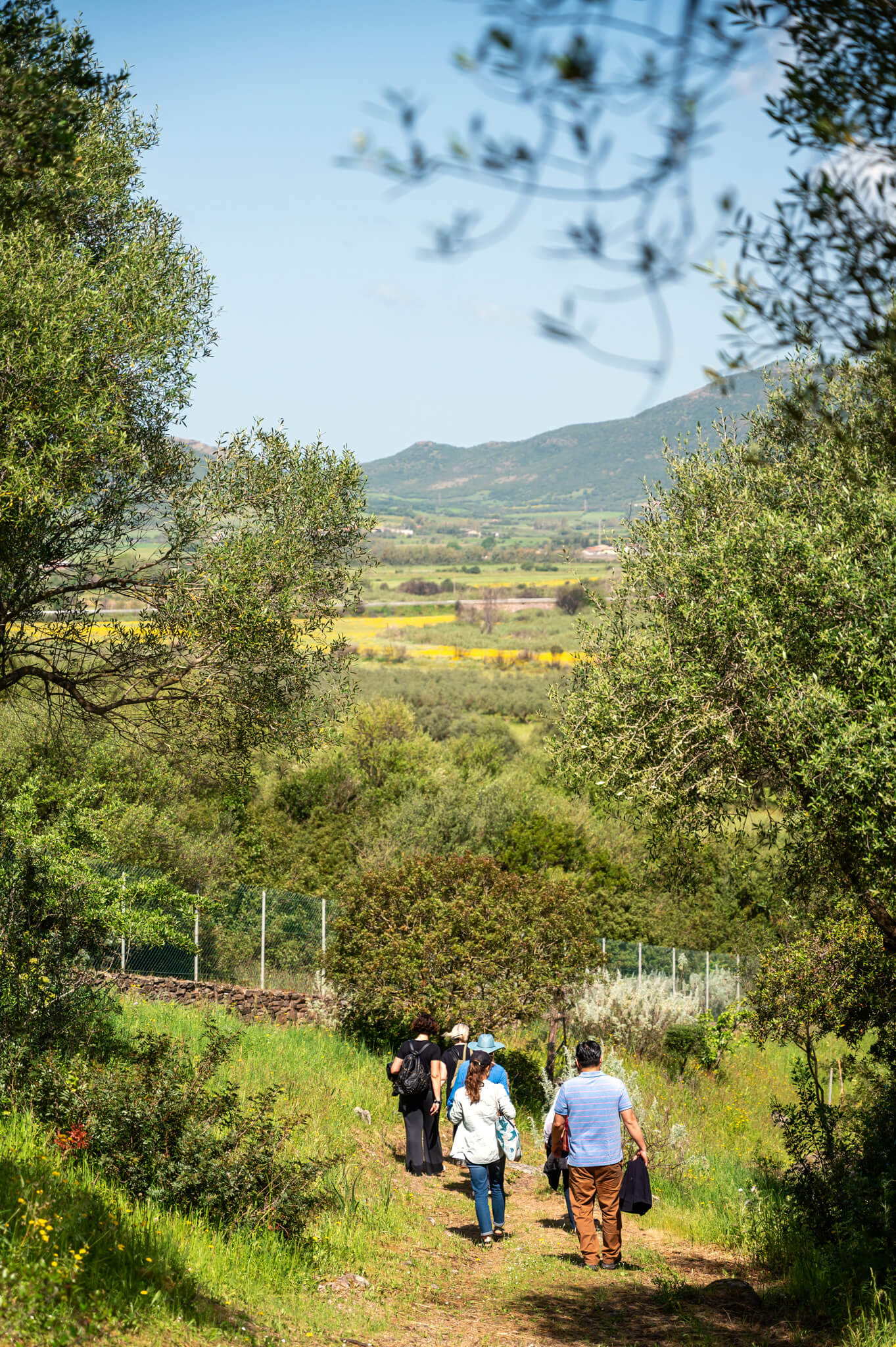
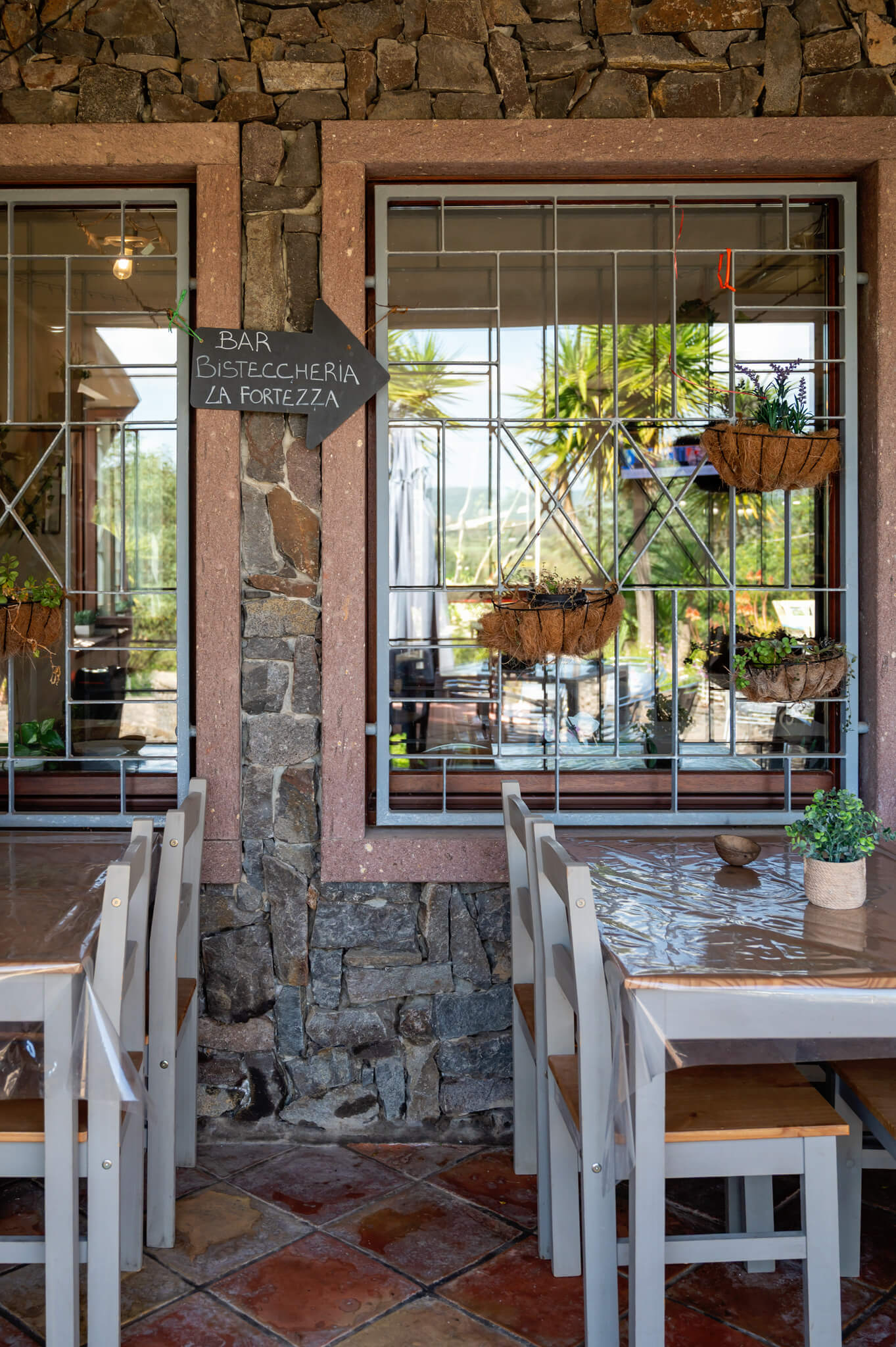
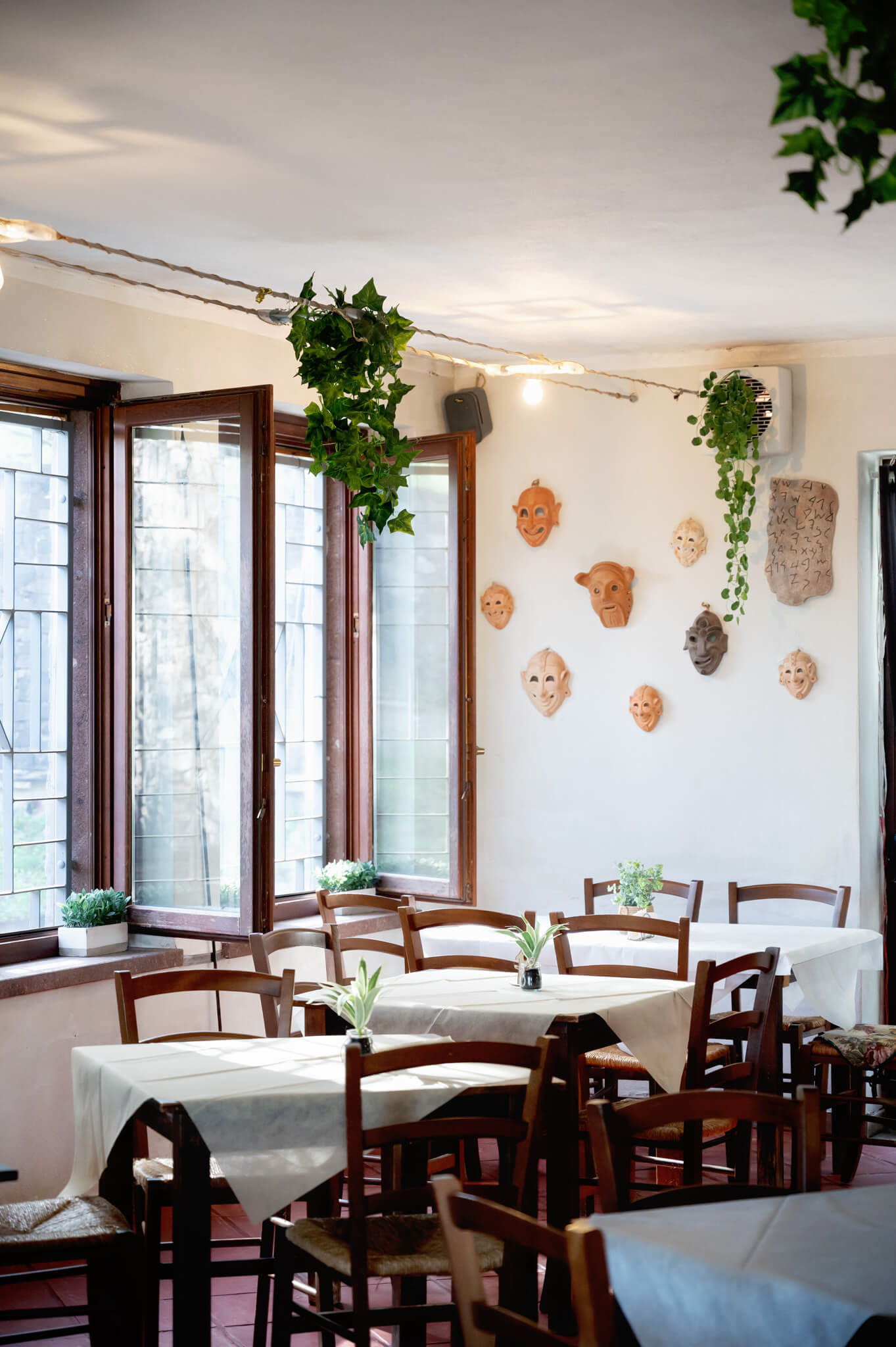
At the base of the hill, The Fortress café serves coffee, drinks, and snacks before or after your visit.
#9 Sa Marchesa Geo Speleo Archaeological Site and Acquacadda Cave
Located in Nuxis, the Sa Marchesa Geo Speleo Archaeological Site and Acquacadda Cave combine archaeology, geology, mining history, and active excavations all in one stop.
Inside the outbuildings of the former Sa Marchesa mine, visitors can explore a small museum showcasing objects used for speleological exploration. There are also exhibits highlighting the area’s geological and mining history. There is also a small geological park featuring regional rock samples.
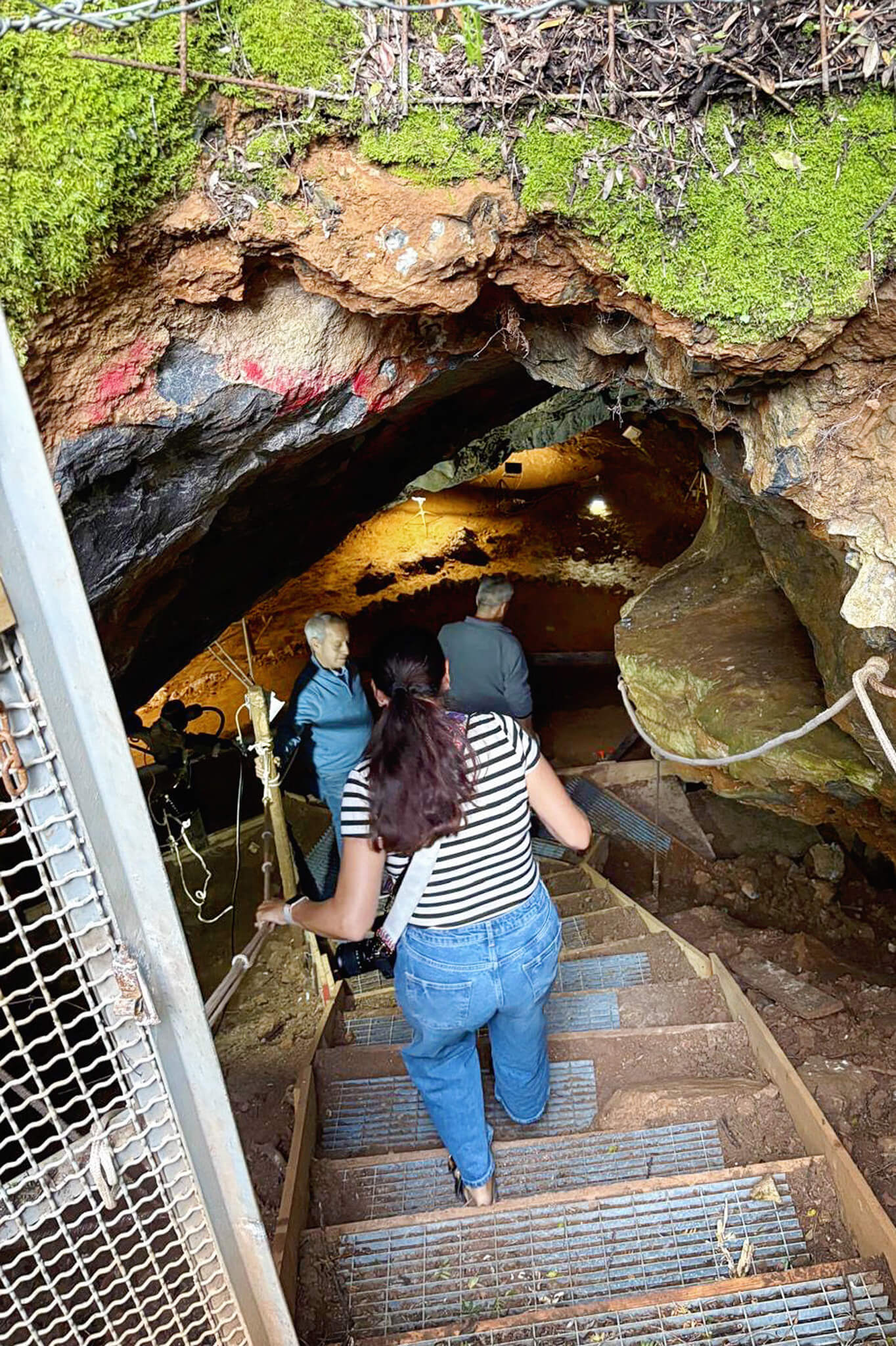
The nearby Acquacadda Cave has an incredibly long natural and archaeological history. The cave itself is believed to have formed nearly 520 million years ago and has been used by humans since at least the Copper Age. During ongoing excavations, archaeologists are still uncovering clay objects and pottery dating back to around 2500 BC.
We also learned that Sardinia once had more than 200 mines across the island, with some still active today, helping explain the region’s deep connection to mining and underground landscapes.
#10 Santa Barbara Mining Trail
The Santa Barbara Mining Trail (Cammino Minerario di Santa Barbara) is one of the most unique ways to experience the landscapes and history of Southwest Sardinia. Stretching roughly 500 kilometers through the Sulcis-Iglesiente region, this hiking and biking route connects old mining villages, abandoned industrial sites, rugged mountains, forests, and dramatic stretches of coastline.
What makes the trail especially fascinating is that ancient Phoenician-Punic and Roman communities originally used many of these paths to transport minerals across the region. Over the centuries, the routes became deeply connected to Sardinia’s mining culture and the lives of the miners who worked here.
Named after Saint Barbara, the patron saint of miners, the trail was created to help preserve the region’s mining heritage while promoting slower, more immersive travel experiences. Today, the multi-stage route allows walkers, hikers, and bikers to experience both the natural beauty and industrial history that shaped Southwest Sardinia for thousands of years.
#11 Porto Flavia and Lamarmora Washery
Perched along the dramatic coastline of Southwest Sardinia, Porto Flavia and the nearby Lamarmora Washery (and Nebida Mine) offer one of the most visually striking combinations of industrial archaeology and coastal scenery in the region.
Built into the cliffs overlooking the sea, Porto Flavia was once an innovative mining port that loaded minerals directly onto ships, helping transform mining operations across Sardinia. About 6 kilometers away, or roughly a 15-minute drive along the coast near Nebida, the massive remains of the Lamarmora Washery stand as another reminder of the area’s deep connection to mining history and industry.
This Sardinian landmark is famously shown in photos like these, but to get that iconic shot, you may want to take a coastal boat tour up to this area!
Even if you are not particularly interested in mining heritage, the scenery alone makes this area worth visiting. Towering cliffs, turquoise water, and abandoned industrial structures create a landscape that feels both rugged and unforgettable.
If you are interested in the mining history of this area, you may also want to visit the Asproni Museum of Mining Art and the Asporini Museum of Mineralogy, not far from the Temple of Antas mentioned earlier.
#12 Monte Sirai Archaeological Site and Nuraghe Sirai
Located on a panoramic plateau overlooking the surrounding countryside, the Monte Sirai Archaeological Site is considered one of the most important and best-preserved Phoenician and Punic settlements in Sardinia.
The archaeological park includes more than 40 sites spanning the Final Neolithic period through the Neo-Punic era and sits along the ancient Via Sulcitana, a historic route that once connected the mines to the sea. Visitors can explore the remains of settlement areas, necropolises, and a tophet while taking in the incredible views of the surrounding hills.
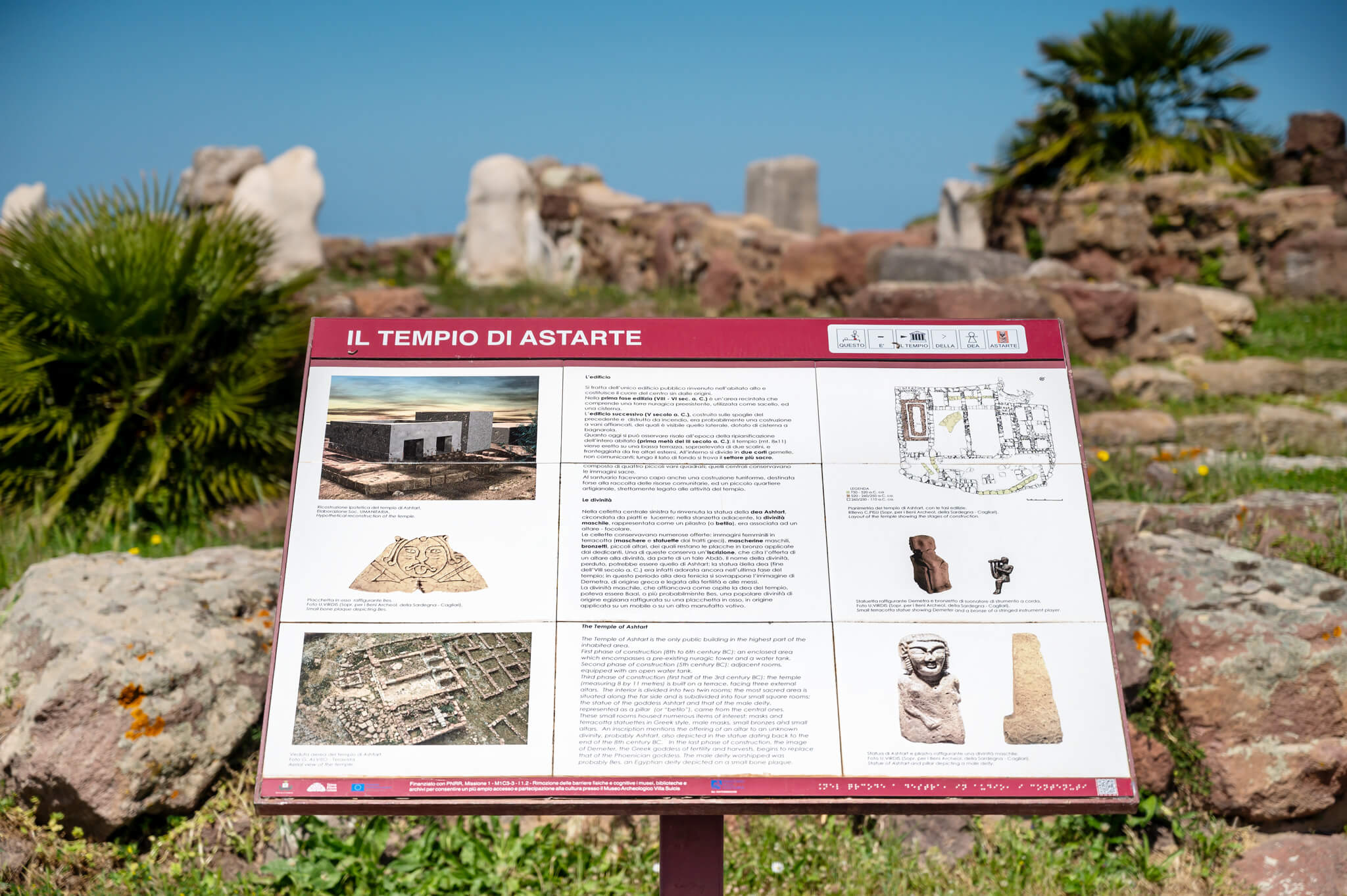
Nearby, Nuraghe Sirai adds another fascinating layer of history. This Sardinian-Phoenician fortress includes a Nuragic structure dating from roughly 1400–900 BC, along with later Phoenician fortifications built between 625–550 BC. Archaeologists consider it especially significant because it shows the overlap between the later Nuragic civilization and the height of the Phoenician period in Sardinia.
Today, visitors can still see the fortress walls, gates, sacred areas, and traces of ancient workshops used for activities such as glassmaking and leatherworking.
And if you are especially interested in the archaeological history of the Sulcis region, consider stopping at the Archaeological Museum of Villa Sulcis in Carbonia, where exhibits showcase the area’s history from the early Neolithic period through Roman times.
#13 Cannas di Sotto Archaeological Park
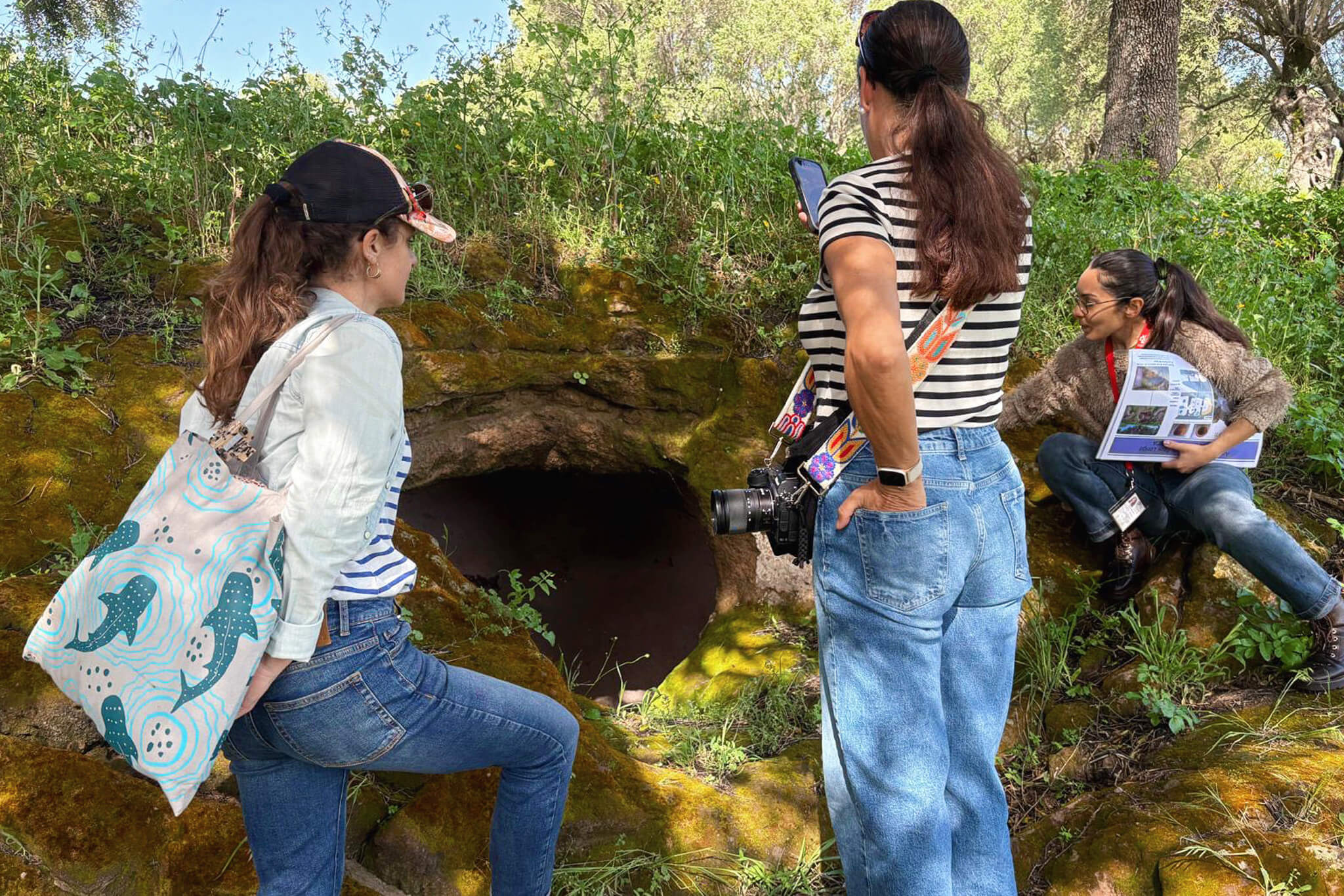
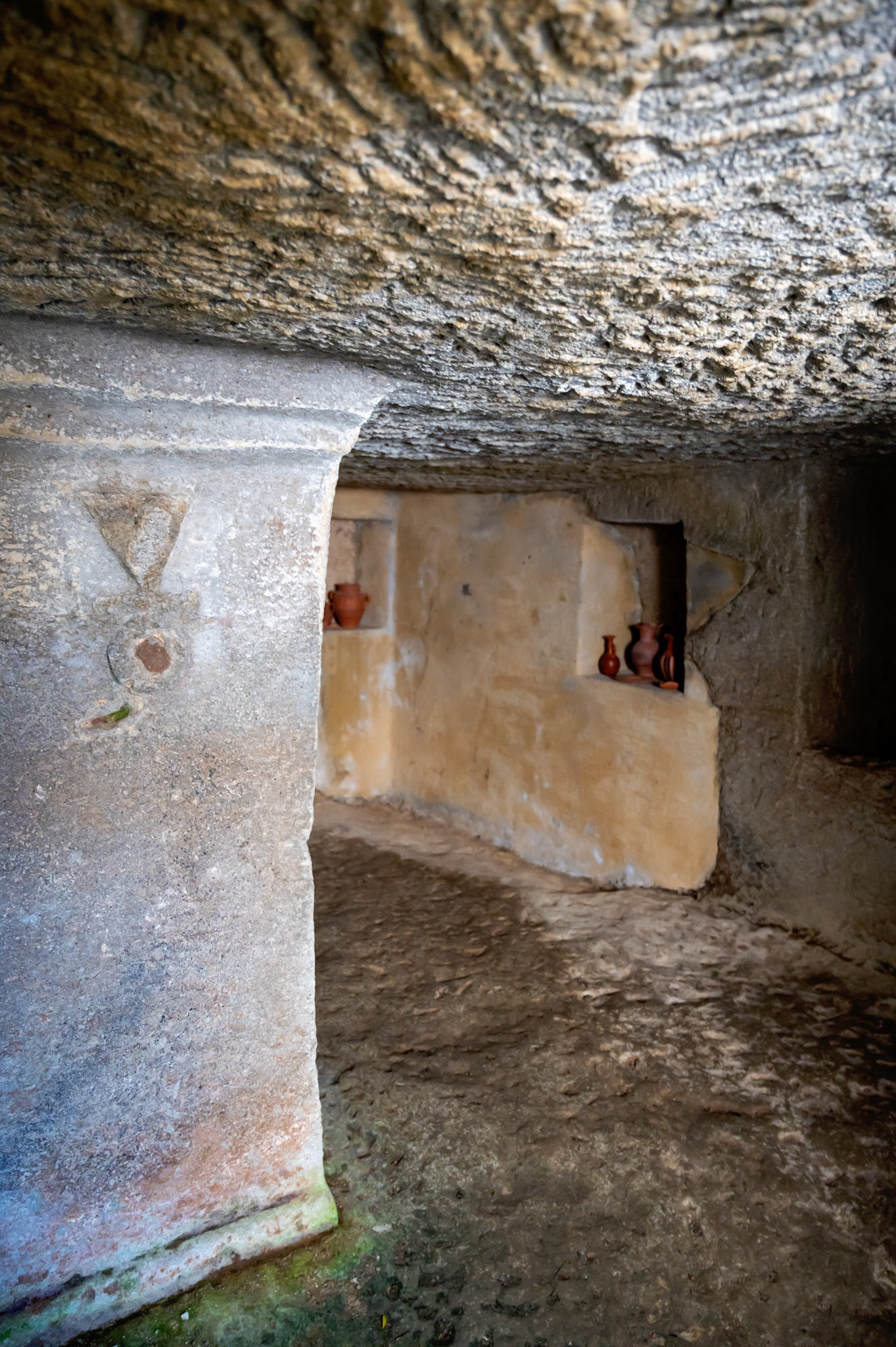
Located in Carbonia, the Cannas di Sotto Archaeological Park offers another fascinating glimpse into prehistoric Sardinia. This Neolithic necropolis dates back to roughly 4300 BC and features 26 underground tombs carved directly into the landscape.
The site features Domus de Janas, or “fairy houses,” ancient burial chambers. These offer insight into some of the island’s earliest civilizations and burial traditions.
Cannas di Sotto also pairs well with the nearby Villa Sulcis Museum, giving travelers a deeper understanding of Southwest Sardinia’s prehistoric archaeological sites.
#14 Nuraghe Seruci
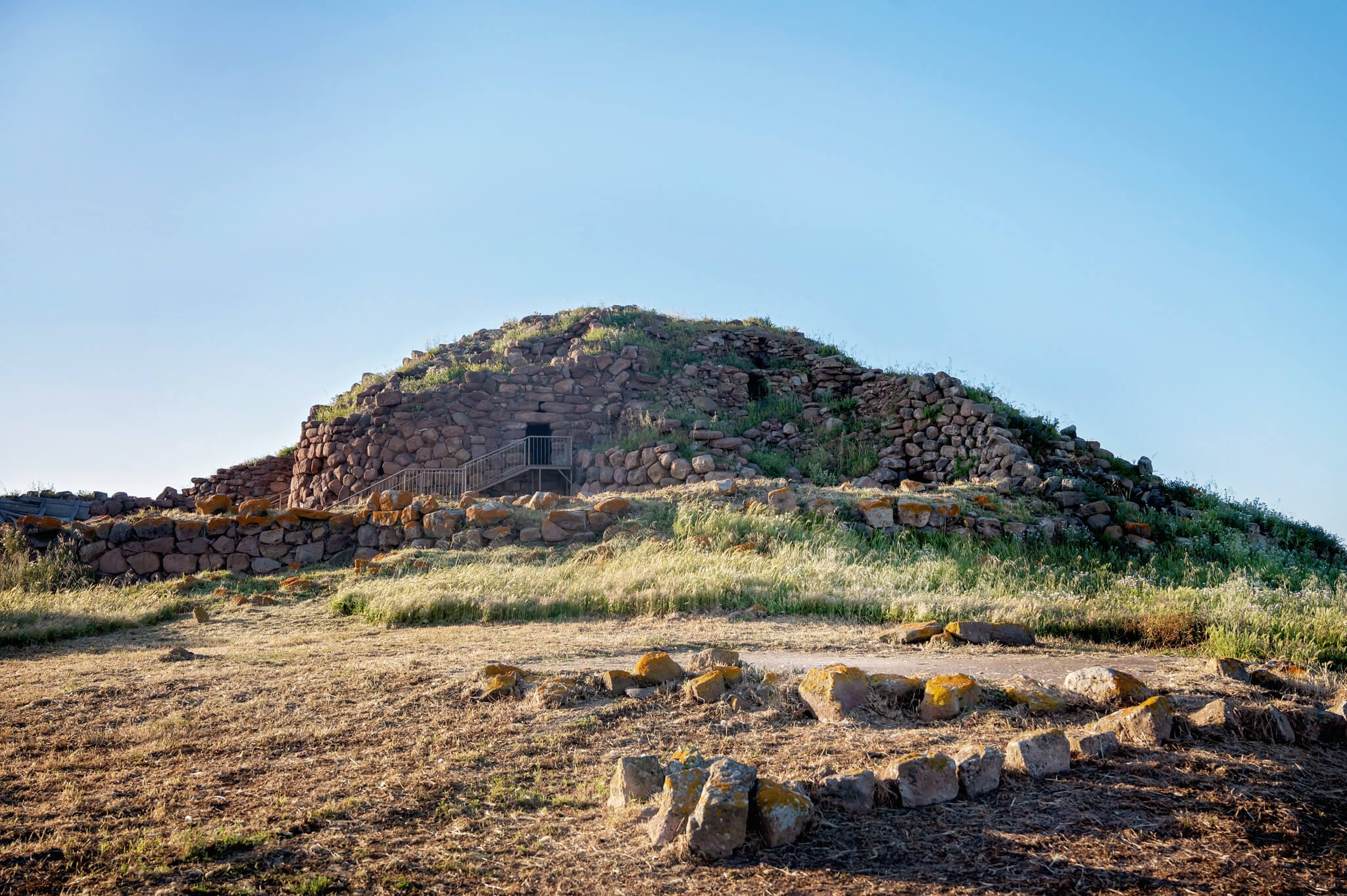
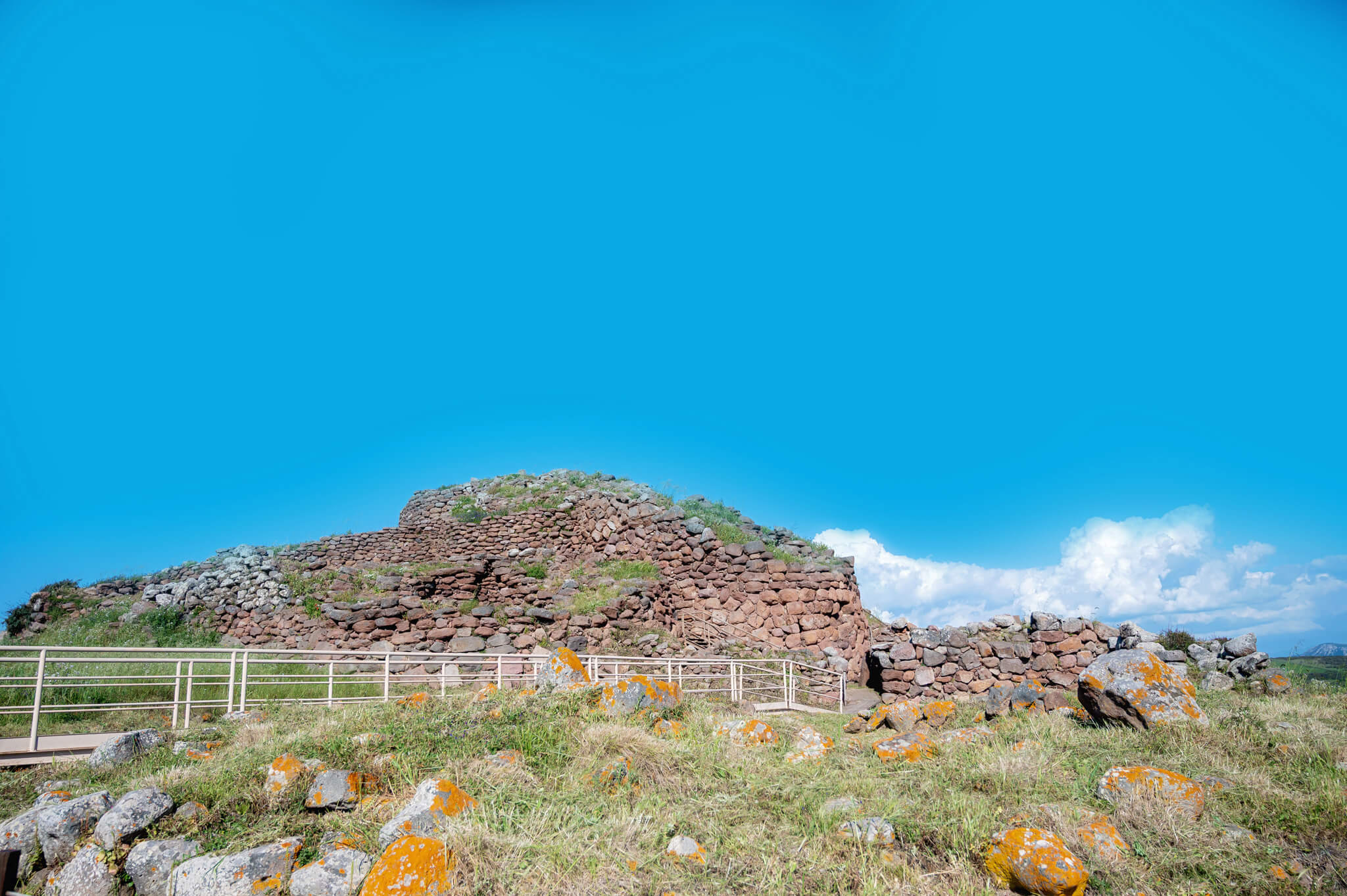
The Nuraghe Seruci complex is considered one of the most important Bronze Age archaeological sites in Sardinia and offers an incredible look into the island’s ancient Nuragic civilization.
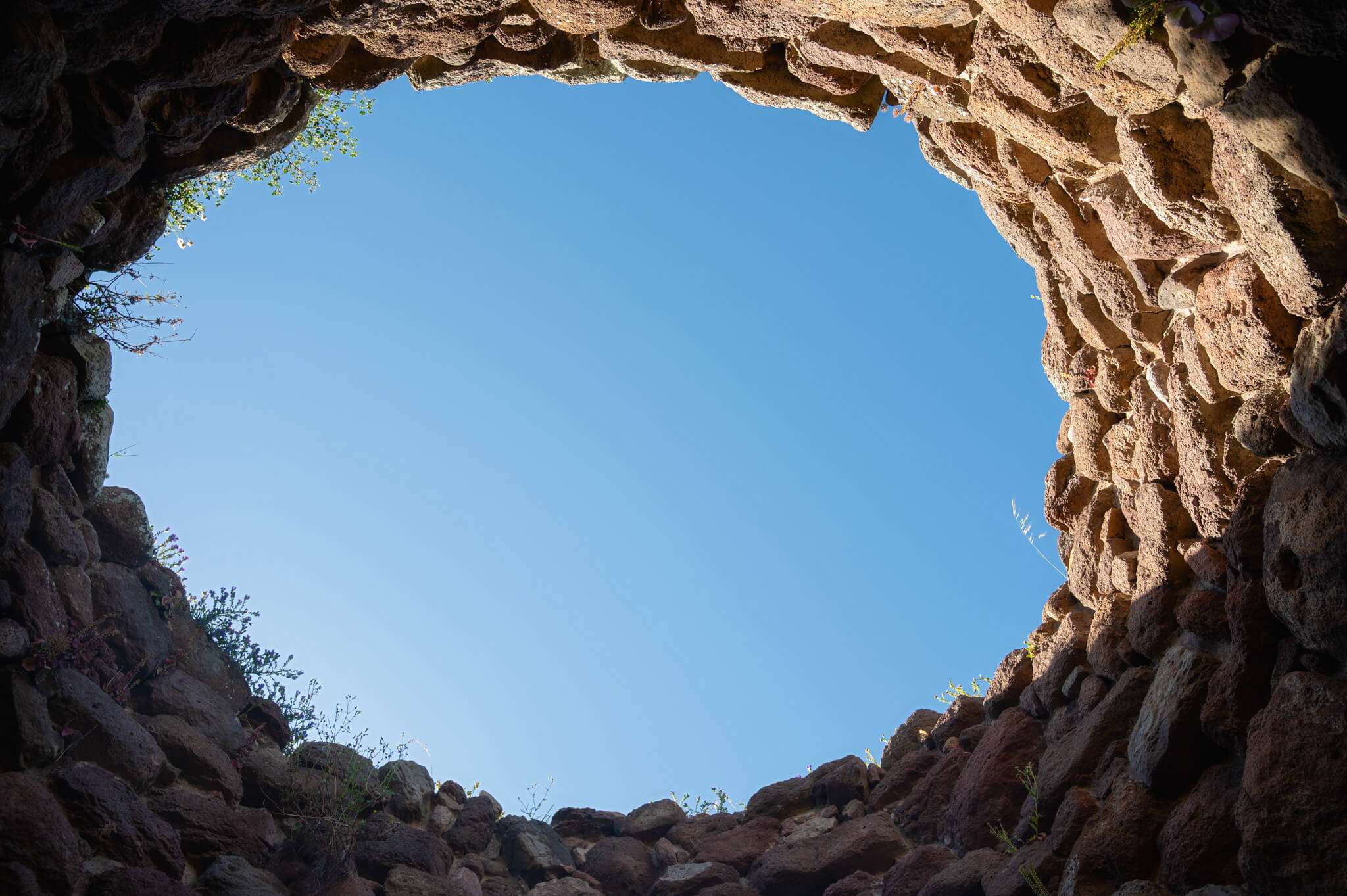
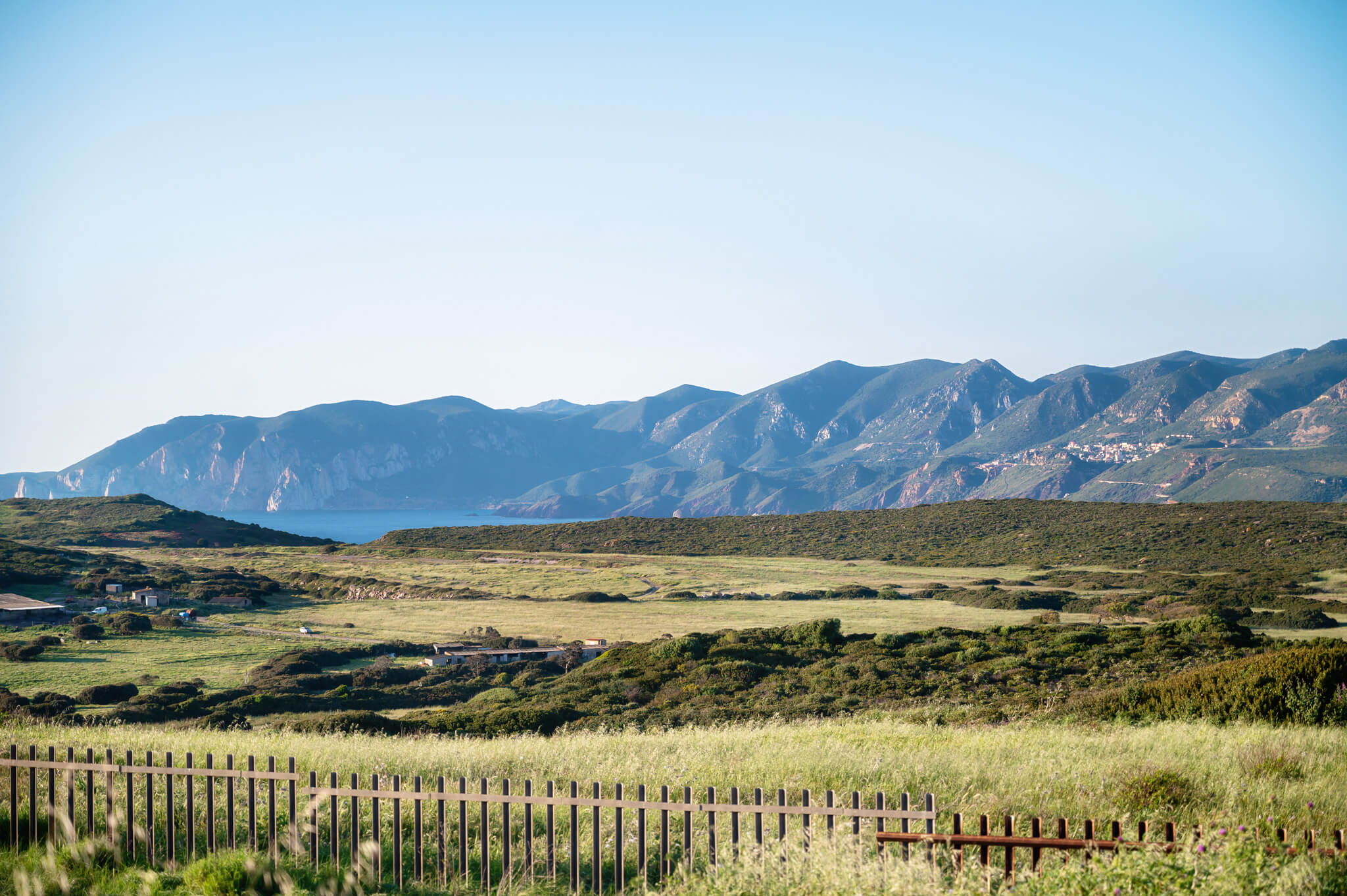
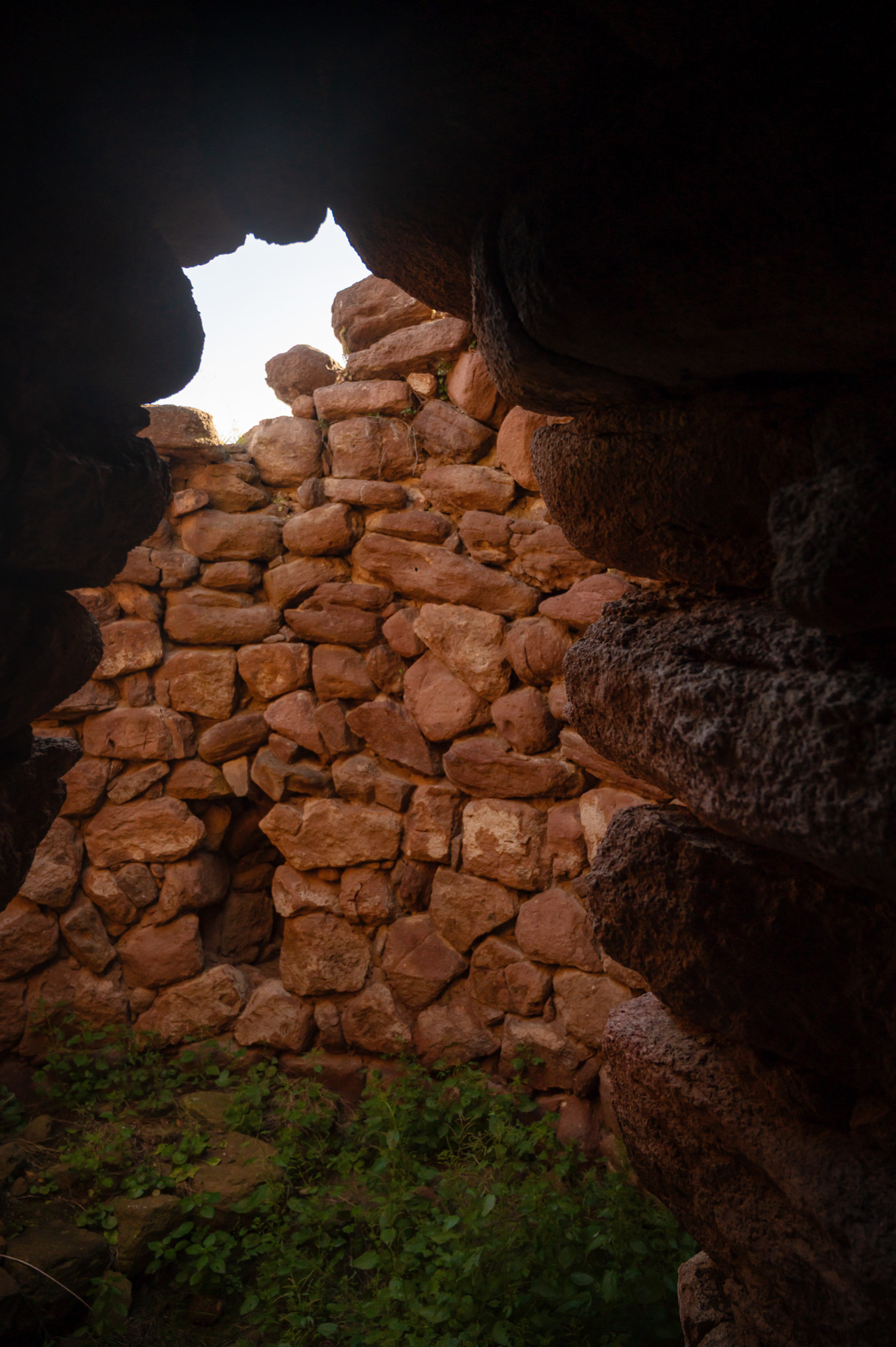
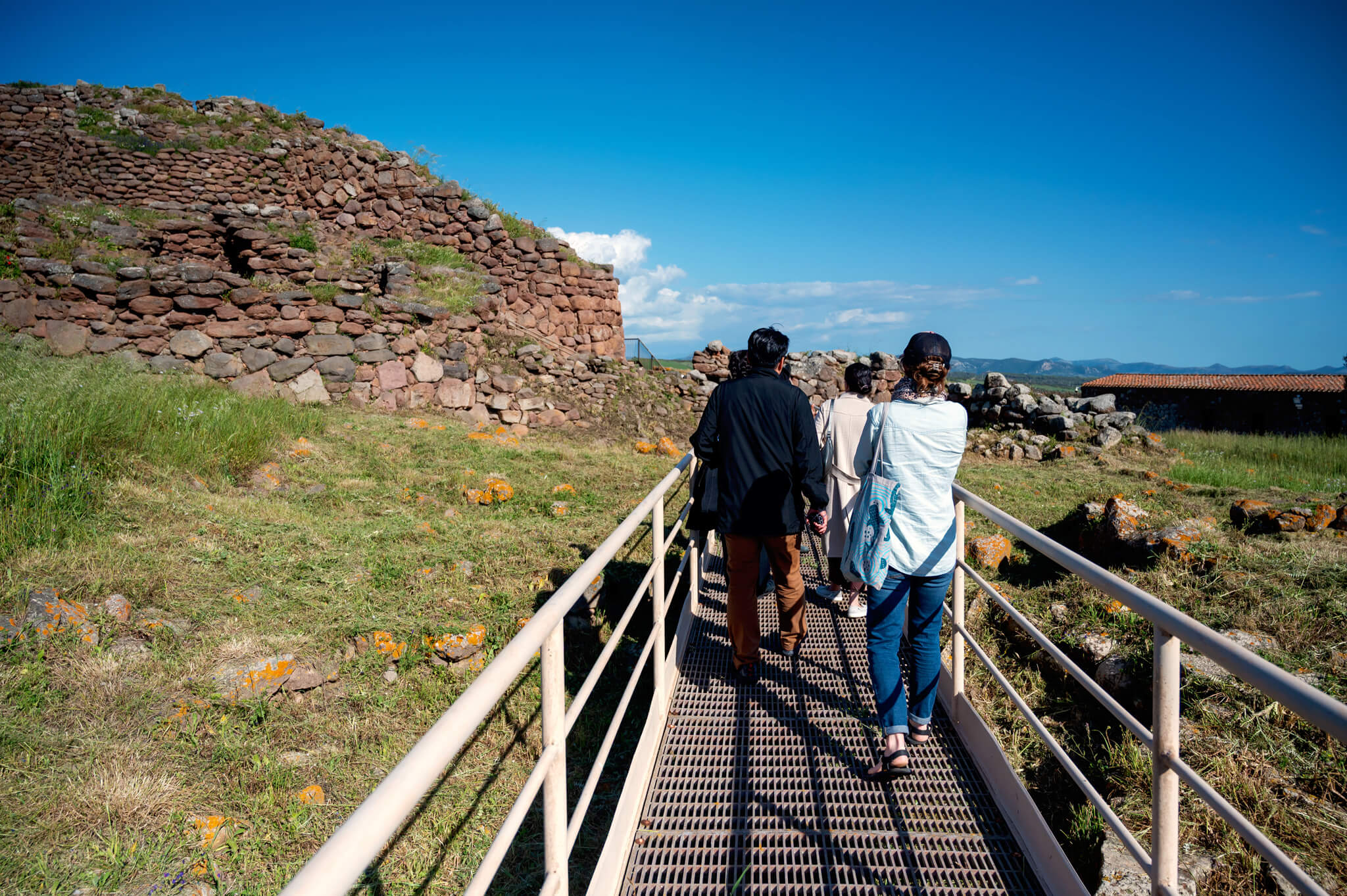
Spanning roughly six hectares, the archaeological area includes the remains of a large prehistoric village comprising nearly 200 huts, along with a massive multi-tower nuraghe, connected in a uniquely complex design. Excavations have shown that this was once a major prehistoric settlement and an important center of Nuragic life.
Walking through the stone structures and village remains really helps bring the scale of the ancient city to life. The surrounding landscape also adds to the experience, especially later in the day when the sunsets around Seruci become especially beautiful.
The Festival di Archeologia Sulcitana
One of the most interesting things happening in Southwest Sardinia right now is the new Festival di Archeologia Sulcitana, a regional initiative designed to help connect and share the broader archaeological story of the Sulcis-Iglesiente region.
The festival runs seasonally, roughly from December to April, and includes special guided tours, educational experiences, exhibitions, cultural events, and visits to lesser-known archaeological sites throughout Southwest Sardinia.
Rather than focusing on a single site, the festival brings together museums, archaeological parks, excavation sites, cultural organizations, and local communities to create a more unified experience for visitors interested in the region’s layered history.
That said, the archaeological sites themselves can still be visited year-round. The festival is essentially a period of celebration and special programming that helps showcase the region’s history in a more connected and immersive way.
Honestly, I think this is one of the best ways to experience Southwest Sardinia, as it helps tie all these sites together into a larger historical story rather than simply visiting isolated ruins.
You can learn more about the festival, participating sites, and upcoming events on the official Festival di Archeologia Sulcitana website.
What To Know Before Visiting These Archaeological Sites in Southwest Sardinia
Exploring the archaeological sites of Southwest Sardinia requires a little more planning than visiting some of Italy’s larger tourist destinations, but honestly, that is part of what makes this region feel so authentic and untouched.
With the exception of those located in the heart of Sant’Antioco, many of these sites are spread across the Sulcis-Iglesiente region of Sardinia.
Why You Should Rent a Car in Southwest Sardinia
A rental car is highly recommended for this area, especially if you plan to visit multiple archaeological sites spread throughout the Sulcis-Iglesiente region. Many of the ruins, caves, mining sites, and sacred landscapes are located in rural areas accessible only by smaller, winding roads, and driving times between sites can sometimes be longer than they appear on the map.
That said, Southwest Sardinia is still quite accessible. Cagliari is the closest major airport (get flight deals alerts here). It’s about a 75-minute drive to Sant’Antioco, making it the best starting point for a trip to this region. I stayed in Cagliari for one night at the end of my trip and highly recommend you spend some time there, too!
From Cagliari, travelers can rent a car or even combine portions of the trip with Sardinia’s train network, getting you as far as Carbonia.
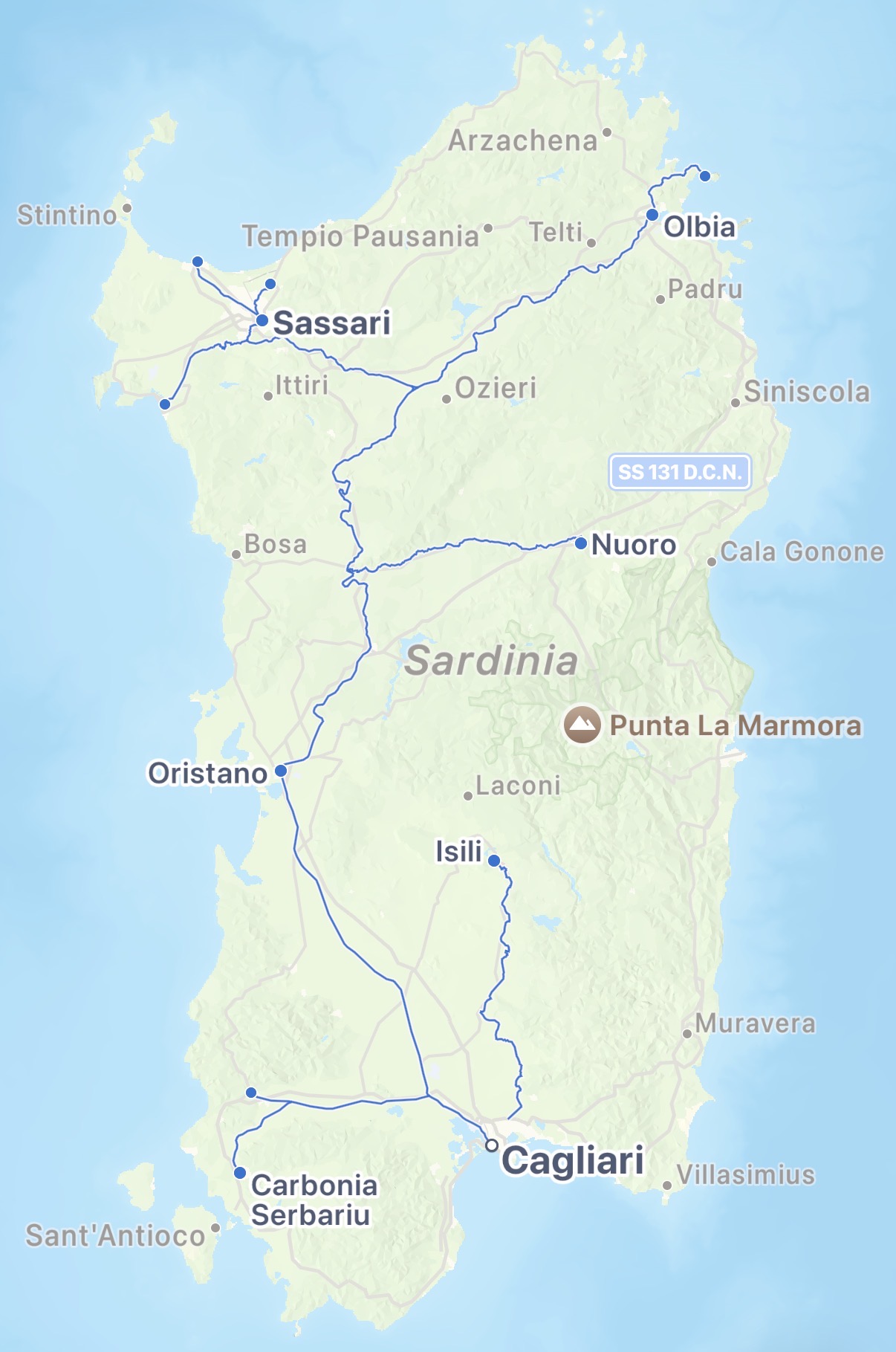
The map above shows all of Sardinia, with the train routes in blue. You can see the island of Sant’Antioco in the very Southwestern corner.
For reference, you can travel from Cagliari Airport to Olbia by train in roughly 3.5 hours, while driving from Sant’Antioco to Olbia also takes around 3.5 hours, depending on traffic and stops along the way.
Check rental car rates below:
Start Your Visit in Sant’Antioco
As I mentioned earlier, I would also strongly recommend starting your trip at the Museo Archeologico Ferruccio Barreca in Sant’Antioco before visiting the larger archaeological sites. Having that historical context makes the rest of the region much easier to understand and appreciate! Plus, Sant’Antioco is a charming coastal community worthy of exploring at your leisure.
Since many of these archaeological sites in Southwest Sardinia involve uneven terrain, dirt paths, caves, and archaeological landscapes, comfortable walking shoes are definitely recommended.
READ: Budget-Friendly Walking Shoes for Travel
Some locations also have limited visitor services, so it is smart to bring water and plan ahead before driving into the more remote parts of the region. I always recommend taking a screenshot of the map and directions in case you have limited service.
And honestly, I think Southwest Sardinia works best as an extension of a broader Sardinia itinerary. Pairing a few days here with time in Cagliari or a visit to Northern Sardinia allows you to experience a completely different side of the island that many travelers never see.
Choosing a Home Base in Southwest Sardinia
One of the nice things about exploring Southwest Sardinia is that there are several very different areas you can use as a home base, depending on the type of trip you want to have.
Sant’Antioco: Sant’Antioco was my personal home base during this trip, and I think it offers one of the best overall combinations of atmosphere, restaurants, waterfront views, wineries, archaeology, and island charm. The town feels authentic and lived-in while still being convenient for exploring the surrounding region.
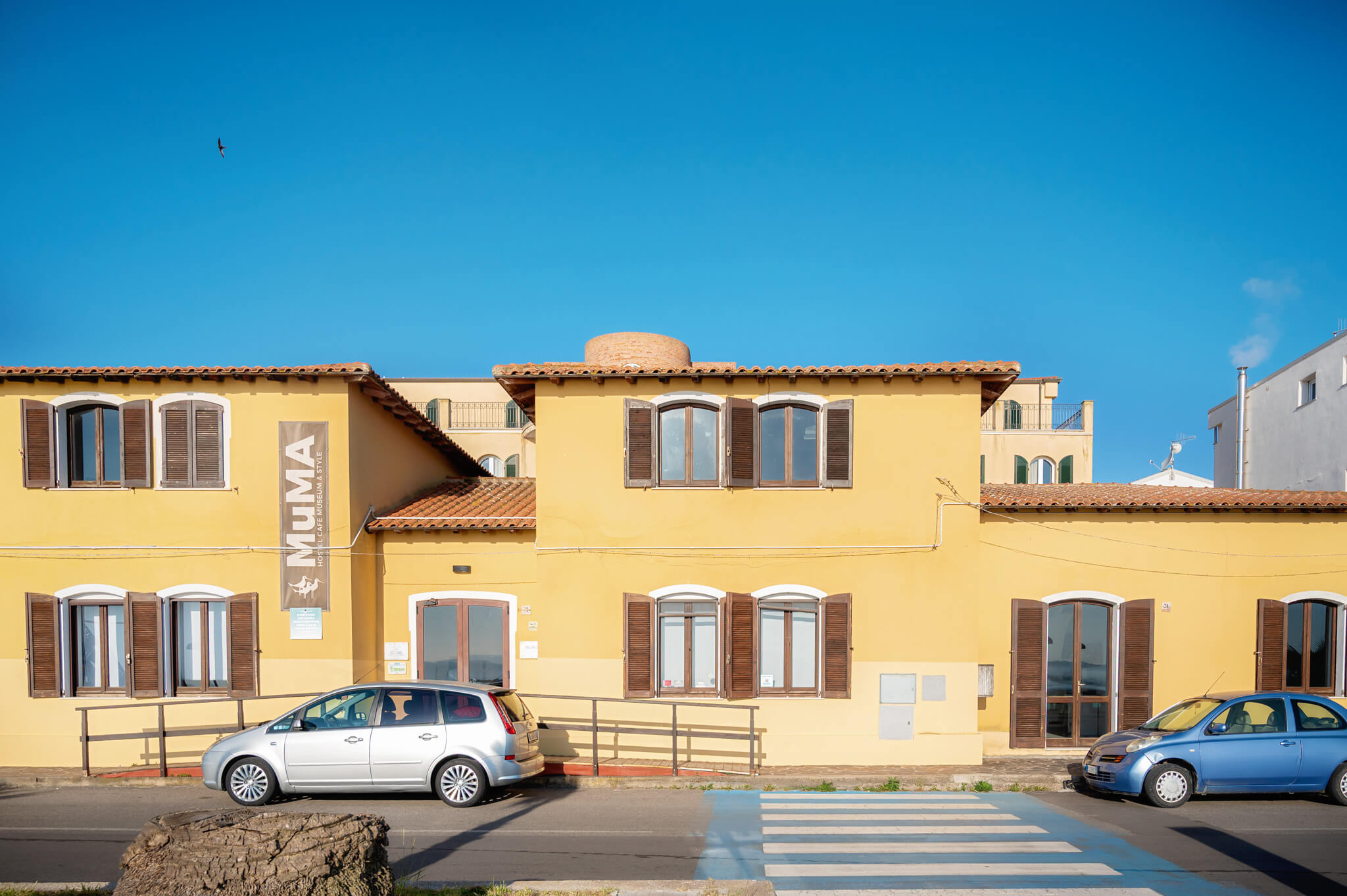
For this trip, we stayed at MuMA in Sant’Antioco, though there are also vacation rentals and seasonal accommodations available closer to the beaches.
READ: Top Things to Do on the Island of Sant’Antioco
Carbonia: Carbonia is probably the most practical and central base for travelers, with a focus on archaeology and mining history. It provides train access to Cagliari and Northern Sardinia, and easier access to many of the inland archaeological parks and historical sites throughout the Sulcis region, though it feels more industrial and less coastal than Sant’Antioco. The Lu Hotel in Carbonia is a great option.
Other popular home bases to consider include Carloforte (on the island of Sant’Antioco) and Porto Pino on the mainland, depending on whether you want more beach access, resort-style accommodations, or a quieter coastal atmosphere. There are a number of unique boutique-style accommodations spread across this area, especially along the coast!
Visiting the Ancient Ruins and Archaeological Sites in Southwest Sardinia
What makes the Sulcis region of Southwest Sardinia so special is how history, landscapes, and everyday life seem to blend together. From prehistoric tombs and Phoenician settlements to Roman temples, mining villages, rugged coastlines, and quiet island towns, this region offers a side of Italy that still feels deeply connected to its past.
And because it remains far less visited than many of Italy’s more famous destinations, exploring Southwest Sardinia still feels like discovering something many travelers have overlooked. It’s truly one of Italy’s most hidden gems!
If you’re also spending time on Sant’Antioco, don’t miss my guide to the best things to do in Sant’Antioco, Sardinia!
More Italy Travel Inspiration
If you love discovering lesser-known parts of Italy, exploring layered history, and finding destinations to add to your Italy bucket list, I have so many more Italian travel guides to help you plan your next trip.
From iconic cities and hidden islands to beautiful coastal towns and wine regions, Italy remains one of my favorite countries to explore.
Here are a few other Italy travel guides you may enjoy:
- My Italy Packing List
- Things to Do in Sant’Antioco
- Using the Venice Water Bus System
- Tips for Visiting the Colosseum
- Visiting the Pantheon in Rome
- Where to Stay in Cinque Terre
- Franciacorta Wine Region Guide
- Lake Iseo and Monte Isola
- Our Trip to Camogli, Italy
- Tips for International Travel
- Finding Flight Deals
- Europe Travel Essentials
More Historical Travel Inspiration
We also always seek out unique, historical, and culturally rich areas when we are traveling in Europe! So, I just wanted to share some of those posts that might interest you!
Here are more historical travel guides you may enjoy:
- Hagar Qim in Malta
- Ancient Agora of Athens
- Athens Archeological Museum
- Top Athens Historical Sites
- Ancient Roman Baths
- Cats in Ancient Ruins
- The Moorish Castle in Sintra
- Day Trip to Pena Palace
- Third Reich Walking Tour
And, you can always follow our travels on social media! We post pretty much everything on Instagram, and story highlights are a great way to revisit our past trips!
Pin These Must See Archaeological Sites in Southwest Sardinia for Later